No Shame at School Act of 2025
USA119th CongressHR-5655| House
| Updated: 9/30/2025
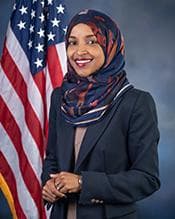
Ilhan Omar
Democratic Representative
Minnesota
Cosponsors (45)
Dwight Evans (Democratic)Stacey E. Plaskett (Democratic)Jonathan L. Jackson (Democratic)Robin L. Kelly (Democratic)Julie Johnson (Democratic)Robert Garcia (Democratic)Mark Pocan (Democratic)Sanford D. Bishop (Democratic)Frederica S. Wilson (Democratic)Troy A. Carter (Democratic)J. Luis Correa (Democratic)Melanie A. Stansbury (Democratic)Scott H. Peters (Democratic)Andrea Salinas (Democratic)Delia C. Ramirez (Democratic)Adriano Espaillat (Democratic)Danny K. Davis (Democratic)Ro Khanna (Democratic)Henry C. "Hank" Johnson (Democratic)Sheila Cherfilus-McCormick (Democratic)André Carson (Democratic)Mark DeSaulnier (Democratic)Jill N. Tokuda (Democratic)Mark Takano (Democratic)Sydney Kamlager-Dove (Democratic)Pramila Jayapal (Democratic)Eleanor Holmes Norton (Democratic)Bonnie Watson Coleman (Democratic)Lateefah Simon (Democratic)Janice D. Schakowsky (Democratic)James P. McGovern (Democratic)Alexandria Ocasio-Cortez (Democratic)Summer L. Lee (Democratic)Adam Smith (Democratic)Nydia M. Velázquez (Democratic)Julia Brownley (Democratic)Yvette D. Clarke (Democratic)Mike Thompson (Democratic)Nanette Diaz Barragán (Democratic)Kevin Mullin (Democratic)Gwen Moore (Democratic)Rashida Tlaib (Democratic)Ayanna Pressley (Democratic)Chellie Pingree (Democratic)Judy Chu (Democratic)
Education and Workforce Committee
- Introduced
- In Committee
- On Floor
- Passed Chamber
- Enacted
This bill amends the Richard B. Russell National School Lunch Act to address issues related to school meal eligibility and unpaid fees. It mandates that local educational agencies (LEAs) shall certify certain students for free or reduced-price meals, shifting from a discretionary to a mandatory process. This change aims to ensure more eligible students receive necessary meal support. The legislation also requires LEAs to provide retroactive reimbursement for meals served to students who are later approved for free or reduced-price meals, backdated to the first day of the school year. Crucially, it introduces comprehensive measures to reduce stigma associated with unpaid school meal fees. These provisions prohibit practices such as physically segregating children, overtly identifying them through special tokens or announcements, or withholding educational opportunities due to meal debt. Furthermore, the bill restricts how LEAs can collect unpaid meal fees, explicitly forbidding the use of debt collectors and directing communications about debt to the child, except for sealed letters to parents. If a household owes a week or more of fees, the LEA must attempt direct certification for free meals or provide application materials. It also prohibits school staff from disposing of or taking away food that has already been served to a child, regardless of their payment status.
View Full TextSuggested Questions
Get AI-generated questions to help you understand this bill better
Timeline
Introduced in House
Referred to the House Committee on Education and Workforce.
Agriculture and Food
No Shame at School Act of 2025
USA119th CongressHR-5655| House
| Updated: 9/30/2025
This bill amends the Richard B. Russell National School Lunch Act to address issues related to school meal eligibility and unpaid fees. It mandates that local educational agencies (LEAs) shall certify certain students for free or reduced-price meals, shifting from a discretionary to a mandatory process. This change aims to ensure more eligible students receive necessary meal support. The legislation also requires LEAs to provide retroactive reimbursement for meals served to students who are later approved for free or reduced-price meals, backdated to the first day of the school year. Crucially, it introduces comprehensive measures to reduce stigma associated with unpaid school meal fees. These provisions prohibit practices such as physically segregating children, overtly identifying them through special tokens or announcements, or withholding educational opportunities due to meal debt. Furthermore, the bill restricts how LEAs can collect unpaid meal fees, explicitly forbidding the use of debt collectors and directing communications about debt to the child, except for sealed letters to parents. If a household owes a week or more of fees, the LEA must attempt direct certification for free meals or provide application materials. It also prohibits school staff from disposing of or taking away food that has already been served to a child, regardless of their payment status.
View Full TextSuggested Questions
Get AI-generated questions to help you understand this bill better
Timeline
Introduced in House
Referred to the House Committee on Education and Workforce.
Ilhan Omar
Democratic Representative
Minnesota
Cosponsors (45)
Dwight Evans (Democratic)Stacey E. Plaskett (Democratic)Jonathan L. Jackson (Democratic)Robin L. Kelly (Democratic)Julie Johnson (Democratic)Robert Garcia (Democratic)Mark Pocan (Democratic)Sanford D. Bishop (Democratic)Frederica S. Wilson (Democratic)Troy A. Carter (Democratic)J. Luis Correa (Democratic)Melanie A. Stansbury (Democratic)Scott H. Peters (Democratic)Andrea Salinas (Democratic)Delia C. Ramirez (Democratic)Adriano Espaillat (Democratic)Danny K. Davis (Democratic)Ro Khanna (Democratic)Henry C. "Hank" Johnson (Democratic)Sheila Cherfilus-McCormick (Democratic)André Carson (Democratic)Mark DeSaulnier (Democratic)Jill N. Tokuda (Democratic)Mark Takano (Democratic)Sydney Kamlager-Dove (Democratic)Pramila Jayapal (Democratic)Eleanor Holmes Norton (Democratic)Bonnie Watson Coleman (Democratic)Lateefah Simon (Democratic)Janice D. Schakowsky (Democratic)James P. McGovern (Democratic)Alexandria Ocasio-Cortez (Democratic)Summer L. Lee (Democratic)Adam Smith (Democratic)Nydia M. Velázquez (Democratic)Julia Brownley (Democratic)Yvette D. Clarke (Democratic)Mike Thompson (Democratic)Nanette Diaz Barragán (Democratic)Kevin Mullin (Democratic)Gwen Moore (Democratic)Rashida Tlaib (Democratic)Ayanna Pressley (Democratic)Chellie Pingree (Democratic)Judy Chu (Democratic)
Education and Workforce Committee
Agriculture and Food
- Introduced
- In Committee
- On Floor
- Passed Chamber
- Enacted