DRIVE-SAFE Act
USA119th CongressHR-5563| House
| Updated: 12/1/2025
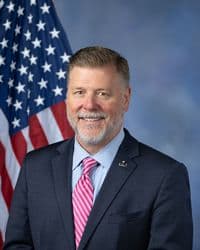
Eric A. "Rick" Crawford
Republican Representative
Arkansas
Cosponsors (31)
Barry Moore (Republican)Jared F. Golden (Democratic)Ashley Hinson (Republican)Brett Guthrie (Republican)Marie Gluesenkamp Perez (Democratic)Andy Harris (Republican)Steve Womack (Republican)David J. Taylor (Republican)Darin LaHood (Republican)Mike Ezell (Republican)Beth Van Duyne (Republican)William R. Timmons (Republican)Angie Craig (Democratic)Vicente Gonzalez (Democratic)Barry Loudermilk (Republican)Brian J. Mast (Republican)Ron Estes (Republican)Bruce Westerman (Republican)Scott Fitzgerald (Republican)Henry Cuellar (Democratic)Byron Donalds (Republican)Pat Harrigan (Republican)Salud O. Carbajal (Democratic)Mike Bost (Republican)Randy Feenstra (Republican)Robert E. Latta (Republican)Tom Barrett (Republican)Harold Rogers (Republican)Tracey Mann (Republican)Troy Balderson (Republican)Michael Guest (Republican)
Transportation and Infrastructure Committee, Highways and Transit Subcommittee
- Introduced
- In Committee
- On Floor
- Passed Chamber
- Enacted
The "DRIVE-SAFE Act" establishes a structured apprenticeship program for commercial drivers under the age of 21, enabling them to operate commercial motor vehicles in interstate commerce. This program aims to provide young drivers with supervised experience and training, addressing potential workforce shortages in the trucking industry by defining an apprentice as an employee under 21 holding a commercial driver's license. The apprenticeship consists of two probationary periods: a 120-hour phase (at least 80 driving hours) focusing on foundational skills like interstate and evening driving, and a subsequent 280-hour phase (at least 160 driving hours) emphasizing advanced skills such as backing, pre-trip inspections, and load management. During both periods, apprentices must operate vehicles equipped with automatic transmissions , active braking collision mitigation systems , and forward-facing video event capture . Crucially, apprentices must be accompanied by an experienced driver who is at least 26 years old, has held a CDL for two years, and possesses a clean driving record with two years of interstate commercial driving experience. Employers are responsible for maintaining competency records, providing remediation for incidents, and ensuring compliance. Upon completing the 280-hour period, the apprentice finishes the program, though the bill does not exempt them from CDL requirements. The Secretary of Transportation is directed to issue implementing regulations within one year of enactment. Employers are prohibited from allowing drivers under 21 to operate in interstate commerce unless they are participating in or have completed this specific apprenticeship program.
View Full TextSuggested Questions
Get AI-generated questions to help you understand this bill better
Timeline
Introduced in House
Referred to the House Committee on Transportation and Infrastructure.
Referred to the Subcommittee on Highways and Transit.
Labor and Employment
DRIVE-SAFE Act
USA119th CongressHR-5563| House
| Updated: 12/1/2025
The "DRIVE-SAFE Act" establishes a structured apprenticeship program for commercial drivers under the age of 21, enabling them to operate commercial motor vehicles in interstate commerce. This program aims to provide young drivers with supervised experience and training, addressing potential workforce shortages in the trucking industry by defining an apprentice as an employee under 21 holding a commercial driver's license. The apprenticeship consists of two probationary periods: a 120-hour phase (at least 80 driving hours) focusing on foundational skills like interstate and evening driving, and a subsequent 280-hour phase (at least 160 driving hours) emphasizing advanced skills such as backing, pre-trip inspections, and load management. During both periods, apprentices must operate vehicles equipped with automatic transmissions , active braking collision mitigation systems , and forward-facing video event capture . Crucially, apprentices must be accompanied by an experienced driver who is at least 26 years old, has held a CDL for two years, and possesses a clean driving record with two years of interstate commercial driving experience. Employers are responsible for maintaining competency records, providing remediation for incidents, and ensuring compliance. Upon completing the 280-hour period, the apprentice finishes the program, though the bill does not exempt them from CDL requirements. The Secretary of Transportation is directed to issue implementing regulations within one year of enactment. Employers are prohibited from allowing drivers under 21 to operate in interstate commerce unless they are participating in or have completed this specific apprenticeship program.
View Full TextSuggested Questions
Get AI-generated questions to help you understand this bill better
Timeline
Introduced in House
Referred to the House Committee on Transportation and Infrastructure.
Referred to the Subcommittee on Highways and Transit.
Eric A. "Rick" Crawford
Republican Representative
Arkansas
Cosponsors (31)
Barry Moore (Republican)Jared F. Golden (Democratic)Ashley Hinson (Republican)Brett Guthrie (Republican)Marie Gluesenkamp Perez (Democratic)Andy Harris (Republican)Steve Womack (Republican)David J. Taylor (Republican)Darin LaHood (Republican)Mike Ezell (Republican)Beth Van Duyne (Republican)William R. Timmons (Republican)Angie Craig (Democratic)Vicente Gonzalez (Democratic)Barry Loudermilk (Republican)Brian J. Mast (Republican)Ron Estes (Republican)Bruce Westerman (Republican)Scott Fitzgerald (Republican)Henry Cuellar (Democratic)Byron Donalds (Republican)Pat Harrigan (Republican)Salud O. Carbajal (Democratic)Mike Bost (Republican)Randy Feenstra (Republican)Robert E. Latta (Republican)Tom Barrett (Republican)Harold Rogers (Republican)Tracey Mann (Republican)Troy Balderson (Republican)Michael Guest (Republican)
Transportation and Infrastructure Committee, Highways and Transit Subcommittee
Labor and Employment
- Introduced
- In Committee
- On Floor
- Passed Chamber
- Enacted