Doug LaMalfa Federal Disaster Tax Relief Certainty Act
USA119th CongressHR-5366| House
| Updated: 9/11/2026
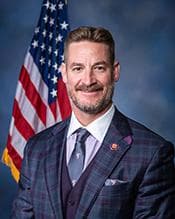
W. Gregory Steube
Republican Representative
Florida
Cosponsors (14)
Doug LaMalfa (Republican)Eugene Simon Vindman (Democratic)Jimmy Panetta (Democratic)Dave Min (Democratic)Gus M. Bilirakis (Republican)Mario Diaz-Balart (Republican)Joe Wilson (Republican)Jill N. Tokuda (Democratic)Byron Donalds (Republican)Joe Neguse (Democratic)Mike Thompson (Democratic)Jason Crow (Democratic)Gwen Moore (Democratic)Jack Bergman (Republican)
Ways and Means Committee, Finance Committee
- Introduced
- In Committee
- On Floor
- Passed Chamber
- Enacted
This legislation aims to provide significant tax relief for individuals affected by major disasters and wildfires. It codifies and extends existing temporary tax provisions, making them permanent or extending their applicability for future events. Specifically, the bill amends the Internal Revenue Code to establish new rules for personal casualty losses arising from major disasters. For losses incurred in a qualified disaster area (declared by the President with an incident period between July 2025 and January 2027), individuals can claim a special "disaster loss deduction." This deduction is allowed in addition to the standard deduction and is explicitly excluded from calculations for the alternative minimum tax, providing greater financial relief for affected taxpayers. Furthermore, the bill addresses compensation received for losses or damages resulting from certain wildfires. It creates a new exclusion from gross income for qualified wildfire relief payments . These payments cover various losses, including living expenses, lost wages not from an employer, personal injury, or emotional distress, provided they are not compensated by insurance or other means and stem from a federally declared wildfire disaster after December 31, 2014. This exclusion applies to payments received between 2026 and 2030, with provisions to prevent double benefits.
Suggested Questions
Get AI-generated questions to help you understand this bill better
Timeline
Introduced in House
Referred to the House Committee on Ways and Means.
Ordered to be Reported by the Yeas and Nays: 43 - 0.
Ordered to be Reported in the Nature of a Substitute by the Yeas and Nays: 43 - 0.
Committee Consideration and Mark-up Session Held
Placed on the Union Calendar, Calendar No. 525.
Reported (Amended) by the Committee on Ways and Means. H. Rept. 119-605.
Mr. Smith (MO) moved to suspend the rules and pass the bill, as amended.
Considered under suspension of the rules.
Considered under suspension of the rules. (consideration: CR H3107-3110)
DEBATE - The House proceeded with forty minutes of debate on H.R. 5366.
Passed/agreed to in House: On motion to suspend the rules and pass the bill, as amended Agreed to by voice vote. (text: CR H3107-3108)
Passed/agreed to in House: On motion to suspend the rules and pass the bill, as amended Agreed to by voice vote.
On motion to suspend the rules and pass the bill, as amended Agreed to by voice vote.
On motion to suspend the rules and pass the bill, as amended Agreed to by voice vote. (text: CR H3107-3108)
Motion to reconsider laid on the table Agreed to without objection.
Received in the Senate and Read twice and referred to the Committee on Finance.
Passed/agreed to in Senate: Passed Senate without amendment by Unanimous Consent.
Passed Senate without amendment by Unanimous Consent. (consideration: CR S4547)
Passed Senate without amendment by Unanimous Consent.
Senate Committee on Finance discharged by Unanimous Consent.
Message on Senate action sent to the House.
Presented to President.
Signed by President.
Taxation
Disaster relief and insuranceFiresForests, forestry, treesIncome tax deductionsNatural disasters
Doug LaMalfa Federal Disaster Tax Relief Certainty Act
USA119th CongressHR-5366| House
| Updated: 9/11/2026
This legislation aims to provide significant tax relief for individuals affected by major disasters and wildfires. It codifies and extends existing temporary tax provisions, making them permanent or extending their applicability for future events. Specifically, the bill amends the Internal Revenue Code to establish new rules for personal casualty losses arising from major disasters. For losses incurred in a qualified disaster area (declared by the President with an incident period between July 2025 and January 2027), individuals can claim a special "disaster loss deduction." This deduction is allowed in addition to the standard deduction and is explicitly excluded from calculations for the alternative minimum tax, providing greater financial relief for affected taxpayers. Furthermore, the bill addresses compensation received for losses or damages resulting from certain wildfires. It creates a new exclusion from gross income for qualified wildfire relief payments . These payments cover various losses, including living expenses, lost wages not from an employer, personal injury, or emotional distress, provided they are not compensated by insurance or other means and stem from a federally declared wildfire disaster after December 31, 2014. This exclusion applies to payments received between 2026 and 2030, with provisions to prevent double benefits.
Suggested Questions
Get AI-generated questions to help you understand this bill better
Timeline
Introduced in House
Referred to the House Committee on Ways and Means.
Ordered to be Reported by the Yeas and Nays: 43 - 0.
Ordered to be Reported in the Nature of a Substitute by the Yeas and Nays: 43 - 0.
Committee Consideration and Mark-up Session Held
Placed on the Union Calendar, Calendar No. 525.
Reported (Amended) by the Committee on Ways and Means. H. Rept. 119-605.
Mr. Smith (MO) moved to suspend the rules and pass the bill, as amended.
Considered under suspension of the rules.
Considered under suspension of the rules. (consideration: CR H3107-3110)
DEBATE - The House proceeded with forty minutes of debate on H.R. 5366.
Passed/agreed to in House: On motion to suspend the rules and pass the bill, as amended Agreed to by voice vote. (text: CR H3107-3108)
Passed/agreed to in House: On motion to suspend the rules and pass the bill, as amended Agreed to by voice vote.
On motion to suspend the rules and pass the bill, as amended Agreed to by voice vote.
On motion to suspend the rules and pass the bill, as amended Agreed to by voice vote. (text: CR H3107-3108)
Motion to reconsider laid on the table Agreed to without objection.
Received in the Senate and Read twice and referred to the Committee on Finance.
Passed/agreed to in Senate: Passed Senate without amendment by Unanimous Consent.
Passed Senate without amendment by Unanimous Consent. (consideration: CR S4547)
Passed Senate without amendment by Unanimous Consent.
Senate Committee on Finance discharged by Unanimous Consent.
Message on Senate action sent to the House.
Presented to President.
Signed by President.
W. Gregory Steube
Republican Representative
Florida
Cosponsors (14)
Doug LaMalfa (Republican)Eugene Simon Vindman (Democratic)Jimmy Panetta (Democratic)Dave Min (Democratic)Gus M. Bilirakis (Republican)Mario Diaz-Balart (Republican)Joe Wilson (Republican)Jill N. Tokuda (Democratic)Byron Donalds (Republican)Joe Neguse (Democratic)Mike Thompson (Democratic)Jason Crow (Democratic)Gwen Moore (Democratic)Jack Bergman (Republican)
Ways and Means Committee, Finance Committee
Taxation
Related Bills
- Introduced
- In Committee
- On Floor
- Passed Chamber
- Enacted
Disaster relief and insuranceFiresForests, forestry, treesIncome tax deductionsNatural disasters