Ian Kalvinskas Pediatric Liver Cancer Early Detection and Screening Act
USA119th CongressHR-5355| House
| Updated: 9/18/2025
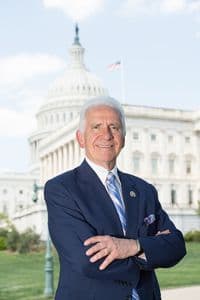
Jim Costa
Democratic Representative
California
Cosponsors (13)
Beth Van Duyne (Republican)Debbie Dingell (Democratic)Donald G. Davis (Democratic)Don Bacon (Republican)Eleanor Holmes Norton (Democratic)Yvette D. Clarke (Democratic)Bill Huizenga (Republican)Josh Gottheimer (Democratic)Michael Lawler (Republican)Robert P. Bresnahan (Republican)Rashida Tlaib (Democratic)Ryan Mackenzie (Republican)Debbie Wasserman Schultz (Democratic)
Energy and Commerce Committee
- Introduced
- In Committee
- On Floor
- Passed Chamber
- Enacted
This legislation directs the Secretary of Health and Human Services (HHS) to establish a public education program aimed at improving awareness of pediatric liver diseases. This program, implemented through the Health Resources and Services Administration in consultation with the CDC, will develop and disseminate plain-language materials. These materials will educate the public on the early signs of pediatric liver disease and the option and safety of living liver donation , leveraging existing HHS public-education initiatives. The bill also mandates a comprehensive study by the Government Accountability Office (GAO). This study will investigate federally funded initiatives for the early detection and treatment of pediatric liver tumors, including healthcare provider education and research into therapeutic strategies. It will also examine trends in pediatric liver-transplant wait-list mortality, analyzing data by geography, race, insurance status, diagnosis, and illness severity. Furthermore, the GAO study will assess the cost-effectiveness of adding direct-bilirubin screening for biliary atresia and other cholestatic liver diseases to State newborn screening panels. The Comptroller General is required to submit a report on the study's findings to Congress within one year, and a subsequent report on the public education program's results three years after its initiation.
View Full TextSuggested Questions
Get AI-generated questions to help you understand this bill better
Timeline
Introduced in House
Referred to the House Committee on Energy and Commerce.
Sponsor introductory remarks on measure. (CR H4418)
Health
Ian Kalvinskas Pediatric Liver Cancer Early Detection and Screening Act
USA119th CongressHR-5355| House
| Updated: 9/18/2025
This legislation directs the Secretary of Health and Human Services (HHS) to establish a public education program aimed at improving awareness of pediatric liver diseases. This program, implemented through the Health Resources and Services Administration in consultation with the CDC, will develop and disseminate plain-language materials. These materials will educate the public on the early signs of pediatric liver disease and the option and safety of living liver donation , leveraging existing HHS public-education initiatives. The bill also mandates a comprehensive study by the Government Accountability Office (GAO). This study will investigate federally funded initiatives for the early detection and treatment of pediatric liver tumors, including healthcare provider education and research into therapeutic strategies. It will also examine trends in pediatric liver-transplant wait-list mortality, analyzing data by geography, race, insurance status, diagnosis, and illness severity. Furthermore, the GAO study will assess the cost-effectiveness of adding direct-bilirubin screening for biliary atresia and other cholestatic liver diseases to State newborn screening panels. The Comptroller General is required to submit a report on the study's findings to Congress within one year, and a subsequent report on the public education program's results three years after its initiation.
View Full TextSuggested Questions
Get AI-generated questions to help you understand this bill better
Timeline
Introduced in House
Referred to the House Committee on Energy and Commerce.
Sponsor introductory remarks on measure. (CR H4418)
Jim Costa
Democratic Representative
California
Cosponsors (13)
Beth Van Duyne (Republican)Debbie Dingell (Democratic)Donald G. Davis (Democratic)Don Bacon (Republican)Eleanor Holmes Norton (Democratic)Yvette D. Clarke (Democratic)Bill Huizenga (Republican)Josh Gottheimer (Democratic)Michael Lawler (Republican)Robert P. Bresnahan (Republican)Rashida Tlaib (Democratic)Ryan Mackenzie (Republican)Debbie Wasserman Schultz (Democratic)
Energy and Commerce Committee
Health
- Introduced
- In Committee
- On Floor
- Passed Chamber
- Enacted