DFC Modernization Act of 2025
USA119th CongressHR-5299| House
| Updated: 9/19/2025
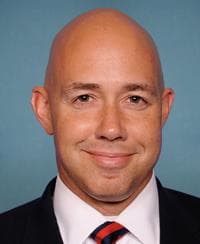
Brian J. Mast
Republican Representative
Florida
Foreign Affairs Committee
- Introduced
- In Committee
- On Floor
- Passed Chamber
- Enacted
The DFC Modernization Act of 2025 aims to reauthorize and significantly modify the U.S. International Development Finance Corporation (DFC), emphasizing a need for increased risk tolerance in its investments. This is intended to maximize the mobilization of private capital and advance United States foreign policy, economic development, and national security goals. The bill encourages the DFC to utilize various risk mitigation tools, including equity, hybrid securities, and partial guarantees, and to invest in high-risk countries or sectors to achieve its mission. A core policy objective is to counter strategic competitors, such as China and Russia, in key sectors like infrastructure, critical minerals, and supply chains by providing robust alternatives to state-directed financing. The DFC is also directed to assist allied and partner countries in achieving energy security through diversification of sources and supply routes. Furthermore, the bill seeks to facilitate private sector development in ways that can help curb illegal migration and secure U.S. borders. To achieve these goals, the Act significantly increases the DFC's maximum contingent liability from $60 billion to $250 billion and raises the maximum equity investment percentage from 30% to 49% . It also establishes a new Equity Investments Account to retain earnings from equity investments, making them available for future use without further appropriation. The DFC's authorization is extended until December 31, 2031 . The bill expands the DFC's potential geographic reach by allowing support in high-income countries if the President certifies it furthers U.S. national interests. It also defines a list of "countries of concern," including Venezuela, Cuba, North Korea, Iran, China, Russia, and Belarus. The Act streamlines DFC management by eliminating the Chief Development Officer position and increasing the number of administratively determined positions from 50 to 100. A significant new provision prohibits the DFC from providing support for projects involving private sector entities engaged in anticompetitive practices. Crucially, it also bans support for projects that involve partnerships with the government or state-owned enterprises of a country of concern , or projects that would be operated, managed, or controlled by them. The DFC is mandated to develop policies for supporting projects with state-owned enterprises to ensure competitive neutrality.
View Full TextSuggested Questions
Get AI-generated questions to help you understand this bill better
Timeline
Introduced in House
Referred to the House Committee on Foreign Affairs.
Committee Consideration and Mark-up Session Held
Committee Consideration and Mark-up Session Held
Ordered to be Reported (Amended) by the Yeas and Nays: 28 - 23.
Ordered to be Reported (Amended).
International Affairs
Business investment and capitalComputers and information technologyCongressional oversightEconomic developmentEuropeExecutive agency funding and structureFinancial services and investmentsForeign aid and international reliefGovernment corporations and government-sponsored enterprisesGovernment information and archivesGovernment lending and loan guaranteesPerformance measurementPublic-private cooperationRussiaSecuritiesStrategic materials and reservesTrade agreements and negotiationsU.S. and foreign investmentsU.S. International Development Finance Corporation
DFC Modernization Act of 2025
USA119th CongressHR-5299| House
| Updated: 9/19/2025
The DFC Modernization Act of 2025 aims to reauthorize and significantly modify the U.S. International Development Finance Corporation (DFC), emphasizing a need for increased risk tolerance in its investments. This is intended to maximize the mobilization of private capital and advance United States foreign policy, economic development, and national security goals. The bill encourages the DFC to utilize various risk mitigation tools, including equity, hybrid securities, and partial guarantees, and to invest in high-risk countries or sectors to achieve its mission. A core policy objective is to counter strategic competitors, such as China and Russia, in key sectors like infrastructure, critical minerals, and supply chains by providing robust alternatives to state-directed financing. The DFC is also directed to assist allied and partner countries in achieving energy security through diversification of sources and supply routes. Furthermore, the bill seeks to facilitate private sector development in ways that can help curb illegal migration and secure U.S. borders. To achieve these goals, the Act significantly increases the DFC's maximum contingent liability from $60 billion to $250 billion and raises the maximum equity investment percentage from 30% to 49% . It also establishes a new Equity Investments Account to retain earnings from equity investments, making them available for future use without further appropriation. The DFC's authorization is extended until December 31, 2031 . The bill expands the DFC's potential geographic reach by allowing support in high-income countries if the President certifies it furthers U.S. national interests. It also defines a list of "countries of concern," including Venezuela, Cuba, North Korea, Iran, China, Russia, and Belarus. The Act streamlines DFC management by eliminating the Chief Development Officer position and increasing the number of administratively determined positions from 50 to 100. A significant new provision prohibits the DFC from providing support for projects involving private sector entities engaged in anticompetitive practices. Crucially, it also bans support for projects that involve partnerships with the government or state-owned enterprises of a country of concern , or projects that would be operated, managed, or controlled by them. The DFC is mandated to develop policies for supporting projects with state-owned enterprises to ensure competitive neutrality.
View Full TextSuggested Questions
Get AI-generated questions to help you understand this bill better
Timeline
Introduced in House
Referred to the House Committee on Foreign Affairs.
Committee Consideration and Mark-up Session Held
Committee Consideration and Mark-up Session Held
Ordered to be Reported (Amended) by the Yeas and Nays: 28 - 23.
Ordered to be Reported (Amended).
Brian J. Mast
Republican Representative
Florida
Foreign Affairs Committee
International Affairs
- Introduced
- In Committee
- On Floor
- Passed Chamber
- Enacted
Business investment and capitalComputers and information technologyCongressional oversightEconomic developmentEuropeExecutive agency funding and structureFinancial services and investmentsForeign aid and international reliefGovernment corporations and government-sponsored enterprisesGovernment information and archivesGovernment lending and loan guaranteesPerformance measurementPublic-private cooperationRussiaSecuritiesStrategic materials and reservesTrade agreements and negotiationsU.S. and foreign investmentsU.S. International Development Finance Corporation