Empowering Striking Workers Act of 2025
USA119th CongressHR-5206| House
| Updated: 9/8/2025
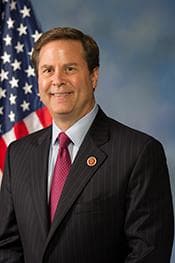
Donald Norcross
Democratic Representative
New Jersey
Cosponsors (51)
John W. Mannion (Democratic)Dwight Evans (Democratic)Gilbert Ray Cisneros (Democratic)Ritchie Torres (Democratic)Mark Pocan (Democratic)Robert Menendez (Democratic)Christopher R. Deluzio (Democratic)Emanuel Cleaver (Democratic)Ilhan Omar (Democratic)Kristen McDonald Rivet (Democratic)Dina Titus (Democratic)Debbie Dingell (Democratic)Sarah Elfreth (Democratic)Paul Tonko (Democratic)Delia C. Ramirez (Democratic)Rosa L. DeLauro (Democratic)Greg Casar (Democratic)Shri Thanedar (Democratic)Frank J. Mrvan (Democratic)Nikki Budzinski (Democratic)André Carson (Democratic)Stephen F. Lynch (Democratic)Daniel S. Goldman (Democratic)Morgan McGarvey (Democratic)Raja Krishnamoorthi (Democratic)Jerrold Nadler (Democratic)LaMonica McIver (Democratic)Adelita S. Grijalva (Democratic)Alma S. Adams (Democratic)Pramila Jayapal (Democratic)Eleanor Holmes Norton (Democratic)Val T. Hoyle (Democratic)Bonnie Watson Coleman (Democratic)Mary Gay Scanlon (Democratic)Lateefah Simon (Democratic)Timothy M. Kennedy (Democratic)Josh Riley (Democratic)Alexandria Ocasio-Cortez (Democratic)Maxine Waters (Democratic)Julia Brownley (Democratic)Seth Magaziner (Democratic)Suzanne Bonamici (Democratic)Emily Randall (Democratic)Nanette Diaz Barragán (Democratic)Kevin Mullin (Democratic)Frank Pallone (Democratic)Valerie P. Foushee (Democratic)Rashida Tlaib (Democratic)Herbert C. Conaway (Democratic)Chellie Pingree (Democratic)Judy Chu (Democratic)
Ways and Means Committee
- Introduced
- In Committee
- On Floor
- Passed Chamber
- Enacted
This bill, known as the "Empowering Striking Workers Act of 2025," proposes significant changes to federal law to allow individuals involved in a labor dispute to receive unemployment benefits. It achieves this by amending the Internal Revenue Code of 1986 and the Social Security Act. Specifically, the bill mandates that unemployment compensation be payable to individuals unable to work due to a labor dispute, treating them as if they were unemployed. Eligibility for these benefits would commence on the earliest of several conditions: 14 days after a strike begins , the date a lockout begins , the date an employer hires permanent replacement workers , or when the dispute ends and the individual becomes unemployed. Additionally, the Social Security Act would be modified to exempt these claimants from the standard work availability requirement typically imposed on unemployment benefit recipients.
View Full TextSuggested Questions
Get AI-generated questions to help you understand this bill better
Timeline
Introduced in House
Referred to the House Committee on Ways and Means.
Labor and Employment
Empowering Striking Workers Act of 2025
USA119th CongressHR-5206| House
| Updated: 9/8/2025
This bill, known as the "Empowering Striking Workers Act of 2025," proposes significant changes to federal law to allow individuals involved in a labor dispute to receive unemployment benefits. It achieves this by amending the Internal Revenue Code of 1986 and the Social Security Act. Specifically, the bill mandates that unemployment compensation be payable to individuals unable to work due to a labor dispute, treating them as if they were unemployed. Eligibility for these benefits would commence on the earliest of several conditions: 14 days after a strike begins , the date a lockout begins , the date an employer hires permanent replacement workers , or when the dispute ends and the individual becomes unemployed. Additionally, the Social Security Act would be modified to exempt these claimants from the standard work availability requirement typically imposed on unemployment benefit recipients.
View Full TextSuggested Questions
Get AI-generated questions to help you understand this bill better
Timeline
Introduced in House
Referred to the House Committee on Ways and Means.
Donald Norcross
Democratic Representative
New Jersey
Cosponsors (51)
John W. Mannion (Democratic)Dwight Evans (Democratic)Gilbert Ray Cisneros (Democratic)Ritchie Torres (Democratic)Mark Pocan (Democratic)Robert Menendez (Democratic)Christopher R. Deluzio (Democratic)Emanuel Cleaver (Democratic)Ilhan Omar (Democratic)Kristen McDonald Rivet (Democratic)Dina Titus (Democratic)Debbie Dingell (Democratic)Sarah Elfreth (Democratic)Paul Tonko (Democratic)Delia C. Ramirez (Democratic)Rosa L. DeLauro (Democratic)Greg Casar (Democratic)Shri Thanedar (Democratic)Frank J. Mrvan (Democratic)Nikki Budzinski (Democratic)André Carson (Democratic)Stephen F. Lynch (Democratic)Daniel S. Goldman (Democratic)Morgan McGarvey (Democratic)Raja Krishnamoorthi (Democratic)Jerrold Nadler (Democratic)LaMonica McIver (Democratic)Adelita S. Grijalva (Democratic)Alma S. Adams (Democratic)Pramila Jayapal (Democratic)Eleanor Holmes Norton (Democratic)Val T. Hoyle (Democratic)Bonnie Watson Coleman (Democratic)Mary Gay Scanlon (Democratic)Lateefah Simon (Democratic)Timothy M. Kennedy (Democratic)Josh Riley (Democratic)Alexandria Ocasio-Cortez (Democratic)Maxine Waters (Democratic)Julia Brownley (Democratic)Seth Magaziner (Democratic)Suzanne Bonamici (Democratic)Emily Randall (Democratic)Nanette Diaz Barragán (Democratic)Kevin Mullin (Democratic)Frank Pallone (Democratic)Valerie P. Foushee (Democratic)Rashida Tlaib (Democratic)Herbert C. Conaway (Democratic)Chellie Pingree (Democratic)Judy Chu (Democratic)
Ways and Means Committee
Labor and Employment
Related Bills
- Introduced
- In Committee
- On Floor
- Passed Chamber
- Enacted