Financial Services and General Government Appropriations Act, 2026
USA119th CongressHR-5166| House
| Updated: 9/5/2025
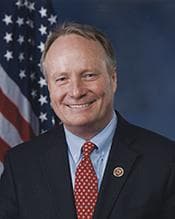
David P. Joyce
Republican Representative
Ohio
Appropriations Committee
- Introduced
- In Committee
- On Floor
- Passed Chamber
- Enacted
This bill, titled the "Financial Services and General Government Appropriations Act, 2026," provides funding for the fiscal year ending September 30, 2026, across several critical sectors of the U.S. government. It allocates resources to the Department of the Treasury, the Executive Office of the President, the Judiciary, the District of Columbia, and numerous independent agencies, outlining specific amounts for salaries, expenses, and various programs. Within the Department of the Treasury , significant appropriations are made for Departmental Offices, including funds for financial assistance administration, information technology modernization, and cybersecurity. The Committee on Foreign Investment in the United States (CFIUS) and the Office of Terrorism and Financial Intelligence receive funding, with the latter specifically allocating resources for human rights violations, corruption, and the testing of artificial intelligence for sanctions enforcement. The Internal Revenue Service (IRS) is funded for taxpayer services, enforcement activities, and technology support, with provisions for low-income taxpayer clinics and reporting on IT investments. The Community Development Financial Institutions (CDFI) Fund receives substantial funding, prioritizing investments in high-poverty areas and supporting Native American communities. The Executive Office of the President receives appropriations for the White House, including operating expenses for the Executive Residence and funding for the Council of Economic Advisers and the National Security Council. The Office of Management and Budget (OMB) is funded with specific directives regarding budgetary policy reviews and reporting requirements for executive orders. The Office of National Drug Control Policy (ONDCP) receives funds for the High Intensity Drug Trafficking Areas (HIDTA) program and other federal drug control initiatives, including the Drug-Free Communities Program and anti-doping activities. For the Judiciary , the bill provides funds for the Supreme Court, various U.S. Courts of Appeals, and District Courts, covering salaries, expenses, and court security. It includes specific allocations for defender services, fees of jurors and commissioners, and cybersecurity modernization. The Administrative Office of the U.S. Courts, the Federal Judicial Center, and the U.S. Sentencing Commission also receive funding to support their operations. The bill includes substantial Federal Payments to the District of Columbia for resident tuition support, emergency planning and security, courts, defender services, and public safety agencies. It also allocates funds for school improvement programs, including opportunity scholarships, and for the District of Columbia Water and Sewer Authority. Various administrative provisions for the District of Columbia address local fund management, reprogramming limits, and specific policy restrictions. Several Independent Agencies are funded, such as the Consumer Product Safety Commission, Election Assistance Commission (including election security grants to states), Federal Communications Commission, Federal Trade Commission, General Services Administration, National Archives and Records Administration, Office of Personnel Management, and the Small Business Administration. These appropriations often include specific programmatic directives, such as restrictions on certain regulatory actions for the CPSC and FTC, and support for entrepreneurial development programs and disaster loans for the SBA. The bill also contains extensive General Provisions , both specific to this Act and government-wide. These provisions impose restrictions on fund transfers, reprogramming of funds, and certain types of spending, such as for propaganda or specific types of travel and conferences. They also include policy riders prohibiting the use of funds for certain activities, such as implementing COVID-19 mask or vaccine mandates, promoting Critical Race Theory, funding foreign adversary labs, or procuring electric vehicles from certain manufacturers. Other provisions address whistleblower protections, contractor conduct, and transparency requirements for federal agencies and grantees.
Suggested Questions
Get AI-generated questions to help you understand this bill better
Timeline
Bill from Previous Congress
HR 116-7668Financial Services and General Government Appropriations Act, 2021
Bill from Previous Congress
HR 116-3351Financial Services and General
Government Appropriations Act, 2020
Bill from Previous Congress
HR 116-264Financial Services and General Government Appropriations Act, 2019
Bill from Previous Congress
HR 117-8254Financial Services and General Government Appropriations Act, 2023
Bill from Previous Congress
HR 117-4345Financial Services and General Government Appropriations Act, 2022
Bill from Previous Congress
HR 118-8773Financial Services and General Government Appropriations Act, 2025
Bill from Previous Congress
HR 115-6258Financial Services and General Government Appropriations Act, 2019
Bill from Previous Congress
HR 115-3280Financial Services and General Government Appropriations Act, 2018
Placed on the Union Calendar, Calendar No. 193.
The House Committee on Appropriations reported an original measure, H. Rept. 119-236, by Mr. Joyce (OH).
Economics and Public Finance
AbortionAccounting and auditingAdministrative Conference of the U.S.Administrative law and regulatory proceduresAdvisory bodiesAlaska Natives and HawaiiansAppropriationsAsiaCaliforniaCaribbean areaChinaClimate change and greenhouse gasesCommunity Development Financial Institutions FundComputers and information technologyComputer security and identity theftCongressional oversightConsumer affairsConsumer Financial Protection BureauConsumer Product Safety CommissionCriminal procedure and sentencingCubaCurrencyDepartment of the TreasuryDisaster relief and insuranceDistrict of ColumbiaDrug trafficking and controlled substancesElection Assistance CommissionElections, voting, political campaign regulationEmergency planning and evacuationEmployee hiringEmployment and training programsExecutive agency funding and structureExecutive Office of the PresidentFamily planning and birth controlFederal appellate courtsFederal Communications Commission (FCC)Federal Deposit Insurance Corporation (FDIC)Federal district courtsFederal Election Commission (FEC)Federal Labor Relations AuthorityFederal Trade Commission (FTC)Firearms and explosivesFraud offenses and financial crimesGeneral Services AdministrationGovernment buildings, facilities, and propertyGovernment employee pay, benefits, personnel managementGovernment information and archivesGovernment lending and loan guaranteesGovernment trust fundsHigher educationHistorical and cultural resourcesHIV/AIDSHomeland securityHousing and community development fundingHuman rightsHybrid, electric, and advanced technology vehiclesIndian social and development programsInfrastructure developmentIntellectual propertyIntelligence activities, surveillance, classified informationInternal Revenue Service (IRS)Internet, web applications, social mediaIranJudgesLabor-management relationsLatin AmericaLaw enforcement administration and fundingLawyers and legal servicesLease and rental servicesLegal fees and court costsLibraries and archivesLicensing and registrationsMerit Systems Protection BoardMiddle EastMissouriMotor vehiclesNational Archives and Records AdministrationNational Credit Union AdministrationNorth CarolinaNorth KoreaOffice of Government EthicsOffice of Management and Budget (OMB)Office of Personnel Management (OPM)PornographyPostal servicePresidents and presidential powers, Vice PresidentsPrivacy and Civil Liberties Oversight BoardProtection of officialsPublic contracts and procurementPublic transitRacial and ethnic relationsReligionResearch and developmentResidential rehabilitation and home repairSecuritiesSecurities and Exchange Commission (SEC)Selective Service SystemSmall businessSmall Business AdministrationSmuggling and traffickingSpecialized courtsState and local courtsStudent aid and college costsSupreme CourtTax administration and collection, taxpayersTelephone and wireless communicationTerrorismTransportation costsU.S. and foreign investmentsU.S. Postal ServiceU.S. Sentencing CommissionVenezuelaVirginiaWages and earningsWater resources fundingWomen's health
Financial Services and General Government Appropriations Act, 2026
USA119th CongressHR-5166| House
| Updated: 9/5/2025
This bill, titled the "Financial Services and General Government Appropriations Act, 2026," provides funding for the fiscal year ending September 30, 2026, across several critical sectors of the U.S. government. It allocates resources to the Department of the Treasury, the Executive Office of the President, the Judiciary, the District of Columbia, and numerous independent agencies, outlining specific amounts for salaries, expenses, and various programs. Within the Department of the Treasury , significant appropriations are made for Departmental Offices, including funds for financial assistance administration, information technology modernization, and cybersecurity. The Committee on Foreign Investment in the United States (CFIUS) and the Office of Terrorism and Financial Intelligence receive funding, with the latter specifically allocating resources for human rights violations, corruption, and the testing of artificial intelligence for sanctions enforcement. The Internal Revenue Service (IRS) is funded for taxpayer services, enforcement activities, and technology support, with provisions for low-income taxpayer clinics and reporting on IT investments. The Community Development Financial Institutions (CDFI) Fund receives substantial funding, prioritizing investments in high-poverty areas and supporting Native American communities. The Executive Office of the President receives appropriations for the White House, including operating expenses for the Executive Residence and funding for the Council of Economic Advisers and the National Security Council. The Office of Management and Budget (OMB) is funded with specific directives regarding budgetary policy reviews and reporting requirements for executive orders. The Office of National Drug Control Policy (ONDCP) receives funds for the High Intensity Drug Trafficking Areas (HIDTA) program and other federal drug control initiatives, including the Drug-Free Communities Program and anti-doping activities. For the Judiciary , the bill provides funds for the Supreme Court, various U.S. Courts of Appeals, and District Courts, covering salaries, expenses, and court security. It includes specific allocations for defender services, fees of jurors and commissioners, and cybersecurity modernization. The Administrative Office of the U.S. Courts, the Federal Judicial Center, and the U.S. Sentencing Commission also receive funding to support their operations. The bill includes substantial Federal Payments to the District of Columbia for resident tuition support, emergency planning and security, courts, defender services, and public safety agencies. It also allocates funds for school improvement programs, including opportunity scholarships, and for the District of Columbia Water and Sewer Authority. Various administrative provisions for the District of Columbia address local fund management, reprogramming limits, and specific policy restrictions. Several Independent Agencies are funded, such as the Consumer Product Safety Commission, Election Assistance Commission (including election security grants to states), Federal Communications Commission, Federal Trade Commission, General Services Administration, National Archives and Records Administration, Office of Personnel Management, and the Small Business Administration. These appropriations often include specific programmatic directives, such as restrictions on certain regulatory actions for the CPSC and FTC, and support for entrepreneurial development programs and disaster loans for the SBA. The bill also contains extensive General Provisions , both specific to this Act and government-wide. These provisions impose restrictions on fund transfers, reprogramming of funds, and certain types of spending, such as for propaganda or specific types of travel and conferences. They also include policy riders prohibiting the use of funds for certain activities, such as implementing COVID-19 mask or vaccine mandates, promoting Critical Race Theory, funding foreign adversary labs, or procuring electric vehicles from certain manufacturers. Other provisions address whistleblower protections, contractor conduct, and transparency requirements for federal agencies and grantees.
Suggested Questions
Get AI-generated questions to help you understand this bill better
Timeline
Bill from Previous Congress
HR 116-7668Financial Services and General Government Appropriations Act, 2021
Bill from Previous Congress
HR 116-3351Financial Services and General
Government Appropriations Act, 2020
Bill from Previous Congress
HR 116-264Financial Services and General Government Appropriations Act, 2019
Bill from Previous Congress
HR 117-8254Financial Services and General Government Appropriations Act, 2023
Bill from Previous Congress
HR 117-4345Financial Services and General Government Appropriations Act, 2022
Bill from Previous Congress
HR 118-8773Financial Services and General Government Appropriations Act, 2025
Bill from Previous Congress
HR 115-6258Financial Services and General Government Appropriations Act, 2019
Bill from Previous Congress
HR 115-3280Financial Services and General Government Appropriations Act, 2018
Placed on the Union Calendar, Calendar No. 193.
The House Committee on Appropriations reported an original measure, H. Rept. 119-236, by Mr. Joyce (OH).
David P. Joyce
Republican Representative
Ohio
Appropriations Committee
Economics and Public Finance
Related Bills
- Introduced
- In Committee
- On Floor
- Passed Chamber
- Enacted
AbortionAccounting and auditingAdministrative Conference of the U.S.Administrative law and regulatory proceduresAdvisory bodiesAlaska Natives and HawaiiansAppropriationsAsiaCaliforniaCaribbean areaChinaClimate change and greenhouse gasesCommunity Development Financial Institutions FundComputers and information technologyComputer security and identity theftCongressional oversightConsumer affairsConsumer Financial Protection BureauConsumer Product Safety CommissionCriminal procedure and sentencingCubaCurrencyDepartment of the TreasuryDisaster relief and insuranceDistrict of ColumbiaDrug trafficking and controlled substancesElection Assistance CommissionElections, voting, political campaign regulationEmergency planning and evacuationEmployee hiringEmployment and training programsExecutive agency funding and structureExecutive Office of the PresidentFamily planning and birth controlFederal appellate courtsFederal Communications Commission (FCC)Federal Deposit Insurance Corporation (FDIC)Federal district courtsFederal Election Commission (FEC)Federal Labor Relations AuthorityFederal Trade Commission (FTC)Firearms and explosivesFraud offenses and financial crimesGeneral Services AdministrationGovernment buildings, facilities, and propertyGovernment employee pay, benefits, personnel managementGovernment information and archivesGovernment lending and loan guaranteesGovernment trust fundsHigher educationHistorical and cultural resourcesHIV/AIDSHomeland securityHousing and community development fundingHuman rightsHybrid, electric, and advanced technology vehiclesIndian social and development programsInfrastructure developmentIntellectual propertyIntelligence activities, surveillance, classified informationInternal Revenue Service (IRS)Internet, web applications, social mediaIranJudgesLabor-management relationsLatin AmericaLaw enforcement administration and fundingLawyers and legal servicesLease and rental servicesLegal fees and court costsLibraries and archivesLicensing and registrationsMerit Systems Protection BoardMiddle EastMissouriMotor vehiclesNational Archives and Records AdministrationNational Credit Union AdministrationNorth CarolinaNorth KoreaOffice of Government EthicsOffice of Management and Budget (OMB)Office of Personnel Management (OPM)PornographyPostal servicePresidents and presidential powers, Vice PresidentsPrivacy and Civil Liberties Oversight BoardProtection of officialsPublic contracts and procurementPublic transitRacial and ethnic relationsReligionResearch and developmentResidential rehabilitation and home repairSecuritiesSecurities and Exchange Commission (SEC)Selective Service SystemSmall businessSmall Business AdministrationSmuggling and traffickingSpecialized courtsState and local courtsStudent aid and college costsSupreme CourtTax administration and collection, taxpayersTelephone and wireless communicationTerrorismTransportation costsU.S. and foreign investmentsU.S. Postal ServiceU.S. Sentencing CommissionVenezuelaVirginiaWages and earningsWater resources fundingWomen's health