District of Columbia National Guard Home Rule Act
USA119th CongressHR-5093| House
| Updated: 9/2/2025
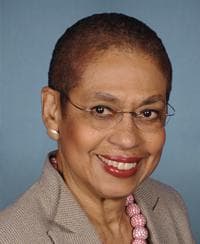
Eleanor Holmes Norton
Democratic Representative
District of Columbia
Cosponsors (6)
Oversight and Government Reform Committee
- Introduced
- In Committee
- On Floor
- Passed Chamber
- Enacted
The "District of Columbia National Guard Home Rule Act" aims to grant the Mayor of the District of Columbia the same administrative authority over the District of Columbia National Guard as state governors possess over their state National Guard units. This legislation effectively shifts control from the President of the United States and the Commanding General of the D.C. National Guard to the Mayor, enhancing local governance over this military force. Key provisions of the bill include designating the Mayor as the Commander-in-Chief of the D.C. National Guard and transferring authority for the appointment, retirement, and call for duty of commissioned officers to the Mayor. It also amends sections related to the Reserve Corps and general courts-martial, replacing references to the President with the Mayor. Furthermore, the bill makes extensive conforming amendments across the D.C. Official Code, Title 10 (Armed Forces), and Title 32 (National Guard) of the United States Code. These amendments ensure that the Mayor's authority extends to areas such as failure to perform prescribed training, the appointment of the Chief and Vice Chief of the National Guard Bureau, and consent for active duty or relocation of units. The legislation also modifies provisions concerning drug interdiction activities, the appointment of the Adjutant General, and the authority to order active Guard and Reserve duty. Finally, it includes the District of Columbia in the definition of "State" for certain National Guard assistance programs and makes a conforming amendment to the District of Columbia Home Rule Act.
View Full TextSuggested Questions
Get AI-generated questions to help you understand this bill better
Timeline
Introduced in House
Referred to the House Committee on Oversight and Government Reform.
Government Operations and Politics
District of Columbia National Guard Home Rule Act
USA119th CongressHR-5093| House
| Updated: 9/2/2025
The "District of Columbia National Guard Home Rule Act" aims to grant the Mayor of the District of Columbia the same administrative authority over the District of Columbia National Guard as state governors possess over their state National Guard units. This legislation effectively shifts control from the President of the United States and the Commanding General of the D.C. National Guard to the Mayor, enhancing local governance over this military force. Key provisions of the bill include designating the Mayor as the Commander-in-Chief of the D.C. National Guard and transferring authority for the appointment, retirement, and call for duty of commissioned officers to the Mayor. It also amends sections related to the Reserve Corps and general courts-martial, replacing references to the President with the Mayor. Furthermore, the bill makes extensive conforming amendments across the D.C. Official Code, Title 10 (Armed Forces), and Title 32 (National Guard) of the United States Code. These amendments ensure that the Mayor's authority extends to areas such as failure to perform prescribed training, the appointment of the Chief and Vice Chief of the National Guard Bureau, and consent for active duty or relocation of units. The legislation also modifies provisions concerning drug interdiction activities, the appointment of the Adjutant General, and the authority to order active Guard and Reserve duty. Finally, it includes the District of Columbia in the definition of "State" for certain National Guard assistance programs and makes a conforming amendment to the District of Columbia Home Rule Act.
View Full TextSuggested Questions
Get AI-generated questions to help you understand this bill better
Timeline
Introduced in House
Referred to the House Committee on Oversight and Government Reform.
Eleanor Holmes Norton
Democratic Representative
District of Columbia
Cosponsors (6)
Oversight and Government Reform Committee
Government Operations and Politics
- Introduced
- In Committee
- On Floor
- Passed Chamber
- Enacted