Rural Housing Service Reform Act of 2025
USA119th CongressHR-4957| House
| Updated: 8/12/2025
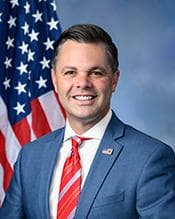
Zachary Nunn
Republican Representative
Iowa
Cosponsors (12)
Emanuel Cleaver (Democratic)Mariannette Miller-Meeks (Republican)Eugene Simon Vindman (Democratic)Donald G. Davis (Democratic)Brittany Pettersen (Democratic)Josh Riley (Democratic)Joe Neguse (Democratic)Lisa C. McClain (Republican)Pete Stauber (Republican)Marlin A. Stutzman (Republican)Tracey Mann (Republican)Michelle Fischbach (Republican)
Agriculture Committee, Financial Services Committee
- Introduced
- In Committee
- On Floor
- Passed Chamber
- Enacted
The Rural Housing Service Reform Act of 2025 aims to modernize and enhance the effectiveness of rural housing programs administered by the Department of Agriculture, focusing on improving program efficiency, expanding access to affordable housing, and preserving existing rural housing stock. To achieve this, the bill authorizes necessary appropriations for increased staffing and critical information technology upgrades for all Rural Housing Service programs through fiscal year 2030. It also mandates annual reports on program performance and a Government Accountability Office (GAO) study on technology needs to ensure greater transparency and efficiency. A central provision is the permanent establishment of a Housing Preservation and Revitalization Program for multifamily rental housing projects. This program requires the Secretary of Agriculture to provide notice to owners and tenants about maturing loans and offers options for loan restructuring, including interest reduction, payment deferral, and other financial assistance to ensure long-term affordability. It also authorizes the renewal of rental assistance contracts for up to 20 years, even allowing for the decoupling of rental assistance from the loan if restructuring is not feasible. The bill significantly modifies Section 504 loans and grants for minor home improvements, increasing the maximum amount from $7,500 to $15,000 and reserving at least 60 percent of funds for very low-income applicants. For Section 502 loans and guarantees , it extends the maximum loan term to 40 years and relieves original borrowers of liability when a guaranteed loan is assumed by a new, approved borrower. Additionally, it clarifies that rental income from accessory dwelling units can be used to qualify for Section 502 guaranteed loans, even for properties constructed before the Act's enactment. The legislation expands eligibility for rural housing vouchers to low-income households in certain multifamily projects that have been prepaid, foreclosed, or matured, and mandates regulations for adjusting voucher amounts based on changes in income or family composition. It also establishes a Rural Community Development Initiative to provide grants to intermediaries for technical and financial assistance to community-based organizations, supporting housing, community facilities, and economic development projects in rural areas. Furthermore, the bill expresses a Sense of Congress that loan and grant applications should be reviewed and eligibility determined within 90 days. It requires annual reports detailing the timeliness of these determinations and recommendations to shorten the timeline, aiming for all eligibility determinations to be made within 90 days over a five-year period.
View Full TextSuggested Questions
Get AI-generated questions to help you understand this bill better
Timeline
Introduced in House
Referred to the Committee on Financial Services, and in addition to the Committee on Agriculture, for a period to be subsequently determined by the Speaker, in each case for consideration of such provisions as fall within the jurisdiction of the committee concerned.
Housing and Community Development
Rural Housing Service Reform Act of 2025
USA119th CongressHR-4957| House
| Updated: 8/12/2025
The Rural Housing Service Reform Act of 2025 aims to modernize and enhance the effectiveness of rural housing programs administered by the Department of Agriculture, focusing on improving program efficiency, expanding access to affordable housing, and preserving existing rural housing stock. To achieve this, the bill authorizes necessary appropriations for increased staffing and critical information technology upgrades for all Rural Housing Service programs through fiscal year 2030. It also mandates annual reports on program performance and a Government Accountability Office (GAO) study on technology needs to ensure greater transparency and efficiency. A central provision is the permanent establishment of a Housing Preservation and Revitalization Program for multifamily rental housing projects. This program requires the Secretary of Agriculture to provide notice to owners and tenants about maturing loans and offers options for loan restructuring, including interest reduction, payment deferral, and other financial assistance to ensure long-term affordability. It also authorizes the renewal of rental assistance contracts for up to 20 years, even allowing for the decoupling of rental assistance from the loan if restructuring is not feasible. The bill significantly modifies Section 504 loans and grants for minor home improvements, increasing the maximum amount from $7,500 to $15,000 and reserving at least 60 percent of funds for very low-income applicants. For Section 502 loans and guarantees , it extends the maximum loan term to 40 years and relieves original borrowers of liability when a guaranteed loan is assumed by a new, approved borrower. Additionally, it clarifies that rental income from accessory dwelling units can be used to qualify for Section 502 guaranteed loans, even for properties constructed before the Act's enactment. The legislation expands eligibility for rural housing vouchers to low-income households in certain multifamily projects that have been prepaid, foreclosed, or matured, and mandates regulations for adjusting voucher amounts based on changes in income or family composition. It also establishes a Rural Community Development Initiative to provide grants to intermediaries for technical and financial assistance to community-based organizations, supporting housing, community facilities, and economic development projects in rural areas. Furthermore, the bill expresses a Sense of Congress that loan and grant applications should be reviewed and eligibility determined within 90 days. It requires annual reports detailing the timeliness of these determinations and recommendations to shorten the timeline, aiming for all eligibility determinations to be made within 90 days over a five-year period.
View Full TextSuggested Questions
Get AI-generated questions to help you understand this bill better
Timeline
Introduced in House
Referred to the Committee on Financial Services, and in addition to the Committee on Agriculture, for a period to be subsequently determined by the Speaker, in each case for consideration of such provisions as fall within the jurisdiction of the committee concerned.
Zachary Nunn
Republican Representative
Iowa
Cosponsors (12)
Emanuel Cleaver (Democratic)Mariannette Miller-Meeks (Republican)Eugene Simon Vindman (Democratic)Donald G. Davis (Democratic)Brittany Pettersen (Democratic)Josh Riley (Democratic)Joe Neguse (Democratic)Lisa C. McClain (Republican)Pete Stauber (Republican)Marlin A. Stutzman (Republican)Tracey Mann (Republican)Michelle Fischbach (Republican)
Agriculture Committee, Financial Services Committee
Housing and Community Development
Related Bills
- Introduced
- In Committee
- On Floor
- Passed Chamber
- Enacted