Protect Economic and Academic Freedom Act of 2026
USA119th CongressHR-4795| House
| Updated: 9/3/2026
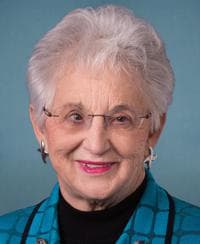
Virginia Foxx
Republican Representative
North Carolina
Cosponsors (1)
Education and Workforce Committee
- Introduced
- In Committee
- On Floor
- Passed Chamber
- Enacted
This bill amends the Higher Education Act of 1965 to establish new conditions for institutions of higher education receiving federal funding, aiming to prevent certain commercial boycotts and promote academic cooperation with key U.S. allies. It mandates that institutions participating in Title IV federal student aid programs annually certify they will not engage in a nonexpressive commercial boycott of a major strategic partner of the United States. Such a boycott is defined as a commercial action, not based on a valid business reason, intended to limit relations with a strategic partner. Institutions failing to certify will be publicly listed and notified, with compliance becoming a condition for Title IV program participation. Additionally, institutions receiving Title VI funds must annually certify they do not unreasonably obstruct academic programs and exchanges with major strategic partners. This ensures equitable participation for students and faculty from both the certifying institution and the strategic partner country in academic activities. Failure to submit this certification will result in ineligibility for Title VI funds, reinforcing the bill's objective to foster economic and academic freedom with U.S. allies.
Suggested Questions
Get AI-generated questions to help you understand this bill better
Timeline
Introduced in House
Referred to the House Committee on Education and Workforce.
Committee Consideration and Mark-up Session Held
Ordered to be Reported (Amended) by the Yeas and Nays: 24 - 9.
Placed on the Union Calendar, Calendar No. 681.
Reported (Amended) by the Committee on Education and Workforce. H. Rept. 119-780.
Rules Committee Resolution H. Res. 1499 Reported to House. Rule provides for consideration of H.R. 1501, H.R. 9436, H. Res. 1490 and H.R. 4795. The resolution provides for consideration of H.R. 1501, H.R. 9436, H.Res. 1490, and H.R. 4795 under a closed rule with one hour of general debate on each measure. The resolution provides for a motion to recommit on H.R. 1501, H.R. 9436, and H.R. 4795.
Rule H. Res. 1499 passed House.
Considered under the provisions of rule H. Res. 1499.
Considered under the provisions of rule H. Res. 1499. (consideration: CR H5483-5488)
Rule provides for consideration of H.R. 1501, H.R. 9436, H. Res. 1490 and H.R. 4795. The resolution provides for consideration of H.R. 1501, H.R. 9436, H.Res. 1490, and H.R. 4795 under a closed rule with one hour of general debate on each measure. The resolution provides for a motion to recommit on H.R. 1501, H.R. 9436, and H.R. 4795.
DEBATE - The House proceeded with one hour of debate on H.R. 4795.
The previous question was ordered pursuant to the rule.
On passage Passed by the Yeas and Nays: 237 - 169 (Roll no. 295). (text: CR H5483)
View VoteMotion to reconsider laid on the table Agreed to without objection.
Education
Education programs fundingGovernment information and archivesHigher educationInternational exchange and broadcastingIsraelMiddle EastProtest and dissentSchool administration
Protect Economic and Academic Freedom Act of 2026
USA119th CongressHR-4795| House
| Updated: 9/3/2026
This bill amends the Higher Education Act of 1965 to establish new conditions for institutions of higher education receiving federal funding, aiming to prevent certain commercial boycotts and promote academic cooperation with key U.S. allies. It mandates that institutions participating in Title IV federal student aid programs annually certify they will not engage in a nonexpressive commercial boycott of a major strategic partner of the United States. Such a boycott is defined as a commercial action, not based on a valid business reason, intended to limit relations with a strategic partner. Institutions failing to certify will be publicly listed and notified, with compliance becoming a condition for Title IV program participation. Additionally, institutions receiving Title VI funds must annually certify they do not unreasonably obstruct academic programs and exchanges with major strategic partners. This ensures equitable participation for students and faculty from both the certifying institution and the strategic partner country in academic activities. Failure to submit this certification will result in ineligibility for Title VI funds, reinforcing the bill's objective to foster economic and academic freedom with U.S. allies.
Suggested Questions
Get AI-generated questions to help you understand this bill better
Timeline
Introduced in House
Referred to the House Committee on Education and Workforce.
Committee Consideration and Mark-up Session Held
Ordered to be Reported (Amended) by the Yeas and Nays: 24 - 9.
Placed on the Union Calendar, Calendar No. 681.
Reported (Amended) by the Committee on Education and Workforce. H. Rept. 119-780.
Rules Committee Resolution H. Res. 1499 Reported to House. Rule provides for consideration of H.R. 1501, H.R. 9436, H. Res. 1490 and H.R. 4795. The resolution provides for consideration of H.R. 1501, H.R. 9436, H.Res. 1490, and H.R. 4795 under a closed rule with one hour of general debate on each measure. The resolution provides for a motion to recommit on H.R. 1501, H.R. 9436, and H.R. 4795.
Rule H. Res. 1499 passed House.
Considered under the provisions of rule H. Res. 1499.
Considered under the provisions of rule H. Res. 1499. (consideration: CR H5483-5488)
Rule provides for consideration of H.R. 1501, H.R. 9436, H. Res. 1490 and H.R. 4795. The resolution provides for consideration of H.R. 1501, H.R. 9436, H.Res. 1490, and H.R. 4795 under a closed rule with one hour of general debate on each measure. The resolution provides for a motion to recommit on H.R. 1501, H.R. 9436, and H.R. 4795.
DEBATE - The House proceeded with one hour of debate on H.R. 4795.
The previous question was ordered pursuant to the rule.
On passage Passed by the Yeas and Nays: 237 - 169 (Roll no. 295). (text: CR H5483)
View VoteMotion to reconsider laid on the table Agreed to without objection.
Virginia Foxx
Republican Representative
North Carolina
Cosponsors (1)
Education and Workforce Committee
Education
- Introduced
- In Committee
- On Floor
- Passed Chamber
- Enacted
Education programs fundingGovernment information and archivesHigher educationInternational exchange and broadcastingIsraelMiddle EastProtest and dissentSchool administration