PTO Act
USA119th CongressHR-4763| House
| Updated: 7/25/2025
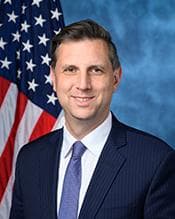
Seth Magaziner
Democratic Representative
Rhode Island
Cosponsors (86)
Dwight Evans (Democratic)Donald Norcross (Democratic)Nikema Williams (Democratic)Yassamin Ansari (Democratic)Laura Friedman (Democratic)Jonathan L. Jackson (Democratic)Sylvia R. Garcia (Democratic)Jared Huffman (Democratic)Gabe Amo (Democratic)Robin L. Kelly (Democratic)Julie Johnson (Democratic)Robert Garcia (Democratic)Mark Pocan (Democratic)Robert Menendez (Democratic)Analilia Mejia (Democratic)Christopher R. Deluzio (Democratic)Emanuel Cleaver (Democratic)Ilhan Omar (Democratic)Shontel M. Brown (Democratic)Frederica S. Wilson (Democratic)Troy A. Carter (Democratic)Maxine Dexter (Democratic)Dina Titus (Democratic)Maxwell Frost (Democratic)Debbie Dingell (Democratic)Melanie A. Stansbury (Democratic)Andrea Salinas (Democratic)Paul Tonko (Democratic)Delia C. Ramirez (Democratic)Rosa L. DeLauro (Democratic)Greg Casar (Democratic)Christian D. Menefee (Democratic)Shri Thanedar (Democratic)Danny K. Davis (Democratic)Ted Lieu (Democratic)Ro Khanna (Democratic)George Latimer (Democratic)Jasmine Crockett (Democratic)Henry C. "Hank" Johnson (Democratic)Al Green (Democratic)Nikki Budzinski (Democratic)André Carson (Democratic)Stephen F. Lynch (Democratic)Mark DeSaulnier (Democratic)Jill N. Tokuda (Democratic)Daniel S. Goldman (Democratic)Jahana Hayes (Democratic)Raja Krishnamoorthi (Democratic)Jerrold Nadler (Democratic)LaMonica McIver (Democratic)Adelita S. Grijalva (Democratic)Alma S. Adams (Democratic)Josh Harder (Democratic)Sydney Kamlager-Dove (Democratic)Pramila Jayapal (Democratic)Eleanor Holmes Norton (Democratic)Val T. Hoyle (Democratic)Brad Sherman (Democratic)Bonnie Watson Coleman (Democratic)Lateefah Simon (Democratic)Jamie Raskin (Democratic)Joe Neguse (Democratic)Mike Quigley (Democratic)Janice D. Schakowsky (Democratic)James P. McGovern (Democratic)Alexandria Ocasio-Cortez (Democratic)Summer L. Lee (Democratic)Nydia M. Velázquez (Democratic)Julia Brownley (Democratic)Cleo Fields (Democratic)Johnny Olszewski (Democratic)Sarah McBride (Democratic)Yvette D. Clarke (Democratic)Seth Moulton (Democratic)Suzanne Bonamici (Democratic)Linda T. Sánchez (Democratic)Emily Randall (Democratic)Jesús G. "Chuy" García (Democratic)Kevin Mullin (Democratic)Jimmy Gomez (Democratic)Grace Meng (Democratic)Rashida Tlaib (Democratic)Debbie Wasserman Schultz (Democratic)Chellie Pingree (Democratic)Mike Levin (Democratic)Judy Chu (Democratic)
Committee on House Administration, Transportation and Infrastructure Committee, Judiciary Committee, Education and Workforce Committee, Oversight and Government Reform Committee
- Introduced
- In Committee
- On Floor
- Passed Chamber
- Enacted
The Protected Time Off Act (PTO Act) establishes a federal requirement for employers to provide paid annual leave to their employees. Under this Act, employees will accrue a minimum of one hour of paid annual leave for every 25 hours worked, beginning at the commencement of their employment. While employers are not mandated to provide more than 80 hours of paid annual leave within any 12-month period, they are permitted to offer additional leave. This earned leave can be utilized by an employee for any reason and becomes available for use as it is accrued. Employees taking paid annual leave must be compensated at their regular rate of pay , with specific provisions for tipped employees to ensure fair compensation. Employers must maintain employment benefits during leave and allow it to be taken in small increments. While employees provide verbal or written notice for leave, employers cannot demand more than two weeks' advance notice, nor can they require disclosure of the leave's purpose or that an employee find a replacement. Employers may impose limited, reasonable restrictions on leave scheduling for bona fide business reasons , but must offer alternative dates within 30 days and cannot prevent the use of expiring leave. Employees can carry over up to 40 hours of unused paid annual leave to the next year. Upon separation, employers must provide financial compensation for any unused leave at a specified rate. Employers must clearly inform employees about their paid annual leave policies, including their rights, through written notices, handbooks, and conspicuous postings, and maintain a system for employees to track earned leave. The Act prohibits employers from interfering with employees' rights, discriminating, or retaliating against those who exercise their rights, or using leave as a negative factor in employment decisions. Enforcement is primarily handled by the Secretary of Labor , with employees also having a private right of action for violations, and the Act ensures it does not diminish greater leave rights provided by state laws or existing agreements.
View Full TextSuggested Questions
Get AI-generated questions to help you understand this bill better
Timeline
Introduced in House
Referred to the Committee on Education and Workforce, and in addition to the Committees on House Administration, Oversight and Government Reform, the Judiciary, and Transportation and Infrastructure, for a period to be subsequently determined by the Speaker, in each case for consideration of such provisions as fall within the jurisdiction of the committee concerned.
Labor and Employment
PTO Act
USA119th CongressHR-4763| House
| Updated: 7/25/2025
The Protected Time Off Act (PTO Act) establishes a federal requirement for employers to provide paid annual leave to their employees. Under this Act, employees will accrue a minimum of one hour of paid annual leave for every 25 hours worked, beginning at the commencement of their employment. While employers are not mandated to provide more than 80 hours of paid annual leave within any 12-month period, they are permitted to offer additional leave. This earned leave can be utilized by an employee for any reason and becomes available for use as it is accrued. Employees taking paid annual leave must be compensated at their regular rate of pay , with specific provisions for tipped employees to ensure fair compensation. Employers must maintain employment benefits during leave and allow it to be taken in small increments. While employees provide verbal or written notice for leave, employers cannot demand more than two weeks' advance notice, nor can they require disclosure of the leave's purpose or that an employee find a replacement. Employers may impose limited, reasonable restrictions on leave scheduling for bona fide business reasons , but must offer alternative dates within 30 days and cannot prevent the use of expiring leave. Employees can carry over up to 40 hours of unused paid annual leave to the next year. Upon separation, employers must provide financial compensation for any unused leave at a specified rate. Employers must clearly inform employees about their paid annual leave policies, including their rights, through written notices, handbooks, and conspicuous postings, and maintain a system for employees to track earned leave. The Act prohibits employers from interfering with employees' rights, discriminating, or retaliating against those who exercise their rights, or using leave as a negative factor in employment decisions. Enforcement is primarily handled by the Secretary of Labor , with employees also having a private right of action for violations, and the Act ensures it does not diminish greater leave rights provided by state laws or existing agreements.
View Full TextSuggested Questions
Get AI-generated questions to help you understand this bill better
Timeline
Introduced in House
Referred to the Committee on Education and Workforce, and in addition to the Committees on House Administration, Oversight and Government Reform, the Judiciary, and Transportation and Infrastructure, for a period to be subsequently determined by the Speaker, in each case for consideration of such provisions as fall within the jurisdiction of the committee concerned.
Seth Magaziner
Democratic Representative
Rhode Island
Cosponsors (86)
Dwight Evans (Democratic)Donald Norcross (Democratic)Nikema Williams (Democratic)Yassamin Ansari (Democratic)Laura Friedman (Democratic)Jonathan L. Jackson (Democratic)Sylvia R. Garcia (Democratic)Jared Huffman (Democratic)Gabe Amo (Democratic)Robin L. Kelly (Democratic)Julie Johnson (Democratic)Robert Garcia (Democratic)Mark Pocan (Democratic)Robert Menendez (Democratic)Analilia Mejia (Democratic)Christopher R. Deluzio (Democratic)Emanuel Cleaver (Democratic)Ilhan Omar (Democratic)Shontel M. Brown (Democratic)Frederica S. Wilson (Democratic)Troy A. Carter (Democratic)Maxine Dexter (Democratic)Dina Titus (Democratic)Maxwell Frost (Democratic)Debbie Dingell (Democratic)Melanie A. Stansbury (Democratic)Andrea Salinas (Democratic)Paul Tonko (Democratic)Delia C. Ramirez (Democratic)Rosa L. DeLauro (Democratic)Greg Casar (Democratic)Christian D. Menefee (Democratic)Shri Thanedar (Democratic)Danny K. Davis (Democratic)Ted Lieu (Democratic)Ro Khanna (Democratic)George Latimer (Democratic)Jasmine Crockett (Democratic)Henry C. "Hank" Johnson (Democratic)Al Green (Democratic)Nikki Budzinski (Democratic)André Carson (Democratic)Stephen F. Lynch (Democratic)Mark DeSaulnier (Democratic)Jill N. Tokuda (Democratic)Daniel S. Goldman (Democratic)Jahana Hayes (Democratic)Raja Krishnamoorthi (Democratic)Jerrold Nadler (Democratic)LaMonica McIver (Democratic)Adelita S. Grijalva (Democratic)Alma S. Adams (Democratic)Josh Harder (Democratic)Sydney Kamlager-Dove (Democratic)Pramila Jayapal (Democratic)Eleanor Holmes Norton (Democratic)Val T. Hoyle (Democratic)Brad Sherman (Democratic)Bonnie Watson Coleman (Democratic)Lateefah Simon (Democratic)Jamie Raskin (Democratic)Joe Neguse (Democratic)Mike Quigley (Democratic)Janice D. Schakowsky (Democratic)James P. McGovern (Democratic)Alexandria Ocasio-Cortez (Democratic)Summer L. Lee (Democratic)Nydia M. Velázquez (Democratic)Julia Brownley (Democratic)Cleo Fields (Democratic)Johnny Olszewski (Democratic)Sarah McBride (Democratic)Yvette D. Clarke (Democratic)Seth Moulton (Democratic)Suzanne Bonamici (Democratic)Linda T. Sánchez (Democratic)Emily Randall (Democratic)Jesús G. "Chuy" García (Democratic)Kevin Mullin (Democratic)Jimmy Gomez (Democratic)Grace Meng (Democratic)Rashida Tlaib (Democratic)Debbie Wasserman Schultz (Democratic)Chellie Pingree (Democratic)Mike Levin (Democratic)Judy Chu (Democratic)
Committee on House Administration, Transportation and Infrastructure Committee, Judiciary Committee, Education and Workforce Committee, Oversight and Government Reform Committee
Labor and Employment
- Introduced
- In Committee
- On Floor
- Passed Chamber
- Enacted