Reducing Hereditary Cancer Act
USA119th CongressHR-4752| House
| Updated: 7/23/2025
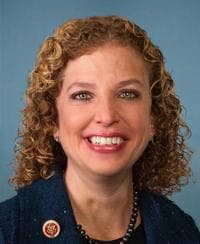
Debbie Wasserman Schultz
Democratic Representative
Florida
Cosponsors (32)
Kim Schrier (Democratic)April McClain Delaney (Democratic)Jonathan L. Jackson (Democratic)Gilbert Ray Cisneros (Democratic)Shomari Figures (Democratic)Mark Pocan (Democratic)Zachary Nunn (Republican)Mariannette Miller-Meeks (Republican)Frederica S. Wilson (Democratic)Debbie Dingell (Democratic)Madeleine Dean (Democratic)Steve Cohen (Democratic)Paul Tonko (Democratic)Don Bacon (Republican)André Carson (Democratic)Doris O. Matsui (Democratic)Hillary J. Scholten (Democratic)Daniel S. Goldman (Democratic)Jahana Hayes (Democratic)Adelita S. Grijalva (Democratic)Nicholas A. Langworthy (Republican)Eleanor Holmes Norton (Democratic)Lateefah Simon (Democratic)Timothy M. Kennedy (Democratic)Sarah McBride (Democratic)Brian K. Fitzpatrick (Republican)Suzanne Bonamici (Democratic)Burgess Owens (Republican)Josh Gottheimer (Democratic)Nanette Diaz Barragán (Democratic)Jennifer A. Kiggans (Republican)Vern Buchanan (Republican)
Ways and Means Committee, Energy and Commerce Committee
- Introduced
- In Committee
- On Floor
- Passed Chamber
- Enacted
This bill, known as the "Reducing Hereditary Cancer Act," aims to significantly expand Medicare coverage for services related to hereditary cancer. Its primary goal is to improve early detection and prevention for individuals at high risk due to genetic predispositions. Specifically, the legislation mandates Medicare coverage for germline mutation genetic testing for individuals with a personal or family history of a hereditary cancer gene mutation, or a history otherwise suspicious for hereditary cancer. This testing must adhere to evidence-based clinical practice guidelines developed by nationally recognized oncology professional organizations, with the least restrictive guidelines applying in cases of conflict. Furthermore, the bill requires Medicare to cover certain risk-reducing surgeries for individuals with inherited mutations where such surgery would reduce the risk of developing cancer, based on established clinical guidelines. It also increases the frequency limitations for evidence-based cancer screenings , such as mammography and colonoscopy, for individuals identified with a hereditary cancer gene mutation, ensuring they receive screenings at least annually or as recommended by guidelines.
Suggested Questions
Get AI-generated questions to help you understand this bill better
Timeline
Introduced in House
Referred to the Committee on Energy and Commerce, and in addition to the Committee on Ways and Means, for a period to be subsequently determined by the Speaker, in each case for consideration of such provisions as fall within the jurisdiction of the committee concerned.
Health
Reducing Hereditary Cancer Act
USA119th CongressHR-4752| House
| Updated: 7/23/2025
This bill, known as the "Reducing Hereditary Cancer Act," aims to significantly expand Medicare coverage for services related to hereditary cancer. Its primary goal is to improve early detection and prevention for individuals at high risk due to genetic predispositions. Specifically, the legislation mandates Medicare coverage for germline mutation genetic testing for individuals with a personal or family history of a hereditary cancer gene mutation, or a history otherwise suspicious for hereditary cancer. This testing must adhere to evidence-based clinical practice guidelines developed by nationally recognized oncology professional organizations, with the least restrictive guidelines applying in cases of conflict. Furthermore, the bill requires Medicare to cover certain risk-reducing surgeries for individuals with inherited mutations where such surgery would reduce the risk of developing cancer, based on established clinical guidelines. It also increases the frequency limitations for evidence-based cancer screenings , such as mammography and colonoscopy, for individuals identified with a hereditary cancer gene mutation, ensuring they receive screenings at least annually or as recommended by guidelines.
Suggested Questions
Get AI-generated questions to help you understand this bill better
Timeline
Introduced in House
Referred to the Committee on Energy and Commerce, and in addition to the Committee on Ways and Means, for a period to be subsequently determined by the Speaker, in each case for consideration of such provisions as fall within the jurisdiction of the committee concerned.
Debbie Wasserman Schultz
Democratic Representative
Florida
Cosponsors (32)
Kim Schrier (Democratic)April McClain Delaney (Democratic)Jonathan L. Jackson (Democratic)Gilbert Ray Cisneros (Democratic)Shomari Figures (Democratic)Mark Pocan (Democratic)Zachary Nunn (Republican)Mariannette Miller-Meeks (Republican)Frederica S. Wilson (Democratic)Debbie Dingell (Democratic)Madeleine Dean (Democratic)Steve Cohen (Democratic)Paul Tonko (Democratic)Don Bacon (Republican)André Carson (Democratic)Doris O. Matsui (Democratic)Hillary J. Scholten (Democratic)Daniel S. Goldman (Democratic)Jahana Hayes (Democratic)Adelita S. Grijalva (Democratic)Nicholas A. Langworthy (Republican)Eleanor Holmes Norton (Democratic)Lateefah Simon (Democratic)Timothy M. Kennedy (Democratic)Sarah McBride (Democratic)Brian K. Fitzpatrick (Republican)Suzanne Bonamici (Democratic)Burgess Owens (Republican)Josh Gottheimer (Democratic)Nanette Diaz Barragán (Democratic)Jennifer A. Kiggans (Republican)Vern Buchanan (Republican)
Ways and Means Committee, Energy and Commerce Committee
Health
Related Bills
- Introduced
- In Committee
- On Floor
- Passed Chamber
- Enacted