Debt Ceiling Reform Act
USA119th CongressHR-4634| House
| Updated: 7/23/2025
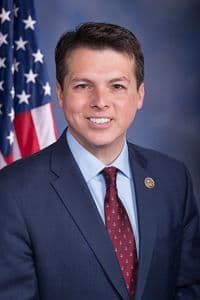
Brendan F. Boyle
Democratic Representative
Pennsylvania
Ways and Means Committee, Rules Committee, Budget Committee
- Introduced
- In Committee
- On Floor
- Passed Chamber
- Enacted
This legislation, titled the "Debt Ceiling Reform Act," establishes a structured process to prevent the United States from defaulting on its financial obligations. It introduces a mechanism where the Secretary of the Treasury can initiate a suspension of the statutory debt limit for up to two years. This process aims to ensure the government can meet its existing commitments without repeated, contentious debates over raising the debt ceiling. Under the proposed system, the Secretary of the Treasury would submit a written certification to Congress, stating that further borrowing is necessary. Congress would then have a 45-day window to consider a specific joint resolution of disapproval . If this disapproval resolution is not enacted within the 45-day period, the debt ceiling is automatically suspended for the duration specified by the Secretary. The bill includes detailed expedited procedures for the consideration of the joint resolution of disapproval in both the House and Senate, designed to ensure a swift vote by limiting debate and preventing amendments. If the suspension takes effect, the debt limit will be increased at the end of the suspension period to accommodate the obligations incurred. During this suspension, the Treasury is prohibited from building excessive cash reserves, and all obligations must be necessary to fund existing commitments. The President's annual budget submission will also be required to include estimates of public debt as a percentage of the gross domestic product.
View Full TextSuggested Questions
Get AI-generated questions to help you understand this bill better
Timeline
Introduced in House
Referred to the Committee on Ways and Means, and in addition to the Committees on Rules, and the Budget, for a period to be subsequently determined by the Speaker, in each case for consideration of such provisions as fall within the jurisdiction of the committee concerned.
Economics and Public Finance
Debt Ceiling Reform Act
USA119th CongressHR-4634| House
| Updated: 7/23/2025
This legislation, titled the "Debt Ceiling Reform Act," establishes a structured process to prevent the United States from defaulting on its financial obligations. It introduces a mechanism where the Secretary of the Treasury can initiate a suspension of the statutory debt limit for up to two years. This process aims to ensure the government can meet its existing commitments without repeated, contentious debates over raising the debt ceiling. Under the proposed system, the Secretary of the Treasury would submit a written certification to Congress, stating that further borrowing is necessary. Congress would then have a 45-day window to consider a specific joint resolution of disapproval . If this disapproval resolution is not enacted within the 45-day period, the debt ceiling is automatically suspended for the duration specified by the Secretary. The bill includes detailed expedited procedures for the consideration of the joint resolution of disapproval in both the House and Senate, designed to ensure a swift vote by limiting debate and preventing amendments. If the suspension takes effect, the debt limit will be increased at the end of the suspension period to accommodate the obligations incurred. During this suspension, the Treasury is prohibited from building excessive cash reserves, and all obligations must be necessary to fund existing commitments. The President's annual budget submission will also be required to include estimates of public debt as a percentage of the gross domestic product.
View Full TextSuggested Questions
Get AI-generated questions to help you understand this bill better
Timeline
Introduced in House
Referred to the Committee on Ways and Means, and in addition to the Committees on Rules, and the Budget, for a period to be subsequently determined by the Speaker, in each case for consideration of such provisions as fall within the jurisdiction of the committee concerned.
Brendan F. Boyle
Democratic Representative
Pennsylvania
Ways and Means Committee, Rules Committee, Budget Committee
Economics and Public Finance
Related Bills
- Introduced
- In Committee
- On Floor
- Passed Chamber
- Enacted