SEEK HELP Act
USA119th CongressHR-4607| House
| Updated: 7/22/2025
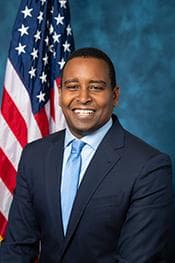
Joe Neguse
Democratic Representative
Colorado
Cosponsors (6)
Judiciary Committee, Energy and Commerce Committee
- Introduced
- In Committee
- On Floor
- Passed Chamber
- Enacted
This bill, known as the SEEK HELP Act, aims to reduce overdose fatalities by encouraging individuals to seek medical assistance without fear of legal repercussions. It provides crucial criminal liability protections for individuals who, in good faith and a timely manner, seek medical assistance for themselves or another person experiencing a drug overdose. These protections shield them from prosecution for controlled substance possession, civil asset forfeiture, or revocation of supervised release, provided the possession is discovered solely due to seeking help. Additionally, the bill offers civil liability protections to individuals who administer an opioid overdose reversal drug, such as naloxone, in an emergency and in good faith. These civil protections do not apply in cases of willful or criminal misconduct, gross negligence, or reckless behavior. The legislation clarifies that these federal civil protections supersede state law only if the state does not already provide similar immunity. To ensure public awareness, the Secretary of Health and Human Services, in consultation with the DEA, is directed to conduct a public awareness campaign regarding these new liability protections. Furthermore, the bill amends existing law to allow Justice Assistance Grant (JAG) funds to be used for training law enforcement officers on these legal protections for individuals seeking overdose assistance. States receiving substance abuse prevention and treatment block grants can also use these funds for public awareness campaigns, training, and data sharing related to overdose Good Samaritan laws. Finally, the bill mandates a comprehensive report from the Comptroller General of the United States within two years of enactment. This report will evaluate the implementation and effectiveness of Good Samaritan laws for drug overdose, assess their impact on overdose-related fatalities and emergency visits, and analyze the effectiveness of grant funding for awareness campaigns. It will also identify barriers to implementation and recommend improvements for these life-saving measures.
View Full TextSuggested Questions
Get AI-generated questions to help you understand this bill better
Timeline
Introduced in House
Referred to the Committee on the Judiciary, and in addition to the Committee on Energy and Commerce, for a period to be subsequently determined by the Speaker, in each case for consideration of such provisions as fall within the jurisdiction of the committee concerned.
Crime and Law Enforcement
SEEK HELP Act
USA119th CongressHR-4607| House
| Updated: 7/22/2025
This bill, known as the SEEK HELP Act, aims to reduce overdose fatalities by encouraging individuals to seek medical assistance without fear of legal repercussions. It provides crucial criminal liability protections for individuals who, in good faith and a timely manner, seek medical assistance for themselves or another person experiencing a drug overdose. These protections shield them from prosecution for controlled substance possession, civil asset forfeiture, or revocation of supervised release, provided the possession is discovered solely due to seeking help. Additionally, the bill offers civil liability protections to individuals who administer an opioid overdose reversal drug, such as naloxone, in an emergency and in good faith. These civil protections do not apply in cases of willful or criminal misconduct, gross negligence, or reckless behavior. The legislation clarifies that these federal civil protections supersede state law only if the state does not already provide similar immunity. To ensure public awareness, the Secretary of Health and Human Services, in consultation with the DEA, is directed to conduct a public awareness campaign regarding these new liability protections. Furthermore, the bill amends existing law to allow Justice Assistance Grant (JAG) funds to be used for training law enforcement officers on these legal protections for individuals seeking overdose assistance. States receiving substance abuse prevention and treatment block grants can also use these funds for public awareness campaigns, training, and data sharing related to overdose Good Samaritan laws. Finally, the bill mandates a comprehensive report from the Comptroller General of the United States within two years of enactment. This report will evaluate the implementation and effectiveness of Good Samaritan laws for drug overdose, assess their impact on overdose-related fatalities and emergency visits, and analyze the effectiveness of grant funding for awareness campaigns. It will also identify barriers to implementation and recommend improvements for these life-saving measures.
View Full TextSuggested Questions
Get AI-generated questions to help you understand this bill better
Timeline
Introduced in House
Referred to the Committee on the Judiciary, and in addition to the Committee on Energy and Commerce, for a period to be subsequently determined by the Speaker, in each case for consideration of such provisions as fall within the jurisdiction of the committee concerned.
Joe Neguse
Democratic Representative
Colorado
Cosponsors (6)
Judiciary Committee, Energy and Commerce Committee
Crime and Law Enforcement
- Introduced
- In Committee
- On Floor
- Passed Chamber
- Enacted