Price Gouging Prevention Act of 2025
USA119th CongressHR-4528| House
| Updated: 7/17/2025
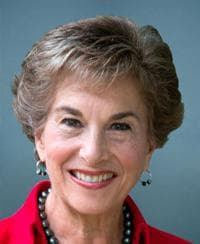
Janice D. Schakowsky
Democratic Representative
Illinois
Cosponsors (20)
Yassamin Ansari (Democratic)Jonathan L. Jackson (Democratic)Christopher R. Deluzio (Democratic)Ilhan Omar (Democratic)Paul Tonko (Democratic)Angie Craig (Democratic)Rosa L. DeLauro (Democratic)Greg Casar (Democratic)Ro Khanna (Democratic)Henry C. "Hank" Johnson (Democratic)Jerrold Nadler (Democratic)Pramila Jayapal (Democratic)Eleanor Holmes Norton (Democratic)Sharice Davids (Democratic)Mary Gay Scanlon (Democratic)Maggie Goodlander (Democratic)Valerie P. Foushee (Democratic)Rashida Tlaib (Democratic)Veronica Escobar (Democratic)Judy Chu (Democratic)
Financial Services Committee, Energy and Commerce Committee
- Introduced
- In Committee
- On Floor
- Passed Chamber
- Enacted
The Price Gouging Prevention Act of 2025 aims to prohibit the sale of goods or services at a grossly excessive price , especially during periods of market instability. It defines an exceptional market shock broadly, encompassing events like natural disasters, energy shortages, public health emergencies, or declared national disasters. The Federal Trade Commission (FTC) is tasked with defining what constitutes a "grossly excessive price," potentially considering prices 120 percent or more above the average price from the preceding six months. A person is presumed to be in violation during an exceptional market shock if they possess unfair leverage or use the market shock as a pretext to raise prices, selling at an excessive rate compared to pre-shock or competitor prices. Unfair leverage is characterized by factors such as high gross revenue (over $1 billion), discriminatory pricing, being a critical trading partner, or holding a dominant market position. However, smaller entities with less than $100 million in gross revenue have an affirmative defense if price increases are due to uncontrollable, incurred costs, and any presumed violation can be rebutted with clear evidence of such cost increases. The bill significantly expands the Federal Trade Commission's authority to enforce these provisions, treating violations as unfair or deceptive acts. The FTC can now seek permanent injunctions, civil penalties, damages, restitution, and other equitable relief. Civil penalties can be substantial, reaching up to 5 percent of an ultimate parent entity's revenue for those with unfair leverage. The FTC is also mandated to issue rules and guidelines to clarify key definitions and enforcement parameters. Furthermore, State Attorneys General are empowered to bring civil actions against violators, with provisions for notifying and allowing intervention by the FTC. The legislation also introduces new disclosure requirements for certain companies, known as covered issuers , in their SEC filings following an exceptional market shock. These disclosures must detail changes in sales volume, average prices, gross margins, cost changes, and provide a narrative explanation of their pricing strategy. To support these new responsibilities, the bill appropriates $1 billion to the FTC for fiscal year 2025.
View Full TextSuggested Questions
Get AI-generated questions to help you understand this bill better
Timeline
Introduced in House
Referred to the Committee on Energy and Commerce, and in addition to the Committee on Financial Services, for a period to be subsequently determined by the Speaker, in each case for consideration of such provisions as fall within the jurisdiction of the committee concerned.
Commerce
Price Gouging Prevention Act of 2025
USA119th CongressHR-4528| House
| Updated: 7/17/2025
The Price Gouging Prevention Act of 2025 aims to prohibit the sale of goods or services at a grossly excessive price , especially during periods of market instability. It defines an exceptional market shock broadly, encompassing events like natural disasters, energy shortages, public health emergencies, or declared national disasters. The Federal Trade Commission (FTC) is tasked with defining what constitutes a "grossly excessive price," potentially considering prices 120 percent or more above the average price from the preceding six months. A person is presumed to be in violation during an exceptional market shock if they possess unfair leverage or use the market shock as a pretext to raise prices, selling at an excessive rate compared to pre-shock or competitor prices. Unfair leverage is characterized by factors such as high gross revenue (over $1 billion), discriminatory pricing, being a critical trading partner, or holding a dominant market position. However, smaller entities with less than $100 million in gross revenue have an affirmative defense if price increases are due to uncontrollable, incurred costs, and any presumed violation can be rebutted with clear evidence of such cost increases. The bill significantly expands the Federal Trade Commission's authority to enforce these provisions, treating violations as unfair or deceptive acts. The FTC can now seek permanent injunctions, civil penalties, damages, restitution, and other equitable relief. Civil penalties can be substantial, reaching up to 5 percent of an ultimate parent entity's revenue for those with unfair leverage. The FTC is also mandated to issue rules and guidelines to clarify key definitions and enforcement parameters. Furthermore, State Attorneys General are empowered to bring civil actions against violators, with provisions for notifying and allowing intervention by the FTC. The legislation also introduces new disclosure requirements for certain companies, known as covered issuers , in their SEC filings following an exceptional market shock. These disclosures must detail changes in sales volume, average prices, gross margins, cost changes, and provide a narrative explanation of their pricing strategy. To support these new responsibilities, the bill appropriates $1 billion to the FTC for fiscal year 2025.
View Full TextSuggested Questions
Get AI-generated questions to help you understand this bill better
Timeline
Introduced in House
Referred to the Committee on Energy and Commerce, and in addition to the Committee on Financial Services, for a period to be subsequently determined by the Speaker, in each case for consideration of such provisions as fall within the jurisdiction of the committee concerned.
Janice D. Schakowsky
Democratic Representative
Illinois
Cosponsors (20)
Yassamin Ansari (Democratic)Jonathan L. Jackson (Democratic)Christopher R. Deluzio (Democratic)Ilhan Omar (Democratic)Paul Tonko (Democratic)Angie Craig (Democratic)Rosa L. DeLauro (Democratic)Greg Casar (Democratic)Ro Khanna (Democratic)Henry C. "Hank" Johnson (Democratic)Jerrold Nadler (Democratic)Pramila Jayapal (Democratic)Eleanor Holmes Norton (Democratic)Sharice Davids (Democratic)Mary Gay Scanlon (Democratic)Maggie Goodlander (Democratic)Valerie P. Foushee (Democratic)Rashida Tlaib (Democratic)Veronica Escobar (Democratic)Judy Chu (Democratic)
Financial Services Committee, Energy and Commerce Committee
Commerce
Related Bills
- Introduced
- In Committee
- On Floor
- Passed Chamber
- Enacted