Healing Partnerships for Survivors Act
USA119th CongressHR-4510| House
| Updated: 7/17/2025
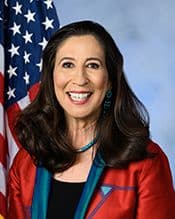
Teresa Leger Fernandez
Democratic Representative
New Mexico
Cosponsors (10)
Education and Workforce Committee
- Introduced
- In Committee
- On Floor
- Passed Chamber
- Enacted
The "Healing Partnerships for Survivors Act" proposes to amend the Family Violence Prevention and Services Act by establishing a new grant program. This program aims to strengthen relationships between health and wellness providers, behavioral health programs, disability programs, and community-based sexual assault programs. The primary objective is to develop and implement trauma-informed, culturally relevant partnerships, training, and services to improve the comprehensive response for sexual assault survivors across their lifespan , including adult survivors of childhood sexual abuse. Eligible entities for these grants include State, territorial, and tribal sexual assault coalitions, as well as nonprofit community-based sexual assault programs and Indian tribes. Funds can be used for various activities such as providing direct services like screening, therapy, substance-use services, and temporary housing assistance. Grantees must also provide support for survivors receiving healthcare and offer training for staff and partners. The bill authorizes $30,000,000 annually for fiscal years 2026 through 2030 for these grants, with a portion dedicated to technical assistance and training for grantees, while ensuring victim privacy and confidentiality.
View Full TextSuggested Questions
Get AI-generated questions to help you understand this bill better
Timeline
Introduced in House
Referred to the House Committee on Education and Workforce.
Health
Healing Partnerships for Survivors Act
USA119th CongressHR-4510| House
| Updated: 7/17/2025
The "Healing Partnerships for Survivors Act" proposes to amend the Family Violence Prevention and Services Act by establishing a new grant program. This program aims to strengthen relationships between health and wellness providers, behavioral health programs, disability programs, and community-based sexual assault programs. The primary objective is to develop and implement trauma-informed, culturally relevant partnerships, training, and services to improve the comprehensive response for sexual assault survivors across their lifespan , including adult survivors of childhood sexual abuse. Eligible entities for these grants include State, territorial, and tribal sexual assault coalitions, as well as nonprofit community-based sexual assault programs and Indian tribes. Funds can be used for various activities such as providing direct services like screening, therapy, substance-use services, and temporary housing assistance. Grantees must also provide support for survivors receiving healthcare and offer training for staff and partners. The bill authorizes $30,000,000 annually for fiscal years 2026 through 2030 for these grants, with a portion dedicated to technical assistance and training for grantees, while ensuring victim privacy and confidentiality.
View Full TextSuggested Questions
Get AI-generated questions to help you understand this bill better
Timeline
Introduced in House
Referred to the House Committee on Education and Workforce.
Teresa Leger Fernandez
Democratic Representative
New Mexico
Cosponsors (10)
Education and Workforce Committee
Health
Related Bills
- Introduced
- In Committee
- On Floor
- Passed Chamber
- Enacted