Export Controls Enforcement Act
USA119th CongressHR-4505| House
| Updated: 4/22/2026
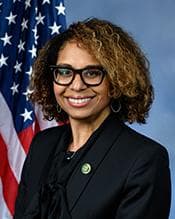
Sydney Kamlager-Dove
Democratic Representative
California
Cosponsors (12)
Gabe Amo (Democratic)Ted Lieu (Democratic)Greg Stanton (Democratic)Jefferson Shreve (Republican)Gregory W. Meeks (Democratic)Raja Krishnamoorthi (Democratic)Ami Bera (Democratic)Brad Sherman (Democratic)Jamie Raskin (Democratic)Aumua Amata Coleman Radewagen (Republican)Bill Huizenga (Republican)Michael Lawler (Republican)
Foreign Affairs Committee
- Introduced
- In Committee
- On Floor
- Passed Chamber
- Enacted
This bill, titled the Export Controls Enforcement Act, aims to strengthen the enforcement of United States export controls by significantly increasing the number of export control officers stationed abroad. It mandates the Secretary of Commerce, through the Under Secretary for Industry and Security, to establish an Export Control Officer Program within 90 days of enactment. This program will station a minimum of 20 export control officers at U.S. diplomatic or consular posts for a period of five years, a substantial increase from the current 11 officers covering numerous countries. A dedicated Program Director will oversee the hiring and strategic placement of these officers to ensure comprehensive global coverage. The officers' primary duties will include managing and conducting end-use checks to verify compliance and prevent diversion of controlled items, advising U.S. diplomatic posts on export control policies, and performing industry outreach. They will also liaise with foreign governments to enhance cooperation and share information with the Bureau of Industry and Security regarding enforcement challenges and trends, ultimately improving the effectiveness of U.S. export control policies.
Suggested Questions
Get AI-generated questions to help you understand this bill better
Timeline
Introduced in House
Referred to the House Committee on Foreign Affairs.
Ordered to be Reported in the Nature of a Substitute by the Yeas and Nays: 41 - 3.
Committee Consideration and Mark-up Session Held
Foreign Trade and International Finance
Department of CommerceDiplomacy, foreign officials, Americans abroadEmployee hiringFederal officialsGovernment employee pay, benefits, personnel managementTrade restrictions
Export Controls Enforcement Act
USA119th CongressHR-4505| House
| Updated: 4/22/2026
This bill, titled the Export Controls Enforcement Act, aims to strengthen the enforcement of United States export controls by significantly increasing the number of export control officers stationed abroad. It mandates the Secretary of Commerce, through the Under Secretary for Industry and Security, to establish an Export Control Officer Program within 90 days of enactment. This program will station a minimum of 20 export control officers at U.S. diplomatic or consular posts for a period of five years, a substantial increase from the current 11 officers covering numerous countries. A dedicated Program Director will oversee the hiring and strategic placement of these officers to ensure comprehensive global coverage. The officers' primary duties will include managing and conducting end-use checks to verify compliance and prevent diversion of controlled items, advising U.S. diplomatic posts on export control policies, and performing industry outreach. They will also liaise with foreign governments to enhance cooperation and share information with the Bureau of Industry and Security regarding enforcement challenges and trends, ultimately improving the effectiveness of U.S. export control policies.
Suggested Questions
Get AI-generated questions to help you understand this bill better
Timeline
Introduced in House
Referred to the House Committee on Foreign Affairs.
Ordered to be Reported in the Nature of a Substitute by the Yeas and Nays: 41 - 3.
Committee Consideration and Mark-up Session Held
Sydney Kamlager-Dove
Democratic Representative
California
Cosponsors (12)
Gabe Amo (Democratic)Ted Lieu (Democratic)Greg Stanton (Democratic)Jefferson Shreve (Republican)Gregory W. Meeks (Democratic)Raja Krishnamoorthi (Democratic)Ami Bera (Democratic)Brad Sherman (Democratic)Jamie Raskin (Democratic)Aumua Amata Coleman Radewagen (Republican)Bill Huizenga (Republican)Michael Lawler (Republican)
Foreign Affairs Committee
Foreign Trade and International Finance
- Introduced
- In Committee
- On Floor
- Passed Chamber
- Enacted
Department of CommerceDiplomacy, foreign officials, Americans abroadEmployee hiringFederal officialsGovernment employee pay, benefits, personnel managementTrade restrictions