Stop NOAA Closures Act
USA119th CongressHR-4482| House
| Updated: 7/18/2025
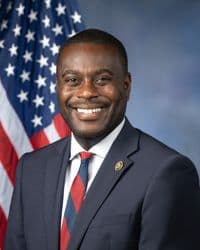
Gabe Amo
Democratic Representative
Rhode Island
Cosponsors (83)
Dwight Evans (Democratic)Kim Schrier (Democratic)Stacey E. Plaskett (Democratic)April McClain Delaney (Democratic)Yassamin Ansari (Democratic)Marcy Kaptur (Democratic)Becca Balint (Democratic)Laura Friedman (Democratic)John Garamendi (Democratic)Sylvia R. Garcia (Democratic)Jared Huffman (Democratic)Ritchie Torres (Democratic)Ed Case (Democratic)Emanuel Cleaver (Democratic)Greg Landsman (Democratic)Pablo Jose Hernández (Democratic)Juan Vargas (Democratic)James R. Walkinshaw (Democratic)Troy A. Carter (Democratic)Jimmy Panetta (Democratic)Maxine Dexter (Democratic)J. Luis Correa (Democratic)Dina Titus (Democratic)Maxwell Frost (Democratic)Debbie Dingell (Democratic)Steve Cohen (Democratic)Sarah Elfreth (Democratic)Andrea Salinas (Democratic)Paul Tonko (Democratic)Haley M. Stevens (Democratic)Adriano Espaillat (Democratic)Danny K. Davis (Democratic)Greg Stanton (Democratic)George Latimer (Democratic)Henry C. "Hank" Johnson (Democratic)Sheila Cherfilus-McCormick (Democratic)John B. Larson (Democratic)Stephen F. Lynch (Democratic)Jill N. Tokuda (Democratic)Emilia Strong Sykes (Democratic)Glenn Ivey (Democratic)Sara Jacobs (Democratic)Marilyn Strickland (Democratic)Suhas Subramanyam (Democratic)Raja Krishnamoorthi (Democratic)LaMonica McIver (Democratic)Brittany Pettersen (Democratic)Mark Takano (Democratic)Pramila Jayapal (Democratic)Kathy Castor (Democratic)Eleanor Holmes Norton (Democratic)Bonnie Watson Coleman (Democratic)Mary Gay Scanlon (Democratic)Wesley Bell (Democratic)Lateefah Simon (Democratic)Timothy M. Kennedy (Democratic)Salud O. Carbajal (Democratic)Jim Costa (Democratic)Joe Neguse (Democratic)Lois Frankel (Democratic)Donald S. Beyer (Democratic)Eric Sorensen (Democratic)Janice D. Schakowsky (Democratic)Adam Smith (Democratic)Nydia M. Velázquez (Democratic)Julia Brownley (Democratic)William R. Keating (Democratic)Cleo Fields (Democratic)Seth Magaziner (Democratic)Sarah McBride (Democratic)Yvette D. Clarke (Democratic)Deborah K. Ross (Democratic)Suzanne Bonamici (Democratic)Lizzie Fletcher (Democratic)Emily Randall (Democratic)Zoe Lofgren (Democratic)Nanette Diaz Barragán (Democratic)Kevin Mullin (Democratic)Frank Pallone (Democratic)Valerie P. Foushee (Democratic)Rashida Tlaib (Democratic)Debbie Wasserman Schultz (Democratic)Judy Chu (Democratic)
Transportation and Infrastructure Committee, Economic Development, Public Buildings, and Emergency Management Subcommittee, Science, Space, and Technology Committee, Natural Resources Committee
- Introduced
- In Committee
- On Floor
- Passed Chamber
- Enacted
This bill, titled the "Stop NOAA Closures Act," establishes a moratorium on actions that would limit access to facilities of the National Oceanic and Atmospheric Administration (NOAA). Specifically, it prohibits the Secretary of Commerce, the NOAA Administrator, or the Administrator of General Services from closing, suspending, terminating leases of, ceasing construction of, consolidating, or otherwise imposing any new limitation on access to NOAA facilities. This broad prohibition aims to prevent disruptions to NOAA's operations and infrastructure. An exception to this moratorium allows for temporary actions in response to emergencies that pose an immediate threat to the health or safety of NOAA personnel. The moratorium is not indefinite; it will cease to be effective 180 days after a comprehensive report is submitted to specific congressional committees. This report, due no earlier than January 21, 2029, must jointly outline and justify the process for selecting any facility for closure or other limiting actions, including an analysis of criteria and a detailed cost-benefit analysis . The required cost-benefit analysis must consider anticipated savings, the costs associated with replacing lost services, and the anticipated impact on NOAA's overall services. Following the cessation of the initial moratorium, the bill mandates that any future actions to close, suspend, or limit access to NOAA facilities will require a 30-day prior notification. This notification must also be a joint report to Congress, detailing the justification and analysis for such decisions, ensuring continued oversight and transparency.
View Full TextSuggested Questions
Get AI-generated questions to help you understand this bill better
Timeline
Introduced in House
Referred to the Committee on Natural Resources, and in addition to the Committees on Science, Space, and Technology, and Transportation and Infrastructure, for a period to be subsequently determined by the Speaker, in each case for consideration of such provisions as fall within the jurisdiction of the committee concerned.
Referred to the Subcommittee on Economic Development, Public Buildings, and Emergency Management.
Government Operations and Politics
Stop NOAA Closures Act
USA119th CongressHR-4482| House
| Updated: 7/18/2025
This bill, titled the "Stop NOAA Closures Act," establishes a moratorium on actions that would limit access to facilities of the National Oceanic and Atmospheric Administration (NOAA). Specifically, it prohibits the Secretary of Commerce, the NOAA Administrator, or the Administrator of General Services from closing, suspending, terminating leases of, ceasing construction of, consolidating, or otherwise imposing any new limitation on access to NOAA facilities. This broad prohibition aims to prevent disruptions to NOAA's operations and infrastructure. An exception to this moratorium allows for temporary actions in response to emergencies that pose an immediate threat to the health or safety of NOAA personnel. The moratorium is not indefinite; it will cease to be effective 180 days after a comprehensive report is submitted to specific congressional committees. This report, due no earlier than January 21, 2029, must jointly outline and justify the process for selecting any facility for closure or other limiting actions, including an analysis of criteria and a detailed cost-benefit analysis . The required cost-benefit analysis must consider anticipated savings, the costs associated with replacing lost services, and the anticipated impact on NOAA's overall services. Following the cessation of the initial moratorium, the bill mandates that any future actions to close, suspend, or limit access to NOAA facilities will require a 30-day prior notification. This notification must also be a joint report to Congress, detailing the justification and analysis for such decisions, ensuring continued oversight and transparency.
View Full TextSuggested Questions
Get AI-generated questions to help you understand this bill better
Timeline
Introduced in House
Referred to the Committee on Natural Resources, and in addition to the Committees on Science, Space, and Technology, and Transportation and Infrastructure, for a period to be subsequently determined by the Speaker, in each case for consideration of such provisions as fall within the jurisdiction of the committee concerned.
Referred to the Subcommittee on Economic Development, Public Buildings, and Emergency Management.
Gabe Amo
Democratic Representative
Rhode Island
Cosponsors (83)
Dwight Evans (Democratic)Kim Schrier (Democratic)Stacey E. Plaskett (Democratic)April McClain Delaney (Democratic)Yassamin Ansari (Democratic)Marcy Kaptur (Democratic)Becca Balint (Democratic)Laura Friedman (Democratic)John Garamendi (Democratic)Sylvia R. Garcia (Democratic)Jared Huffman (Democratic)Ritchie Torres (Democratic)Ed Case (Democratic)Emanuel Cleaver (Democratic)Greg Landsman (Democratic)Pablo Jose Hernández (Democratic)Juan Vargas (Democratic)James R. Walkinshaw (Democratic)Troy A. Carter (Democratic)Jimmy Panetta (Democratic)Maxine Dexter (Democratic)J. Luis Correa (Democratic)Dina Titus (Democratic)Maxwell Frost (Democratic)Debbie Dingell (Democratic)Steve Cohen (Democratic)Sarah Elfreth (Democratic)Andrea Salinas (Democratic)Paul Tonko (Democratic)Haley M. Stevens (Democratic)Adriano Espaillat (Democratic)Danny K. Davis (Democratic)Greg Stanton (Democratic)George Latimer (Democratic)Henry C. "Hank" Johnson (Democratic)Sheila Cherfilus-McCormick (Democratic)John B. Larson (Democratic)Stephen F. Lynch (Democratic)Jill N. Tokuda (Democratic)Emilia Strong Sykes (Democratic)Glenn Ivey (Democratic)Sara Jacobs (Democratic)Marilyn Strickland (Democratic)Suhas Subramanyam (Democratic)Raja Krishnamoorthi (Democratic)LaMonica McIver (Democratic)Brittany Pettersen (Democratic)Mark Takano (Democratic)Pramila Jayapal (Democratic)Kathy Castor (Democratic)Eleanor Holmes Norton (Democratic)Bonnie Watson Coleman (Democratic)Mary Gay Scanlon (Democratic)Wesley Bell (Democratic)Lateefah Simon (Democratic)Timothy M. Kennedy (Democratic)Salud O. Carbajal (Democratic)Jim Costa (Democratic)Joe Neguse (Democratic)Lois Frankel (Democratic)Donald S. Beyer (Democratic)Eric Sorensen (Democratic)Janice D. Schakowsky (Democratic)Adam Smith (Democratic)Nydia M. Velázquez (Democratic)Julia Brownley (Democratic)William R. Keating (Democratic)Cleo Fields (Democratic)Seth Magaziner (Democratic)Sarah McBride (Democratic)Yvette D. Clarke (Democratic)Deborah K. Ross (Democratic)Suzanne Bonamici (Democratic)Lizzie Fletcher (Democratic)Emily Randall (Democratic)Zoe Lofgren (Democratic)Nanette Diaz Barragán (Democratic)Kevin Mullin (Democratic)Frank Pallone (Democratic)Valerie P. Foushee (Democratic)Rashida Tlaib (Democratic)Debbie Wasserman Schultz (Democratic)Judy Chu (Democratic)
Transportation and Infrastructure Committee, Economic Development, Public Buildings, and Emergency Management Subcommittee, Science, Space, and Technology Committee, Natural Resources Committee
Government Operations and Politics
- Introduced
- In Committee
- On Floor
- Passed Chamber
- Enacted