CBP Workload Staffing Model Act
USA119th CongressHR-434| House
| Updated: 1/15/2025
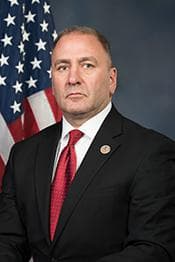
Clay Higgins
Republican Representative
Louisiana
Homeland Security Committee, Border Security and Enforcement Subcommittee
- Introduced
- In Committee
- On Floor
- Passed Chamber
- Enacted
This bill, known as the "CBP Workload Staffing Model Act," mandates the Commissioner of U.S. Customs and Border Protection to develop and implement comprehensive workload staffing models for the U.S. Border Patrol and Air and Marine Operations within one year. These models are intended to improve the identification of staffing needs and ensure adequate personnel resources for frontline operations. The legislation requires the staffing models to consider essential frontline activities, diverse operating environments, existing and planned infrastructure and technology, and necessary operations support levels. It also directs the establishment of a workforce tracking system with standard operating procedures, training, and internal controls for accurate reporting of work hours across the U.S. Border Patrol, Air and Marine Operations, and the Office of Field Operations. The Secretary of Homeland Security must provide annual status updates to Congress on the implementation of these models, including data sources and methodology. Additionally, the Department of Homeland Security's Inspector General will review the developed staffing models, offering feedback and recommendations to Congress and the Secretary, particularly in response to previous Inspector General audits.
Suggested Questions
Get AI-generated questions to help you understand this bill better
Timeline
Introduced in House
Referred to the Subcommittee on Border Security and Enforcement.
Referred to the House Committee on Homeland Security.
Government Operations and Politics
Border security and unlawful immigrationCongressional oversightExecutive agency funding and structureGovernment employee pay, benefits, personnel managementGovernment information and archives
CBP Workload Staffing Model Act
USA119th CongressHR-434| House
| Updated: 1/15/2025
This bill, known as the "CBP Workload Staffing Model Act," mandates the Commissioner of U.S. Customs and Border Protection to develop and implement comprehensive workload staffing models for the U.S. Border Patrol and Air and Marine Operations within one year. These models are intended to improve the identification of staffing needs and ensure adequate personnel resources for frontline operations. The legislation requires the staffing models to consider essential frontline activities, diverse operating environments, existing and planned infrastructure and technology, and necessary operations support levels. It also directs the establishment of a workforce tracking system with standard operating procedures, training, and internal controls for accurate reporting of work hours across the U.S. Border Patrol, Air and Marine Operations, and the Office of Field Operations. The Secretary of Homeland Security must provide annual status updates to Congress on the implementation of these models, including data sources and methodology. Additionally, the Department of Homeland Security's Inspector General will review the developed staffing models, offering feedback and recommendations to Congress and the Secretary, particularly in response to previous Inspector General audits.
Suggested Questions
Get AI-generated questions to help you understand this bill better
Timeline
Introduced in House
Referred to the Subcommittee on Border Security and Enforcement.
Referred to the House Committee on Homeland Security.
Clay Higgins
Republican Representative
Louisiana
Homeland Security Committee, Border Security and Enforcement Subcommittee
Government Operations and Politics
- Introduced
- In Committee
- On Floor
- Passed Chamber
- Enacted
Border security and unlawful immigrationCongressional oversightExecutive agency funding and structureGovernment employee pay, benefits, personnel managementGovernment information and archives