Tiananmen Massacre Transparency and Accountability Act
USA119th CongressHR-3737| House
| Updated: 6/4/2025
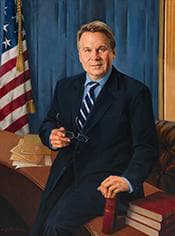
Christopher H. Smith
Republican Representative
New Jersey
Cosponsors (3)
Committee on House Administration, Foreign Affairs Committee, Judiciary Committee
- Introduced
- In Committee
- On Floor
- Passed Chamber
- Enacted
This bill, known as the Tiananmen Massacre Transparency and Accountability Act , seeks to address the Chinese Communist Party's (CCP) extensive efforts to censor and deny the 1989 Tiananmen Square Massacre. Congressional findings detail the CCP's 36-year campaign, which includes banning teaching about the protests, blocking internet content, disappearing figures like "Tank Man," preventing public mourning, and suppressing annual vigils in Hong Kong. The bill highlights the CCP's transnational repression tactics, such as attempting to destroy a memorial sculpture in the U.S. and plotting against a former Tiananmen student leader's political campaign, while never acknowledging the use of excessive force or apologizing for the casualties. The legislation establishes a comprehensive U.S. policy to mark the significance of the 1989 demonstrations and their impact on U.S.-China relations. Key policy objectives include creating strategies to counter CCP censorship and restrictions on information flow, and seeking the release of individuals jailed for participating in Tiananmen Massacre vigils, such as Jimmy Lai. The bill also mandates the use of existing sanctions authorities to hold accountable People's Republic of China (PRC) officials engaged in censorship and transnational repression, particularly those targeting U.S. technology platforms and citizens. Furthermore, the policy aims to protect U.S. citizens and legal residents from intimidation by the PRC government and to pursue criminal prosecutions for transnational repression. It directs the U.S. to raise issues of transparency and censorship in diplomatic exchanges with the PRC and to use its influence at the United Nations to condemn censorship and transnational repression campaigns. Finally, the bill expresses the sense of Congress that the Librarian of Congress should collaborate with relevant organizations to stage in-person and online exhibits showcasing the history of the Tiananmen protests, the stories of survivors, and the enduring legacy of the events on U.S.-PRC relations.
View Full TextSuggested Questions
Get AI-generated questions to help you understand this bill better
Timeline
Introduced in House
Referred to the Committee on Foreign Affairs, and in addition to the Committees on the Judiciary, and House Administration, for a period to be subsequently determined by the Speaker, in each case for consideration of such provisions as fall within the jurisdiction of the committee concerned.
International Affairs
Tiananmen Massacre Transparency and Accountability Act
USA119th CongressHR-3737| House
| Updated: 6/4/2025
This bill, known as the Tiananmen Massacre Transparency and Accountability Act , seeks to address the Chinese Communist Party's (CCP) extensive efforts to censor and deny the 1989 Tiananmen Square Massacre. Congressional findings detail the CCP's 36-year campaign, which includes banning teaching about the protests, blocking internet content, disappearing figures like "Tank Man," preventing public mourning, and suppressing annual vigils in Hong Kong. The bill highlights the CCP's transnational repression tactics, such as attempting to destroy a memorial sculpture in the U.S. and plotting against a former Tiananmen student leader's political campaign, while never acknowledging the use of excessive force or apologizing for the casualties. The legislation establishes a comprehensive U.S. policy to mark the significance of the 1989 demonstrations and their impact on U.S.-China relations. Key policy objectives include creating strategies to counter CCP censorship and restrictions on information flow, and seeking the release of individuals jailed for participating in Tiananmen Massacre vigils, such as Jimmy Lai. The bill also mandates the use of existing sanctions authorities to hold accountable People's Republic of China (PRC) officials engaged in censorship and transnational repression, particularly those targeting U.S. technology platforms and citizens. Furthermore, the policy aims to protect U.S. citizens and legal residents from intimidation by the PRC government and to pursue criminal prosecutions for transnational repression. It directs the U.S. to raise issues of transparency and censorship in diplomatic exchanges with the PRC and to use its influence at the United Nations to condemn censorship and transnational repression campaigns. Finally, the bill expresses the sense of Congress that the Librarian of Congress should collaborate with relevant organizations to stage in-person and online exhibits showcasing the history of the Tiananmen protests, the stories of survivors, and the enduring legacy of the events on U.S.-PRC relations.
View Full TextSuggested Questions
Get AI-generated questions to help you understand this bill better
Timeline
Introduced in House
Referred to the Committee on Foreign Affairs, and in addition to the Committees on the Judiciary, and House Administration, for a period to be subsequently determined by the Speaker, in each case for consideration of such provisions as fall within the jurisdiction of the committee concerned.
Christopher H. Smith
Republican Representative
New Jersey
Cosponsors (3)
Committee on House Administration, Foreign Affairs Committee, Judiciary Committee
International Affairs
- Introduced
- In Committee
- On Floor
- Passed Chamber
- Enacted