Preventing the Abuse of Immigration Parole Act
USA119th CongressHR-3725| House
| Updated: 6/4/2025
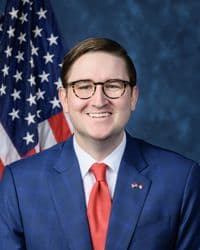
Addison P. McDowell
Republican Representative
North Carolina
Cosponsors (27)
Sheri Biggs (Republican)Doug LaMalfa (Republican)Barry Moore (Republican)David J. Taylor (Republican)Thomas P. Tiffany (Republican)Derek Schmidt (Republican)Brandon Gill (Republican)Rudy Yakym (Republican)Mike Kennedy (Republican)Tony Wied (Republican)Glenn Grothman (Republican)Nicholas A. Langworthy (Republican)Mike Haridopolos (Republican)Lauren Boebert (Republican)Nicholas J. Begich (Republican)Troy Downing (Republican)Abraham J. Hamadeh (Republican)Russell Fry (Republican)Riley M. Moore (Republican)John J. McGuire (Republican)Randy K. Sr. Weber (Republican)Mark Harris (Republican)Virginia Foxx (Republican)Ralph Norman (Republican)Josh Brecheen (Republican)Tim Moore (Republican)Craig A. Goldman (Republican)
Judiciary Committee
- Introduced
- In Committee
- On Floor
- Passed Chamber
- Enacted
This bill, titled the "Preventing the Abuse of Immigration Parole Act," aims to significantly reform the process for granting immigration parole under the Immigration and Nationality Act. It seeks to ensure that parole is granted strictly on a case-by-case basis for urgent humanitarian reasons or a significant public benefit, rather than as a broad mechanism for entry. The legislation explicitly states that parole is not an admission and that paroled individuals must return to custody once the purpose of their parole has been served. The bill introduces several new restrictions on the Secretary of Homeland Security's authority to grant parole. It prohibits the parole of any alien who is a national of a country of concern , unless the Secretary of State issues a specific waiver for that individual. Furthermore, beginning in fiscal year 2029, the total number of aliens granted parole each fiscal year will be capped at 3,000 individuals , a substantial reduction from current levels. To enforce these new limitations, the bill grants state attorneys general, or other authorized state officers, the ability to bring a civil action against the Secretary of Homeland Security. This legal standing is provided if they allege a violation of the case-by-case or purpose limitations that harms the state or its residents, including financial harm exceeding $100. Such actions are to be advanced on the court docket and expedited to the greatest extent practicable.
Suggested Questions
Get AI-generated questions to help you understand this bill better
Timeline
Introduced in House
Referred to the House Committee on the Judiciary.
Immigration
Preventing the Abuse of Immigration Parole Act
USA119th CongressHR-3725| House
| Updated: 6/4/2025
This bill, titled the "Preventing the Abuse of Immigration Parole Act," aims to significantly reform the process for granting immigration parole under the Immigration and Nationality Act. It seeks to ensure that parole is granted strictly on a case-by-case basis for urgent humanitarian reasons or a significant public benefit, rather than as a broad mechanism for entry. The legislation explicitly states that parole is not an admission and that paroled individuals must return to custody once the purpose of their parole has been served. The bill introduces several new restrictions on the Secretary of Homeland Security's authority to grant parole. It prohibits the parole of any alien who is a national of a country of concern , unless the Secretary of State issues a specific waiver for that individual. Furthermore, beginning in fiscal year 2029, the total number of aliens granted parole each fiscal year will be capped at 3,000 individuals , a substantial reduction from current levels. To enforce these new limitations, the bill grants state attorneys general, or other authorized state officers, the ability to bring a civil action against the Secretary of Homeland Security. This legal standing is provided if they allege a violation of the case-by-case or purpose limitations that harms the state or its residents, including financial harm exceeding $100. Such actions are to be advanced on the court docket and expedited to the greatest extent practicable.
Suggested Questions
Get AI-generated questions to help you understand this bill better
Timeline
Introduced in House
Referred to the House Committee on the Judiciary.
Addison P. McDowell
Republican Representative
North Carolina
Cosponsors (27)
Sheri Biggs (Republican)Doug LaMalfa (Republican)Barry Moore (Republican)David J. Taylor (Republican)Thomas P. Tiffany (Republican)Derek Schmidt (Republican)Brandon Gill (Republican)Rudy Yakym (Republican)Mike Kennedy (Republican)Tony Wied (Republican)Glenn Grothman (Republican)Nicholas A. Langworthy (Republican)Mike Haridopolos (Republican)Lauren Boebert (Republican)Nicholas J. Begich (Republican)Troy Downing (Republican)Abraham J. Hamadeh (Republican)Russell Fry (Republican)Riley M. Moore (Republican)John J. McGuire (Republican)Randy K. Sr. Weber (Republican)Mark Harris (Republican)Virginia Foxx (Republican)Ralph Norman (Republican)Josh Brecheen (Republican)Tim Moore (Republican)Craig A. Goldman (Republican)
Judiciary Committee
Immigration
- Introduced
- In Committee
- On Floor
- Passed Chamber
- Enacted