Family Vaccine Protection Act
USA119th CongressHR-3701| House
| Updated: 6/4/2025
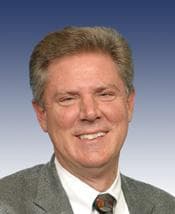
Frank Pallone
Democratic Representative
New Jersey
Cosponsors (79)
Kim Schrier (Democratic)Becca Balint (Democratic)John Garamendi (Democratic)Jonathan L. Jackson (Democratic)Gilbert Ray Cisneros (Democratic)Kelly Morrison (Democratic)Marc A. Veasey (Democratic)Gabe Amo (Democratic)Robin L. Kelly (Democratic)Ritchie Torres (Democratic)Robert Menendez (Democratic)Joyce Beatty (Democratic)Jennifer L. McClellan (Democratic)Christopher R. Deluzio (Democratic)Darren Soto (Democratic)Raul Ruiz (Democratic)Greg Landsman (Democratic)Terri A. Sewell (Democratic)Troy A. Carter (Democratic)Maxine Dexter (Democratic)Debbie Dingell (Democratic)Madeleine Dean (Democratic)Steve Cohen (Democratic)Suzan K. DelBene (Democratic)Scott H. Peters (Democratic)Sarah Elfreth (Democratic)Paul Tonko (Democratic)Angie Craig (Democratic)Frank J. Mrvan (Democratic)Danny K. Davis (Democratic)Jake Auchincloss (Democratic)Ted Lieu (Democratic)George Latimer (Democratic)Henry C. "Hank" Johnson (Democratic)Nikki Budzinski (Democratic)John B. Larson (Democratic)Jill N. Tokuda (Democratic)Doris O. Matsui (Democratic)Daniel S. Goldman (Democratic)Jahana Hayes (Democratic)Raja Krishnamoorthi (Democratic)Jerrold Nadler (Democratic)Brittany Pettersen (Democratic)Sydney Kamlager-Dove (Democratic)Pramila Jayapal (Democratic)Kathy Castor (Democratic)Eleanor Holmes Norton (Democratic)Mary Gay Scanlon (Democratic)Lateefah Simon (Democratic)Jamie Raskin (Democratic)Mike Quigley (Democratic)Lois Frankel (Democratic)Sean Casten (Democratic)Diana DeGette (Democratic)Janice D. Schakowsky (Democratic)James P. McGovern (Democratic)Nydia M. Velázquez (Democratic)William R. Keating (Democratic)Seth Magaziner (Democratic)Sarah McBride (Democratic)Yvette D. Clarke (Democratic)Deborah K. Ross (Democratic)Lori Trahan (Democratic)Seth Moulton (Democratic)Mike Thompson (Democratic)Suzanne Bonamici (Democratic)Lizzie Fletcher (Democratic)Emily Randall (Democratic)Nanette Diaz Barragán (Democratic)Kevin Mullin (Democratic)George Whitesides (Democratic)Valerie P. Foushee (Democratic)Rashida Tlaib (Democratic)Bradley Scott Schneider (Democratic)Herbert C. Conaway (Democratic)Lloyd Doggett (Democratic)Debbie Wasserman Schultz (Democratic)Lauren Underwood (Democratic)Mike Levin (Democratic)
Energy and Commerce Committee
- Introduced
- In Committee
- On Floor
- Passed Chamber
- Enacted
This bill, titled the "Family Vaccine Protection Act," formally establishes the Advisory Committee on Immunization Practices (ACIP) within the Public Health Service Act. Its primary purpose is to codify ACIP's role in providing advice, guidance, and recommendations to the Director regarding the use of vaccines and related agents for controlling vaccine-preventable diseases. These recommendations must be based on a preponderance of the best available, peer-reviewed scientific evidence . The legislation outlines a strict procedure for the Director's review of ACIP recommendations. The Director must adopt these recommendations unless they are determined not to be supported by the scientific evidence, in which case a public explanation and congressional notification are required. Conversely, if the Director or Secretary takes action contrary to an ACIP recommendation, a similar public justification and notification to Congress are mandated. ACIP is also tasked with considering new vaccines within 90 days of licensure and addressing breakthrough therapies or vaccines for public health emergencies. ACIP's duties include making immunization recommendations for health plan coverage and establishing the list of vaccines for the Vaccines for Children Program . The committee's advice must detail vaccine use, contraindications, precautions, and recognized adverse events. Membership will consist of 15 to 19 individuals appointed by the Secretary, recommended by the Comptroller General, and possessing specific expertise in areas like epidemiology, immunology, and vaccine safety. Additionally, six non-voting ex-officio members from various health agencies will serve. Beyond codifying ACIP, the legislation also amends the National Vaccine Injury Compensation Program. It stipulates that any removal or modification of a vaccine from the Vaccine Injury Table, or additions to the list of compensable injuries, must be supported by a preponderance of the best available scientific evidence regarding the vaccine's safety or efficacy. This ensures a scientific basis for changes to the program's coverage while not limiting the Secretary's authority to add new vaccines to the table.
View Full TextSuggested Questions
Get AI-generated questions to help you understand this bill better
Timeline
Introduced in House
Referred to the House Committee on Energy and Commerce.
Latest Companion Bill Action
S 119-3323Committee on Health, Education, Labor, and Pensions. Hearings held.
Health
Advisory bodiesChild healthCongressional oversightGovernment information and archivesImmunology and vaccinationInfectious and parasitic diseases
Family Vaccine Protection Act
USA119th CongressHR-3701| House
| Updated: 6/4/2025
This bill, titled the "Family Vaccine Protection Act," formally establishes the Advisory Committee on Immunization Practices (ACIP) within the Public Health Service Act. Its primary purpose is to codify ACIP's role in providing advice, guidance, and recommendations to the Director regarding the use of vaccines and related agents for controlling vaccine-preventable diseases. These recommendations must be based on a preponderance of the best available, peer-reviewed scientific evidence . The legislation outlines a strict procedure for the Director's review of ACIP recommendations. The Director must adopt these recommendations unless they are determined not to be supported by the scientific evidence, in which case a public explanation and congressional notification are required. Conversely, if the Director or Secretary takes action contrary to an ACIP recommendation, a similar public justification and notification to Congress are mandated. ACIP is also tasked with considering new vaccines within 90 days of licensure and addressing breakthrough therapies or vaccines for public health emergencies. ACIP's duties include making immunization recommendations for health plan coverage and establishing the list of vaccines for the Vaccines for Children Program . The committee's advice must detail vaccine use, contraindications, precautions, and recognized adverse events. Membership will consist of 15 to 19 individuals appointed by the Secretary, recommended by the Comptroller General, and possessing specific expertise in areas like epidemiology, immunology, and vaccine safety. Additionally, six non-voting ex-officio members from various health agencies will serve. Beyond codifying ACIP, the legislation also amends the National Vaccine Injury Compensation Program. It stipulates that any removal or modification of a vaccine from the Vaccine Injury Table, or additions to the list of compensable injuries, must be supported by a preponderance of the best available scientific evidence regarding the vaccine's safety or efficacy. This ensures a scientific basis for changes to the program's coverage while not limiting the Secretary's authority to add new vaccines to the table.
View Full TextSuggested Questions
Get AI-generated questions to help you understand this bill better
Timeline
Introduced in House
Referred to the House Committee on Energy and Commerce.
Latest Companion Bill Action
S 119-3323Committee on Health, Education, Labor, and Pensions. Hearings held.
Frank Pallone
Democratic Representative
New Jersey
Cosponsors (79)
Kim Schrier (Democratic)Becca Balint (Democratic)John Garamendi (Democratic)Jonathan L. Jackson (Democratic)Gilbert Ray Cisneros (Democratic)Kelly Morrison (Democratic)Marc A. Veasey (Democratic)Gabe Amo (Democratic)Robin L. Kelly (Democratic)Ritchie Torres (Democratic)Robert Menendez (Democratic)Joyce Beatty (Democratic)Jennifer L. McClellan (Democratic)Christopher R. Deluzio (Democratic)Darren Soto (Democratic)Raul Ruiz (Democratic)Greg Landsman (Democratic)Terri A. Sewell (Democratic)Troy A. Carter (Democratic)Maxine Dexter (Democratic)Debbie Dingell (Democratic)Madeleine Dean (Democratic)Steve Cohen (Democratic)Suzan K. DelBene (Democratic)Scott H. Peters (Democratic)Sarah Elfreth (Democratic)Paul Tonko (Democratic)Angie Craig (Democratic)Frank J. Mrvan (Democratic)Danny K. Davis (Democratic)Jake Auchincloss (Democratic)Ted Lieu (Democratic)George Latimer (Democratic)Henry C. "Hank" Johnson (Democratic)Nikki Budzinski (Democratic)John B. Larson (Democratic)Jill N. Tokuda (Democratic)Doris O. Matsui (Democratic)Daniel S. Goldman (Democratic)Jahana Hayes (Democratic)Raja Krishnamoorthi (Democratic)Jerrold Nadler (Democratic)Brittany Pettersen (Democratic)Sydney Kamlager-Dove (Democratic)Pramila Jayapal (Democratic)Kathy Castor (Democratic)Eleanor Holmes Norton (Democratic)Mary Gay Scanlon (Democratic)Lateefah Simon (Democratic)Jamie Raskin (Democratic)Mike Quigley (Democratic)Lois Frankel (Democratic)Sean Casten (Democratic)Diana DeGette (Democratic)Janice D. Schakowsky (Democratic)James P. McGovern (Democratic)Nydia M. Velázquez (Democratic)William R. Keating (Democratic)Seth Magaziner (Democratic)Sarah McBride (Democratic)Yvette D. Clarke (Democratic)Deborah K. Ross (Democratic)Lori Trahan (Democratic)Seth Moulton (Democratic)Mike Thompson (Democratic)Suzanne Bonamici (Democratic)Lizzie Fletcher (Democratic)Emily Randall (Democratic)Nanette Diaz Barragán (Democratic)Kevin Mullin (Democratic)George Whitesides (Democratic)Valerie P. Foushee (Democratic)Rashida Tlaib (Democratic)Bradley Scott Schneider (Democratic)Herbert C. Conaway (Democratic)Lloyd Doggett (Democratic)Debbie Wasserman Schultz (Democratic)Lauren Underwood (Democratic)Mike Levin (Democratic)
Energy and Commerce Committee
Health
Related Bills
- Introduced
- In Committee
- On Floor
- Passed Chamber
- Enacted
Advisory bodiesChild healthCongressional oversightGovernment information and archivesImmunology and vaccinationInfectious and parasitic diseases