Strength in Diversity Act of 2025
USA119th CongressHR-3605| House
| Updated: 5/23/2025
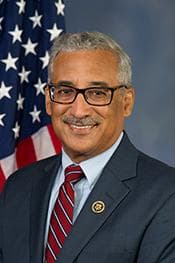
Robert C. "Bobby" Scott
Democratic Representative
Virginia
Cosponsors (28)
Dwight Evans (Democratic)Nikema Williams (Democratic)John Garamendi (Democratic)Jonathan L. Jackson (Democratic)Sylvia R. Garcia (Democratic)Joyce Beatty (Democratic)Ilhan Omar (Democratic)Delia C. Ramirez (Democratic)Danny K. Davis (Democratic)George Latimer (Democratic)Mark DeSaulnier (Democratic)Gregory W. Meeks (Democratic)Jahana Hayes (Democratic)Mark Takano (Democratic)Lucy McBath (Democratic)Pramila Jayapal (Democratic)Kathy Castor (Democratic)Lateefah Simon (Democratic)Timothy M. Kennedy (Democratic)Lois Frankel (Democratic)Maxine Waters (Democratic)Summer L. Lee (Democratic)Nydia M. Velázquez (Democratic)Cleo Fields (Democratic)Yvette D. Clarke (Democratic)Bennie G. Thompson (Democratic)Suzanne Bonamici (Democratic)Rashida Tlaib (Democratic)
Education and Workforce Committee
- Introduced
- In Committee
- On Floor
- Passed Chamber
- Enacted
The "Strength in Diversity Act of 2025" aims to support comprehensive strategies that address racial isolation and concentrated poverty by increasing diversity, including racial and socioeconomic diversity , in publicly-funded early childhood, elementary, and secondary schools. It establishes a competitive grant program , administered by the Secretary of Education, for eligible entities to develop or implement plans to improve diversity and reduce isolation in these covered schools. These grants can be either planning grants , lasting up to two years, or implementation grants , for up to three years with a possible two-year extension. The Secretary will prioritize grants for programs that address racial isolation , extend beyond a single local educational agency (such as inter-district or regional programs), and demonstrate meaningful coordination with local housing and transportation agencies to increase access to schools with fewer low-income students. To receive a grant, applicants must describe how the program will improve student outcomes, provide evidence or research-based rationale for increasing diversity, and detail plans for sustainability, assessment, and robust parent and community engagement . State educational agencies applying for grants must also demonstrate procedures to prevent school district line redrawing that increases isolation, assess segregation impacts of new school construction, and include progress toward diversity in their reporting. Planning grants support activities such as comprehensive assessments of educational outcomes and stratification, developing engagement plans, exploring options for improving diversity (e.g., boundary redesign, weighted lotteries), and building data collection capacity. Implementation grants fund activities like recruiting diverse staff, investing in specialized academic programs, developing transportation plans, creating equitable school assignment plans, and fostering engagement between students from different backgrounds. The bill mandates the Secretary establish performance measures to track progress in improving academic and developmental outcomes for all student subgroups, and specifically in increasing diversity and decreasing racial or socioeconomic isolation in covered schools. Grantees must submit annual reports detailing their efforts, progress on performance measures, and plans for continued improvement and sustainability. The Act authorizes necessary appropriations for fiscal year 2025 and the subsequent five fiscal years. "Covered schools" include publicly-funded early childhood education programs, public elementary schools, and public secondary schools, while an "eligible entity" is defined as an educational agency or consortium with significant achievement gaps and segregation. Importantly, the bill explicitly prohibits federal control over the curriculum, instruction, administration, or personnel of any educational institution, school, or school system.
View Full TextSuggested Questions
Get AI-generated questions to help you understand this bill better
Timeline
Introduced in House
Referred to the House Committee on Education and Workforce.
Education
Strength in Diversity Act of 2025
USA119th CongressHR-3605| House
| Updated: 5/23/2025
The "Strength in Diversity Act of 2025" aims to support comprehensive strategies that address racial isolation and concentrated poverty by increasing diversity, including racial and socioeconomic diversity , in publicly-funded early childhood, elementary, and secondary schools. It establishes a competitive grant program , administered by the Secretary of Education, for eligible entities to develop or implement plans to improve diversity and reduce isolation in these covered schools. These grants can be either planning grants , lasting up to two years, or implementation grants , for up to three years with a possible two-year extension. The Secretary will prioritize grants for programs that address racial isolation , extend beyond a single local educational agency (such as inter-district or regional programs), and demonstrate meaningful coordination with local housing and transportation agencies to increase access to schools with fewer low-income students. To receive a grant, applicants must describe how the program will improve student outcomes, provide evidence or research-based rationale for increasing diversity, and detail plans for sustainability, assessment, and robust parent and community engagement . State educational agencies applying for grants must also demonstrate procedures to prevent school district line redrawing that increases isolation, assess segregation impacts of new school construction, and include progress toward diversity in their reporting. Planning grants support activities such as comprehensive assessments of educational outcomes and stratification, developing engagement plans, exploring options for improving diversity (e.g., boundary redesign, weighted lotteries), and building data collection capacity. Implementation grants fund activities like recruiting diverse staff, investing in specialized academic programs, developing transportation plans, creating equitable school assignment plans, and fostering engagement between students from different backgrounds. The bill mandates the Secretary establish performance measures to track progress in improving academic and developmental outcomes for all student subgroups, and specifically in increasing diversity and decreasing racial or socioeconomic isolation in covered schools. Grantees must submit annual reports detailing their efforts, progress on performance measures, and plans for continued improvement and sustainability. The Act authorizes necessary appropriations for fiscal year 2025 and the subsequent five fiscal years. "Covered schools" include publicly-funded early childhood education programs, public elementary schools, and public secondary schools, while an "eligible entity" is defined as an educational agency or consortium with significant achievement gaps and segregation. Importantly, the bill explicitly prohibits federal control over the curriculum, instruction, administration, or personnel of any educational institution, school, or school system.
View Full TextSuggested Questions
Get AI-generated questions to help you understand this bill better
Timeline
Introduced in House
Referred to the House Committee on Education and Workforce.
Robert C. "Bobby" Scott
Democratic Representative
Virginia
Cosponsors (28)
Dwight Evans (Democratic)Nikema Williams (Democratic)John Garamendi (Democratic)Jonathan L. Jackson (Democratic)Sylvia R. Garcia (Democratic)Joyce Beatty (Democratic)Ilhan Omar (Democratic)Delia C. Ramirez (Democratic)Danny K. Davis (Democratic)George Latimer (Democratic)Mark DeSaulnier (Democratic)Gregory W. Meeks (Democratic)Jahana Hayes (Democratic)Mark Takano (Democratic)Lucy McBath (Democratic)Pramila Jayapal (Democratic)Kathy Castor (Democratic)Lateefah Simon (Democratic)Timothy M. Kennedy (Democratic)Lois Frankel (Democratic)Maxine Waters (Democratic)Summer L. Lee (Democratic)Nydia M. Velázquez (Democratic)Cleo Fields (Democratic)Yvette D. Clarke (Democratic)Bennie G. Thompson (Democratic)Suzanne Bonamici (Democratic)Rashida Tlaib (Democratic)
Education and Workforce Committee
Education
Related Bills
- Introduced
- In Committee
- On Floor
- Passed Chamber
- Enacted