Small Business Growth Act
USA119th CongressHR-354| House
| Updated: 1/13/2025
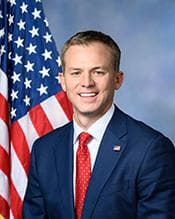
Blake D. Moore
Republican Representative
Utah
Cosponsors (8)
Ways and Means Committee
- Introduced
- In Committee
- On Floor
- Passed Chamber
- Enacted
The "Small Business Growth Act" aims to significantly amend Section 179 of the Internal Revenue Code of 1986, primarily by increasing the limitations on expensing depreciable business assets. A key provision is the proposal to double the maximum amount a business can expense under this section, raising it from $1,000,000 to $2,000,000. Additionally, the bill seeks to increase the phase-out threshold for these expensing limits from $2,500,000 to $3,500,000, allowing more businesses to benefit from the full deduction. It also updates the base years for inflation adjustments to 2026 for the new expensing limits and 2025 for the general inflation adjustment. These amendments are scheduled to take effect for property placed in service in taxable years beginning after December 31, 2025.
View Full TextSuggested Questions
Get AI-generated questions to help you understand this bill better
Timeline
Introduced in House
Referred to the House Committee on Ways and Means.
Taxation
Small Business Growth Act
USA119th CongressHR-354| House
| Updated: 1/13/2025
The "Small Business Growth Act" aims to significantly amend Section 179 of the Internal Revenue Code of 1986, primarily by increasing the limitations on expensing depreciable business assets. A key provision is the proposal to double the maximum amount a business can expense under this section, raising it from $1,000,000 to $2,000,000. Additionally, the bill seeks to increase the phase-out threshold for these expensing limits from $2,500,000 to $3,500,000, allowing more businesses to benefit from the full deduction. It also updates the base years for inflation adjustments to 2026 for the new expensing limits and 2025 for the general inflation adjustment. These amendments are scheduled to take effect for property placed in service in taxable years beginning after December 31, 2025.
View Full TextSuggested Questions
Get AI-generated questions to help you understand this bill better
Timeline
Introduced in House
Referred to the House Committee on Ways and Means.
Blake D. Moore
Republican Representative
Utah
Cosponsors (8)
Ways and Means Committee
Taxation
- Introduced
- In Committee
- On Floor
- Passed Chamber
- Enacted