Protecting Older Workers Against Discrimination Act of 2025
USA119th CongressHR-3522| House
| Updated: 5/20/2025
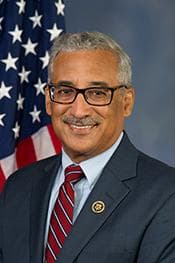
Robert C. "Bobby" Scott
Democratic Representative
Virginia
Cosponsors (8)
Education and Workforce Committee
- Introduced
- In Committee
- On Floor
- Passed Chamber
- Enacted
This bill, titled the "Protecting Older Workers Against Discrimination Act of 2025," aims to clarify and standardize the proof required for federal employment discrimination and retaliation claims. It amends several key statutes, including the Age Discrimination in Employment Act of 1967 (ADEA) , Title VII of the Civil Rights Act of 1964 , and the Americans with Disabilities Act of 1990 (ADA) . A central provision establishes that an unlawful practice is proven when a complaining party demonstrates that age, race, color, religion, sex, national origin, or disability was a motivating factor for an employment practice, even if other factors also contributed. This "motivating factor" standard applies to both private and federal employees covered by these acts. However, if an individual proves a violation under this standard but the employer demonstrates they would have taken the same action regardless of the impermissible factor, remedies are limited. In such cases, courts may grant declaratory relief, injunctive relief (with exceptions), and attorney's fees and costs, but shall not award damages or issue orders for admission, reinstatement, hiring, promotion, or payment . The bill also defines "demonstrates" as meeting the burdens of production and persuasion, and its provisions apply to all claims pending on or after its enactment date.
View Full TextSuggested Questions
Get AI-generated questions to help you understand this bill better
Timeline
Introduced in House
Referred to the House Committee on Education and Workforce.
Civil Rights and Liberties, Minority Issues
Protecting Older Workers Against Discrimination Act of 2025
USA119th CongressHR-3522| House
| Updated: 5/20/2025
This bill, titled the "Protecting Older Workers Against Discrimination Act of 2025," aims to clarify and standardize the proof required for federal employment discrimination and retaliation claims. It amends several key statutes, including the Age Discrimination in Employment Act of 1967 (ADEA) , Title VII of the Civil Rights Act of 1964 , and the Americans with Disabilities Act of 1990 (ADA) . A central provision establishes that an unlawful practice is proven when a complaining party demonstrates that age, race, color, religion, sex, national origin, or disability was a motivating factor for an employment practice, even if other factors also contributed. This "motivating factor" standard applies to both private and federal employees covered by these acts. However, if an individual proves a violation under this standard but the employer demonstrates they would have taken the same action regardless of the impermissible factor, remedies are limited. In such cases, courts may grant declaratory relief, injunctive relief (with exceptions), and attorney's fees and costs, but shall not award damages or issue orders for admission, reinstatement, hiring, promotion, or payment . The bill also defines "demonstrates" as meeting the burdens of production and persuasion, and its provisions apply to all claims pending on or after its enactment date.
View Full TextSuggested Questions
Get AI-generated questions to help you understand this bill better
Timeline
Introduced in House
Referred to the House Committee on Education and Workforce.
Robert C. "Bobby" Scott
Democratic Representative
Virginia
Cosponsors (8)
Education and Workforce Committee
Civil Rights and Liberties, Minority Issues
- Introduced
- In Committee
- On Floor
- Passed Chamber
- Enacted