AI Whistleblower Protection Act
USA119th CongressHR-3460| House
| Updated: 5/15/2025
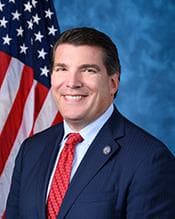
Jay Obernolte
Republican Representative
California
Cosponsors (7)
Education and Workforce Committee
- Introduced
- In Committee
- On Floor
- Passed Chamber
- Enacted
This bill, known as the AI Whistleblower Protection Act , establishes robust protections against employment discrimination for individuals who report concerns related to artificial intelligence. Its primary purpose is to safeguard employees and independent contractors who disclose information about AI security vulnerabilities or AI violations , preventing employers from retaliating against them. An AI security vulnerability is defined as a security lapse that could allow emerging AI technology to be acquired by theft, while an AI violation includes breaches of federal law related to AI development or use, or failures to address substantial dangers posed by AI to public safety, health, or national security. The Act broadly defines "artificial intelligence" to cover various advanced artificial systems. Employers are prohibited from discharging, demoting, harassing, or otherwise discriminating against a covered individual (including current and former employees and independent contractors) for lawful acts of reporting. These protected acts include providing information or reasonably believed information about AI security vulnerabilities or violations to appropriate regulatory officials, law enforcement agencies, Members or committees of Congress, or internal supervisory personnel. Aggrieved individuals can seek relief by filing a complaint with the Secretary of Labor . If the Secretary does not issue a final decision within 180 days, the individual may bring an action in an appropriate U.S. district court, with a right to a jury trial and specific statutes of limitations. Successful whistleblowers are entitled to comprehensive relief, which includes reinstatement to their prior position with the same seniority, double back pay with interest, and compensatory damages covering litigation costs, expert witness fees, and reasonable attorneys' fees. The Act also explicitly states that these rights and remedies cannot be waived or altered by any contract, agreement, or condition of employment, including mandatory arbitration clauses.
View Full TextSuggested Questions
Get AI-generated questions to help you understand this bill better
Timeline
Introduced in House
Referred to the House Committee on Education and Workforce.
Labor and Employment
AI Whistleblower Protection Act
USA119th CongressHR-3460| House
| Updated: 5/15/2025
This bill, known as the AI Whistleblower Protection Act , establishes robust protections against employment discrimination for individuals who report concerns related to artificial intelligence. Its primary purpose is to safeguard employees and independent contractors who disclose information about AI security vulnerabilities or AI violations , preventing employers from retaliating against them. An AI security vulnerability is defined as a security lapse that could allow emerging AI technology to be acquired by theft, while an AI violation includes breaches of federal law related to AI development or use, or failures to address substantial dangers posed by AI to public safety, health, or national security. The Act broadly defines "artificial intelligence" to cover various advanced artificial systems. Employers are prohibited from discharging, demoting, harassing, or otherwise discriminating against a covered individual (including current and former employees and independent contractors) for lawful acts of reporting. These protected acts include providing information or reasonably believed information about AI security vulnerabilities or violations to appropriate regulatory officials, law enforcement agencies, Members or committees of Congress, or internal supervisory personnel. Aggrieved individuals can seek relief by filing a complaint with the Secretary of Labor . If the Secretary does not issue a final decision within 180 days, the individual may bring an action in an appropriate U.S. district court, with a right to a jury trial and specific statutes of limitations. Successful whistleblowers are entitled to comprehensive relief, which includes reinstatement to their prior position with the same seniority, double back pay with interest, and compensatory damages covering litigation costs, expert witness fees, and reasonable attorneys' fees. The Act also explicitly states that these rights and remedies cannot be waived or altered by any contract, agreement, or condition of employment, including mandatory arbitration clauses.
View Full TextSuggested Questions
Get AI-generated questions to help you understand this bill better
Timeline
Introduced in House
Referred to the House Committee on Education and Workforce.
Jay Obernolte
Republican Representative
California
Cosponsors (7)
Education and Workforce Committee
Labor and Employment
- Introduced
- In Committee
- On Floor
- Passed Chamber
- Enacted