TAILOR Act of 2025
USA119th CongressHR-3380| House
| Updated: 6/4/2025
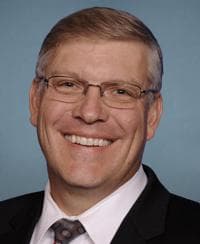
Barry Loudermilk
Republican Representative
Georgia
Cosponsors (1)
Financial Services Committee
- Introduced
- In Committee
- On Floor
- Passed Chamber
- Enacted
The "Taking Account of Institutions with Low Operation Risk Act of 2025," or TAILOR Act, mandates that federal financial institutions regulatory agencies, including the Office of the Comptroller of the Currency, the Federal Reserve System, the Federal Deposit Insurance Corporation, the National Credit Union Administration, and the Bureau of Consumer Financial Protection, consider the risk profiles and business models of institutions when taking regulatory actions. This requirement applies to proposed, interim, or final rules and regulations, but not to individual enforcement actions. The goal is to ensure regulations are appropriate for the diverse financial landscape. For each regulatory action, agencies must tailor the regulation to limit its impact, including costs and human resource allocation, in a manner appropriate for the institution's risk profile and business model. They must also consider the aggregate effect of regulations on institutions' ability to serve customers and local markets, the potential for implementation efforts to undermine tailoring, and the underlying policy objectives of the statutory authority. Agencies are required to disclose and document how these considerations were applied in all rulemaking notices and submit annual reports to Congress on their tailoring actions. Furthermore, the Act requires agencies to conduct a limited look-back review of regulations issued over the past 15 years, applying these new tailoring requirements and revising them within three years. It also mandates that appropriate federal banking agencies establish reduced reporting requirements , specifically short-form call reports, for banks eligible for the Community Bank Leverage Ratio for certain annual reports. Finally, the bill directs these agencies to submit a report to Congress on the modernization of bank supervision, addressing factors like changing business models, examiner training, and supervisory technology.
Suggested Questions
Get AI-generated questions to help you understand this bill better
Timeline
Introduced in House
Referred to the House Committee on Financial Services.
Ordered to be Reported (Amended) by the Yeas and Nays: 29 - 23.
Committee Consideration and Mark-up Session Held
Placed on the Union Calendar, Calendar No. 104.
Reported (Amended) by the Committee on Financial Services. H. Rept. 119-135.
Finance and Financial Sector
Banking and financial institutions regulationBusiness recordsCongressional oversight
TAILOR Act of 2025
USA119th CongressHR-3380| House
| Updated: 6/4/2025
The "Taking Account of Institutions with Low Operation Risk Act of 2025," or TAILOR Act, mandates that federal financial institutions regulatory agencies, including the Office of the Comptroller of the Currency, the Federal Reserve System, the Federal Deposit Insurance Corporation, the National Credit Union Administration, and the Bureau of Consumer Financial Protection, consider the risk profiles and business models of institutions when taking regulatory actions. This requirement applies to proposed, interim, or final rules and regulations, but not to individual enforcement actions. The goal is to ensure regulations are appropriate for the diverse financial landscape. For each regulatory action, agencies must tailor the regulation to limit its impact, including costs and human resource allocation, in a manner appropriate for the institution's risk profile and business model. They must also consider the aggregate effect of regulations on institutions' ability to serve customers and local markets, the potential for implementation efforts to undermine tailoring, and the underlying policy objectives of the statutory authority. Agencies are required to disclose and document how these considerations were applied in all rulemaking notices and submit annual reports to Congress on their tailoring actions. Furthermore, the Act requires agencies to conduct a limited look-back review of regulations issued over the past 15 years, applying these new tailoring requirements and revising them within three years. It also mandates that appropriate federal banking agencies establish reduced reporting requirements , specifically short-form call reports, for banks eligible for the Community Bank Leverage Ratio for certain annual reports. Finally, the bill directs these agencies to submit a report to Congress on the modernization of bank supervision, addressing factors like changing business models, examiner training, and supervisory technology.
Suggested Questions
Get AI-generated questions to help you understand this bill better
Timeline
Introduced in House
Referred to the House Committee on Financial Services.
Ordered to be Reported (Amended) by the Yeas and Nays: 29 - 23.
Committee Consideration and Mark-up Session Held
Placed on the Union Calendar, Calendar No. 104.
Reported (Amended) by the Committee on Financial Services. H. Rept. 119-135.
Barry Loudermilk
Republican Representative
Georgia
Cosponsors (1)
Financial Services Committee
Finance and Financial Sector
Related Bills
- Introduced
- In Committee
- On Floor
- Passed Chamber
- Enacted
Banking and financial institutions regulationBusiness recordsCongressional oversight