Strengthening Medicaid for Serious Mental Illness Act
USA119th CongressHR-3320| House
| Updated: 5/9/2025
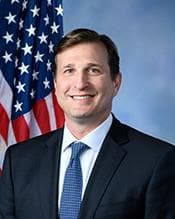
Daniel S. Goldman
Democratic Representative
New York
Cosponsors (1)
Energy and Commerce Committee
- Introduced
- In Committee
- On Floor
- Passed Chamber
- Enacted
This legislation, known as the "Strengthening Medicaid for Serious Mental Illness Act," proposes to amend Title XIX of the Social Security Act to significantly increase Federal Medicaid funding for states. Its primary purpose is to incentivize states to provide comprehensive intensive community-based services for adults diagnosed with serious mental illness. The bill aims to enhance access to these vital services, ensure care is delivered in the most integrated settings, and ultimately prevent unnecessary hospitalization or other forms of institutionalization. Beginning January 1, 2026, states will have the option to implement a State plan amendment to offer intensive community-based services to eligible individuals without requiring a prior determination of institutional level of care. An **eligible individual** is defined as someone aged 21 or older, with an income not exceeding 150 percent of the poverty line, and who is an adult with a serious mental illness. States must comply with existing home and community-based services regulations, including the HCBS settings rule, when providing these services. The bill defines **intensive community-based services** as a set of psychosocial rehabilitation services, including: **Assertive Community Treatment** **Supported Employment** **Peer Support Services** **Qualifying Community-Based Mobile Crisis Intervention Services** **Intensive Case Management** **Housing-related activities and services** Other Secretary-approved psychosocial rehabilitation services States that offer these services will receive an increased Federal Medical Assistance Percentage (FMAP), with the enhancement tiered based on the number of service categories provided. For instance, offering at least one category yields a 3 percentage point increase, while offering five or more categories results in a 25 percentage point increase in FMAP. To qualify for enhanced FMAP, states must adhere to **service quality criteria** established by the Secretary, which include specific standards for assertive community treatment, supported employment, and a Housing First approach for housing services. Furthermore, the bill mandates that these services be delivered in the **most integrated setting appropriate**, ensuring access is not limited by other disabilities or co-occurring substance use disorders. States are also required to engage in **data collection and reporting** every two years, providing information on demographic characteristics, service utilization, and consumer outcomes to the Secretary. To facilitate implementation, the Act appropriates **$20 million for planning grants** to help states develop their State plan amendment requests, including collaborative activities and infrastructure development. The bill also clarifies that it does not limit the entitlement of children and youth to intensive community-based services through the existing early and periodic screening, diagnostic, and treatment services benefit.
Suggested Questions
Get AI-generated questions to help you understand this bill better
Timeline
Introduced in House
Referred to the House Committee on Energy and Commerce.
Health
Strengthening Medicaid for Serious Mental Illness Act
USA119th CongressHR-3320| House
| Updated: 5/9/2025
This legislation, known as the "Strengthening Medicaid for Serious Mental Illness Act," proposes to amend Title XIX of the Social Security Act to significantly increase Federal Medicaid funding for states. Its primary purpose is to incentivize states to provide comprehensive intensive community-based services for adults diagnosed with serious mental illness. The bill aims to enhance access to these vital services, ensure care is delivered in the most integrated settings, and ultimately prevent unnecessary hospitalization or other forms of institutionalization. Beginning January 1, 2026, states will have the option to implement a State plan amendment to offer intensive community-based services to eligible individuals without requiring a prior determination of institutional level of care. An **eligible individual** is defined as someone aged 21 or older, with an income not exceeding 150 percent of the poverty line, and who is an adult with a serious mental illness. States must comply with existing home and community-based services regulations, including the HCBS settings rule, when providing these services. The bill defines **intensive community-based services** as a set of psychosocial rehabilitation services, including: **Assertive Community Treatment** **Supported Employment** **Peer Support Services** **Qualifying Community-Based Mobile Crisis Intervention Services** **Intensive Case Management** **Housing-related activities and services** Other Secretary-approved psychosocial rehabilitation services States that offer these services will receive an increased Federal Medical Assistance Percentage (FMAP), with the enhancement tiered based on the number of service categories provided. For instance, offering at least one category yields a 3 percentage point increase, while offering five or more categories results in a 25 percentage point increase in FMAP. To qualify for enhanced FMAP, states must adhere to **service quality criteria** established by the Secretary, which include specific standards for assertive community treatment, supported employment, and a Housing First approach for housing services. Furthermore, the bill mandates that these services be delivered in the **most integrated setting appropriate**, ensuring access is not limited by other disabilities or co-occurring substance use disorders. States are also required to engage in **data collection and reporting** every two years, providing information on demographic characteristics, service utilization, and consumer outcomes to the Secretary. To facilitate implementation, the Act appropriates **$20 million for planning grants** to help states develop their State plan amendment requests, including collaborative activities and infrastructure development. The bill also clarifies that it does not limit the entitlement of children and youth to intensive community-based services through the existing early and periodic screening, diagnostic, and treatment services benefit.
Suggested Questions
Get AI-generated questions to help you understand this bill better
Timeline
Introduced in House
Referred to the House Committee on Energy and Commerce.
Daniel S. Goldman
Democratic Representative
New York
Cosponsors (1)
Energy and Commerce Committee
Health
- Introduced
- In Committee
- On Floor
- Passed Chamber
- Enacted