Pregnancy.Gov Act
USA119th CongressHR-3287| House
| Updated: 5/8/2025
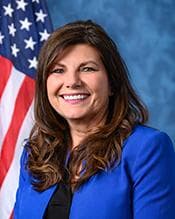
Diana Harshbarger
Republican Representative
Tennessee
Cosponsors (15)
Sheri Biggs (Republican)Doug LaMalfa (Republican)Richard McCormick (Republican)Claudia Tenney (Republican)Gus M. Bilirakis (Republican)Scott Fitzgerald (Republican)Pat Harrigan (Republican)Mike Bost (Republican)John W. Rose (Republican)Dan Crenshaw (Republican)John J. McGuire (Republican)Randy K. Sr. Weber (Republican)Ralph Norman (Republican)Michelle Fischbach (Republican)Brian Babin (Republican)
Energy and Commerce Committee
- Introduced
- In Committee
- On Floor
- Passed Chamber
- Enacted
The Pregnancy.Gov Act requires the Secretary of Health and Human Services to establish a public website, Pregnancy.Gov , within one year of enactment. This website will serve as a comprehensive clearinghouse of relevant resources for pregnant women, accessible through ZIP-Code based searches. Users can tailor their search to find resources available online or within specified distances, and the site will include mechanisms for user feedback and potential follow-up outreach. The Secretary will invite States to recommend resources for inclusion, developing criteria that require resources to have provided services for at least three consecutive years and not be a prohibited entity . To facilitate this, the bill authorizes a grant program for States to establish or support systems for aggregating these resources. These grants can be funded through existing programs like the State Personal Responsibility Education Program or Title X, with up to $50 million allocated for fiscal years 2026 through 2030. A key provision defines a prohibited entity as one that performs, induces, refers for, or counsels in favor of abortions, or financially supports such activities; these entities are explicitly barred from being listed on the website or receiving grants. The bill also mandates that the website provide services in multiple languages to ensure broad accessibility. Furthermore, the Secretary must submit a report to Congress detailing website traffic, user feedback, identified resource gaps, and certifying compliance with the prohibition on certain entities.
View Full TextSuggested Questions
Get AI-generated questions to help you understand this bill better
Timeline
Introduced in House
Referred to the House Committee on Energy and Commerce.
Health
Pregnancy.Gov Act
USA119th CongressHR-3287| House
| Updated: 5/8/2025
The Pregnancy.Gov Act requires the Secretary of Health and Human Services to establish a public website, Pregnancy.Gov , within one year of enactment. This website will serve as a comprehensive clearinghouse of relevant resources for pregnant women, accessible through ZIP-Code based searches. Users can tailor their search to find resources available online or within specified distances, and the site will include mechanisms for user feedback and potential follow-up outreach. The Secretary will invite States to recommend resources for inclusion, developing criteria that require resources to have provided services for at least three consecutive years and not be a prohibited entity . To facilitate this, the bill authorizes a grant program for States to establish or support systems for aggregating these resources. These grants can be funded through existing programs like the State Personal Responsibility Education Program or Title X, with up to $50 million allocated for fiscal years 2026 through 2030. A key provision defines a prohibited entity as one that performs, induces, refers for, or counsels in favor of abortions, or financially supports such activities; these entities are explicitly barred from being listed on the website or receiving grants. The bill also mandates that the website provide services in multiple languages to ensure broad accessibility. Furthermore, the Secretary must submit a report to Congress detailing website traffic, user feedback, identified resource gaps, and certifying compliance with the prohibition on certain entities.
View Full TextSuggested Questions
Get AI-generated questions to help you understand this bill better
Timeline
Introduced in House
Referred to the House Committee on Energy and Commerce.
Diana Harshbarger
Republican Representative
Tennessee
Cosponsors (15)
Sheri Biggs (Republican)Doug LaMalfa (Republican)Richard McCormick (Republican)Claudia Tenney (Republican)Gus M. Bilirakis (Republican)Scott Fitzgerald (Republican)Pat Harrigan (Republican)Mike Bost (Republican)John W. Rose (Republican)Dan Crenshaw (Republican)John J. McGuire (Republican)Randy K. Sr. Weber (Republican)Ralph Norman (Republican)Michelle Fischbach (Republican)Brian Babin (Republican)
Energy and Commerce Committee
Health
- Introduced
- In Committee
- On Floor
- Passed Chamber
- Enacted