Farm Workforce Modernization Act of 2025
USA119th CongressHR-3227| House
| Updated: 5/7/2025
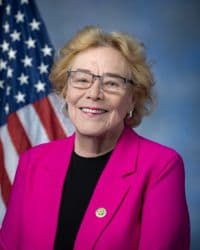
Zoe Lofgren
Democratic Representative
California
Cosponsors (11)
Kim Schrier (Democratic)Eugene Simon Vindman (Democratic)Andrea Salinas (Democratic)Maria Elvira Salazar (Republican)Dan Newhouse (Republican)Josh Harder (Democratic)Salud O. Carbajal (Democratic)Jim Costa (Democratic)Michael K. Simpson (Republican)David G. Valadao (Republican)Adam Gray (Democratic)
Ways and Means Committee, Financial Services Committee, Judiciary Committee, Education and Workforce Committee
- Introduced
- In Committee
- On Floor
- Passed Chamber
- Enacted
This comprehensive legislation, known as the Farm Workforce Modernization Act of 2025, aims to reform immigration policies affecting the agricultural sector. It establishes a new Certified Agricultural Worker (CAW) status for individuals who have performed significant agricultural labor in the U.S. and meet specific eligibility criteria, including continuous presence. This status is valid for 5.5 years and can be extended, providing temporary legal authorization to work and travel. The bill also creates an optional pathway for long-term agricultural workers with CAW status to adjust to lawful permanent resident (LPR) status . This requires demonstrating an extensive history of agricultural work and paying a penalty fee, with provisions for family members and protections for spouses and children in certain circumstances. Applicants for both CAW and LPR status undergo background checks, and privacy protections are included to prevent the use of application information for immigration enforcement, except in cases of fraud or national security. A significant portion of the bill focuses on reforming the H-2A temporary agricultural worker program . It mandates a streamlined electronic platform for H-2A applications, enhances worker protections, and sets new wage standards, including a freeze on the Adverse Effect Wage Rate for 2026. The legislation also introduces a portable H-2A visa pilot program , allowing workers to move between registered agricultural employers, and expands access to permanent residence by increasing employment-based visas, reserving a substantial number for agricultural workers. Furthermore, the bill addresses farmworker housing by establishing a permanent preservation and revitalization program for rural multifamily rental projects. It authorizes significant funding for new farmworker housing loans, grants, and rental assistance, and expands eligibility for rural housing vouchers. The legislation also includes measures to ensure foreign labor recruiter accountability , requiring their registration, prohibiting recruitment fees for workers, and establishing enforcement mechanisms. Finally, the bill mandates a new electronic employment eligibility verification system , replacing the existing E-Verify program, with phased implementation for the agricultural industry. This system includes features to prevent identity theft, provides individual monitoring capabilities, and outlines clear procedures for employers and employees regarding verification outcomes. It also establishes penalties for misuse and unfair immigration-related employment practices, while ensuring that workplace rights and remedies remain available to all employees.
Suggested Questions
Get AI-generated questions to help you understand this bill better
Timeline
Introduced in House
Referred to the Committee on the Judiciary, and in addition to the Committees on Ways and Means, Education and Workforce, and Financial Services, for a period to be subsequently determined by the Speaker, in each case for consideration of such provisions as fall within the jurisdiction of the committee concerned.
Immigration
Farm Workforce Modernization Act of 2025
USA119th CongressHR-3227| House
| Updated: 5/7/2025
This comprehensive legislation, known as the Farm Workforce Modernization Act of 2025, aims to reform immigration policies affecting the agricultural sector. It establishes a new Certified Agricultural Worker (CAW) status for individuals who have performed significant agricultural labor in the U.S. and meet specific eligibility criteria, including continuous presence. This status is valid for 5.5 years and can be extended, providing temporary legal authorization to work and travel. The bill also creates an optional pathway for long-term agricultural workers with CAW status to adjust to lawful permanent resident (LPR) status . This requires demonstrating an extensive history of agricultural work and paying a penalty fee, with provisions for family members and protections for spouses and children in certain circumstances. Applicants for both CAW and LPR status undergo background checks, and privacy protections are included to prevent the use of application information for immigration enforcement, except in cases of fraud or national security. A significant portion of the bill focuses on reforming the H-2A temporary agricultural worker program . It mandates a streamlined electronic platform for H-2A applications, enhances worker protections, and sets new wage standards, including a freeze on the Adverse Effect Wage Rate for 2026. The legislation also introduces a portable H-2A visa pilot program , allowing workers to move between registered agricultural employers, and expands access to permanent residence by increasing employment-based visas, reserving a substantial number for agricultural workers. Furthermore, the bill addresses farmworker housing by establishing a permanent preservation and revitalization program for rural multifamily rental projects. It authorizes significant funding for new farmworker housing loans, grants, and rental assistance, and expands eligibility for rural housing vouchers. The legislation also includes measures to ensure foreign labor recruiter accountability , requiring their registration, prohibiting recruitment fees for workers, and establishing enforcement mechanisms. Finally, the bill mandates a new electronic employment eligibility verification system , replacing the existing E-Verify program, with phased implementation for the agricultural industry. This system includes features to prevent identity theft, provides individual monitoring capabilities, and outlines clear procedures for employers and employees regarding verification outcomes. It also establishes penalties for misuse and unfair immigration-related employment practices, while ensuring that workplace rights and remedies remain available to all employees.
Suggested Questions
Get AI-generated questions to help you understand this bill better
Timeline
Introduced in House
Referred to the Committee on the Judiciary, and in addition to the Committees on Ways and Means, Education and Workforce, and Financial Services, for a period to be subsequently determined by the Speaker, in each case for consideration of such provisions as fall within the jurisdiction of the committee concerned.
Zoe Lofgren
Democratic Representative
California
Cosponsors (11)
Kim Schrier (Democratic)Eugene Simon Vindman (Democratic)Andrea Salinas (Democratic)Maria Elvira Salazar (Republican)Dan Newhouse (Republican)Josh Harder (Democratic)Salud O. Carbajal (Democratic)Jim Costa (Democratic)Michael K. Simpson (Republican)David G. Valadao (Republican)Adam Gray (Democratic)
Ways and Means Committee, Financial Services Committee, Judiciary Committee, Education and Workforce Committee
Immigration
- Introduced
- In Committee
- On Floor
- Passed Chamber
- Enacted