Healthcare Freedom Act of 2025
USA119th CongressHR-317| House
| Updated: 1/9/2025
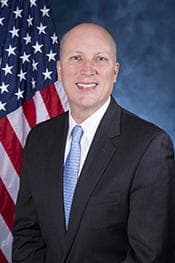
Chip Roy
Republican Representative
Texas
Cosponsors (9)
Ways and Means Committee
- Introduced
- In Committee
- On Floor
- Passed Chamber
- Enacted
This bill proposes to rename Health Savings Accounts (HSAs) as Health Freedom Accounts (HFAs) , fundamentally altering their structure and accessibility. A primary change removes the "eligible individual" requirement, making these accounts available to all individuals, irrespective of their health plan enrollment. The legislation also significantly increases the maximum annual contribution limits to $12,000 for individuals and $24,000 for joint returns, with an increased catch-up contribution of $5,000 for those aged 55 and older. The definition of qualified medical expenses is broadened to include costs associated with direct primary care, health care sharing ministries, and medical cost sharing organizations, providing greater flexibility in how funds can be used. Furthermore, the bill simplifies account management by allowing rollovers between HFAs and removes various other limitations previously tied to HSAs. A key long-term provision introduces a shift in employer-provided health benefits: for employees hired five years after enactment, employer contributions to HFAs will be excluded from gross income, effectively directing employer-sponsored health benefits towards these individual-controlled accounts.
Suggested Questions
Get AI-generated questions to help you understand this bill better
Timeline
Introduced in House
Referred to the House Committee on Ways and Means.
Taxation
Healthcare Freedom Act of 2025
USA119th CongressHR-317| House
| Updated: 1/9/2025
This bill proposes to rename Health Savings Accounts (HSAs) as Health Freedom Accounts (HFAs) , fundamentally altering their structure and accessibility. A primary change removes the "eligible individual" requirement, making these accounts available to all individuals, irrespective of their health plan enrollment. The legislation also significantly increases the maximum annual contribution limits to $12,000 for individuals and $24,000 for joint returns, with an increased catch-up contribution of $5,000 for those aged 55 and older. The definition of qualified medical expenses is broadened to include costs associated with direct primary care, health care sharing ministries, and medical cost sharing organizations, providing greater flexibility in how funds can be used. Furthermore, the bill simplifies account management by allowing rollovers between HFAs and removes various other limitations previously tied to HSAs. A key long-term provision introduces a shift in employer-provided health benefits: for employees hired five years after enactment, employer contributions to HFAs will be excluded from gross income, effectively directing employer-sponsored health benefits towards these individual-controlled accounts.
Suggested Questions
Get AI-generated questions to help you understand this bill better
Timeline
Introduced in House
Referred to the House Committee on Ways and Means.
Chip Roy
Republican Representative
Texas
Cosponsors (9)
Ways and Means Committee
Taxation
- Introduced
- In Committee
- On Floor
- Passed Chamber
- Enacted