Natural Disaster Recovery Program Act of 2025
USA119th CongressHR-316| House
| Updated: 1/10/2025
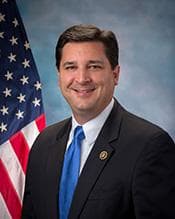
David Rouzer
Republican Representative
North Carolina
Transportation and Infrastructure Committee, Economic Development, Public Buildings, and Emergency Management Subcommittee
- Introduced
- In Committee
- On Floor
- Passed Chamber
- Enacted
The Natural Disaster Recovery Program Act of 2025 establishes a new Natural Disaster Recovery Program and a dedicated Natural Disaster Recovery Reserve Fund to provide assistance to States and Indian tribal governments for unmet needs following major disasters. This fund will consist of specific appropriations and unexpended grant amounts, which are returned to the fund after six years unless an extension is justified. The President must assess unmet needs within 90 days of a disaster declaration, gathering comprehensive data on damage and impact, which will be made publicly available while protecting personal information. Grantees can use a portion of funds for administrative costs, with a sliding scale favoring smaller grants, and the President can provide technical assistance and capacity building. Funds are allocated proportionally based on assessed unmet need, granting recipients sole responsibility for prioritization and expenditure without requiring an action plan. An initial 50 percent of the grant is provided upfront, with the remainder released upon submission of a detailed spending report and auditor certification, and these funds supplement, not supplant, other federal aid. Grantees must adhere to strict procurement guidelines, ensuring full and open competition. The bill creates an Unmet Needs Assistance program, allowing Governors or tribal chief executives to request grants for additional aid, funded by setting aside 10 percent of estimated aggregate grants from other Stafford Act sections. These grants can cover disaster-related home repair, assistance for families unable to obtain aid elsewhere, other services alleviating suffering, and economic and business recovery activities. Furthermore, the legislation revises criteria for major disaster declarations, requiring greater weight for severe local impact and the occurrence of multiple prior disasters in the affected area. It expands eligibility for repair and rebuilding assistance under the Individuals and Households Program, allowing direct assistance for repairs and hazard mitigation measures, and introduces a new FEMA Emergency Home Repair Program for minor repairs to ensure habitability. The period for Individuals and Households Program benefits is extended from 18 to 24 months, and FEMA is mandated to provide applicants appealing eligibility determinations with all relevant documentation, reasons for denial, and recommended steps for remedy. Finally, the bill requires FEMA to report to Congress on past disaster declarations, including individual household need assessment and appeals data, and mandates Government Accountability Office reviews on fiscal controls and disaster recovery closeout timing.
Suggested Questions
Get AI-generated questions to help you understand this bill better
Timeline
Introduced in House
Referred to the House Committee on Transportation and Infrastructure.
Referred to the Subcommittee on Economic Development, Public Buildings, and Emergency Management.
Emergency Management
Natural Disaster Recovery Program Act of 2025
USA119th CongressHR-316| House
| Updated: 1/10/2025
The Natural Disaster Recovery Program Act of 2025 establishes a new Natural Disaster Recovery Program and a dedicated Natural Disaster Recovery Reserve Fund to provide assistance to States and Indian tribal governments for unmet needs following major disasters. This fund will consist of specific appropriations and unexpended grant amounts, which are returned to the fund after six years unless an extension is justified. The President must assess unmet needs within 90 days of a disaster declaration, gathering comprehensive data on damage and impact, which will be made publicly available while protecting personal information. Grantees can use a portion of funds for administrative costs, with a sliding scale favoring smaller grants, and the President can provide technical assistance and capacity building. Funds are allocated proportionally based on assessed unmet need, granting recipients sole responsibility for prioritization and expenditure without requiring an action plan. An initial 50 percent of the grant is provided upfront, with the remainder released upon submission of a detailed spending report and auditor certification, and these funds supplement, not supplant, other federal aid. Grantees must adhere to strict procurement guidelines, ensuring full and open competition. The bill creates an Unmet Needs Assistance program, allowing Governors or tribal chief executives to request grants for additional aid, funded by setting aside 10 percent of estimated aggregate grants from other Stafford Act sections. These grants can cover disaster-related home repair, assistance for families unable to obtain aid elsewhere, other services alleviating suffering, and economic and business recovery activities. Furthermore, the legislation revises criteria for major disaster declarations, requiring greater weight for severe local impact and the occurrence of multiple prior disasters in the affected area. It expands eligibility for repair and rebuilding assistance under the Individuals and Households Program, allowing direct assistance for repairs and hazard mitigation measures, and introduces a new FEMA Emergency Home Repair Program for minor repairs to ensure habitability. The period for Individuals and Households Program benefits is extended from 18 to 24 months, and FEMA is mandated to provide applicants appealing eligibility determinations with all relevant documentation, reasons for denial, and recommended steps for remedy. Finally, the bill requires FEMA to report to Congress on past disaster declarations, including individual household need assessment and appeals data, and mandates Government Accountability Office reviews on fiscal controls and disaster recovery closeout timing.
Suggested Questions
Get AI-generated questions to help you understand this bill better
Timeline
Introduced in House
Referred to the House Committee on Transportation and Infrastructure.
Referred to the Subcommittee on Economic Development, Public Buildings, and Emergency Management.
David Rouzer
Republican Representative
North Carolina
Transportation and Infrastructure Committee, Economic Development, Public Buildings, and Emergency Management Subcommittee
Emergency Management
- Introduced
- In Committee
- On Floor
- Passed Chamber
- Enacted