SHIELD Act
USA119th CongressHR-3101| House
| Updated: 4/30/2025
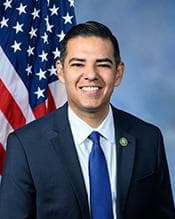
Robert Garcia
Democratic Representative
California
Cosponsors (18)
Ilhan Omar (Democratic)Juan Vargas (Democratic)Maxwell Frost (Democratic)Andrea Salinas (Democratic)Delia C. Ramirez (Democratic)Adriano Espaillat (Democratic)Shri Thanedar (Democratic)George Latimer (Democratic)Jasmine Crockett (Democratic)Daniel S. Goldman (Democratic)Eleanor Holmes Norton (Democratic)Norma J. Torres (Democratic)Lateefah Simon (Democratic)Mike Quigley (Democratic)Summer L. Lee (Democratic)Nydia M. Velázquez (Democratic)Nanette Diaz Barragán (Democratic)Rashida Tlaib (Democratic)
Judiciary Committee
- Introduced
- In Committee
- On Floor
- Passed Chamber
- Enacted
The Securing Help for Immigrants through Education and Legal Development Act, or SHIELD Act, establishes a grant program administered by the Attorney General through the Office of Access to Justice. This program aims to expand access to legal representation for individuals facing deportation by increasing the workforce and strengthening the legal services infrastructure. It recognizes that unlike the criminal legal system, there is no right to government-funded legal counsel for immigrants, leading to significant disadvantages in complex proceedings. Eligible entities for these competitive grants include States and local governments that already fund immigration legal services, as well as community-based organizations, nonprofits, and educational institutions that provide, coordinate, or train individuals for such services. Funds can be used for a wide range of activities. These include workforce recruitment and training programs for lawyers, accredited representatives, social workers, and community navigators entering the immigration legal services field. The grants also support technical assistance services, local or regional coordination, and retention improvement strategies to combat burnout and ensure sustainable growth in the legal services field. Furthermore, funds can be used to recruit and retain legal staff from underrepresented backgrounds and grow legal services infrastructure in areas with significant unmet needs. The bill emphasizes developing a workforce scaled to meet the representation needs of all individuals facing deportation, ensuring high-quality, holistic, and linguistically appropriate services. Grantees must submit certifications and annual reports detailing service types, impact on organizational capacity, expenditures, and continuing unmet needs. The Attorney General is tasked with independent implementation, prioritizing increased access to representation over immigration enforcement priorities. The bill authorizes $100,000,000 for each of fiscal years 2026 and 2027 to carry out these provisions, subject to accountability measures including audits and reporting requirements.
View Full TextSuggested Questions
Get AI-generated questions to help you understand this bill better
Timeline
Introduced in House
Referred to the House Committee on the Judiciary.
Immigration
SHIELD Act
USA119th CongressHR-3101| House
| Updated: 4/30/2025
The Securing Help for Immigrants through Education and Legal Development Act, or SHIELD Act, establishes a grant program administered by the Attorney General through the Office of Access to Justice. This program aims to expand access to legal representation for individuals facing deportation by increasing the workforce and strengthening the legal services infrastructure. It recognizes that unlike the criminal legal system, there is no right to government-funded legal counsel for immigrants, leading to significant disadvantages in complex proceedings. Eligible entities for these competitive grants include States and local governments that already fund immigration legal services, as well as community-based organizations, nonprofits, and educational institutions that provide, coordinate, or train individuals for such services. Funds can be used for a wide range of activities. These include workforce recruitment and training programs for lawyers, accredited representatives, social workers, and community navigators entering the immigration legal services field. The grants also support technical assistance services, local or regional coordination, and retention improvement strategies to combat burnout and ensure sustainable growth in the legal services field. Furthermore, funds can be used to recruit and retain legal staff from underrepresented backgrounds and grow legal services infrastructure in areas with significant unmet needs. The bill emphasizes developing a workforce scaled to meet the representation needs of all individuals facing deportation, ensuring high-quality, holistic, and linguistically appropriate services. Grantees must submit certifications and annual reports detailing service types, impact on organizational capacity, expenditures, and continuing unmet needs. The Attorney General is tasked with independent implementation, prioritizing increased access to representation over immigration enforcement priorities. The bill authorizes $100,000,000 for each of fiscal years 2026 and 2027 to carry out these provisions, subject to accountability measures including audits and reporting requirements.
View Full TextSuggested Questions
Get AI-generated questions to help you understand this bill better
Timeline
Introduced in House
Referred to the House Committee on the Judiciary.
Robert Garcia
Democratic Representative
California
Cosponsors (18)
Ilhan Omar (Democratic)Juan Vargas (Democratic)Maxwell Frost (Democratic)Andrea Salinas (Democratic)Delia C. Ramirez (Democratic)Adriano Espaillat (Democratic)Shri Thanedar (Democratic)George Latimer (Democratic)Jasmine Crockett (Democratic)Daniel S. Goldman (Democratic)Eleanor Holmes Norton (Democratic)Norma J. Torres (Democratic)Lateefah Simon (Democratic)Mike Quigley (Democratic)Summer L. Lee (Democratic)Nydia M. Velázquez (Democratic)Nanette Diaz Barragán (Democratic)Rashida Tlaib (Democratic)
Judiciary Committee
Immigration
- Introduced
- In Committee
- On Floor
- Passed Chamber
- Enacted