Farmer First Fuel Incentives Act
USA119th CongressHR-2867| House
| Updated: 4/10/2025
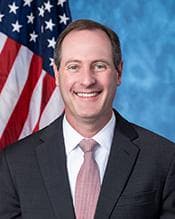
Tracey Mann
Republican Representative
Kansas
Ways and Means Committee
- Introduced
- In Committee
- On Floor
- Passed Chamber
- Enacted
This bill, known as the "Farmer First Fuel Incentives Act," significantly amends the Internal Revenue Code to modify the clean fuel production tax credit. It mandates that eligible transportation fuel must be derived from feedstocks produced or grown in the United States , thereby directing incentives towards domestic agriculture and energy production. The legislation also extends the clean fuel production credit's availability from December 31, 2027, to December 31, 2034 , providing a longer-term incentive for clean fuel development. Additionally, it refines the calculation of lifecycle greenhouse gas emissions by requiring the exclusion of indirect land use changes and increases the precision of the emissions factor rounding from 0.1 to 0.01 for a more accurate credit determination.
View Full TextSuggested Questions
Get AI-generated questions to help you understand this bill better
Timeline
Introduced in House
Referred to the House Committee on Ways and Means.
Taxation
Farmer First Fuel Incentives Act
USA119th CongressHR-2867| House
| Updated: 4/10/2025
This bill, known as the "Farmer First Fuel Incentives Act," significantly amends the Internal Revenue Code to modify the clean fuel production tax credit. It mandates that eligible transportation fuel must be derived from feedstocks produced or grown in the United States , thereby directing incentives towards domestic agriculture and energy production. The legislation also extends the clean fuel production credit's availability from December 31, 2027, to December 31, 2034 , providing a longer-term incentive for clean fuel development. Additionally, it refines the calculation of lifecycle greenhouse gas emissions by requiring the exclusion of indirect land use changes and increases the precision of the emissions factor rounding from 0.1 to 0.01 for a more accurate credit determination.
View Full TextSuggested Questions
Get AI-generated questions to help you understand this bill better
Timeline
Introduced in House
Referred to the House Committee on Ways and Means.
Tracey Mann
Republican Representative
Kansas
Ways and Means Committee
Taxation
Related Bills
- Introduced
- In Committee
- On Floor
- Passed Chamber
- Enacted