No Tax Breaks for Union Busting (NTBUB) Act
USA119th CongressHR-2692| House
| Updated: 4/7/2025
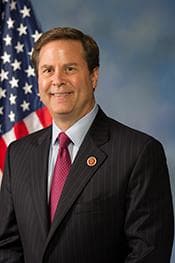
Donald Norcross
Democratic Representative
New Jersey
Cosponsors (136)
John W. Mannion (Democratic)Dwight Evans (Democratic)Kim Schrier (Democratic)April McClain Delaney (Democratic)Nikema Williams (Democratic)Yassamin Ansari (Democratic)Marcy Kaptur (Democratic)Becca Balint (Democratic)Laura Friedman (Democratic)John Garamendi (Democratic)Jared F. Golden (Democratic)Gilbert Ray Cisneros (Democratic)Sylvia R. Garcia (Democratic)Kelly Morrison (Democratic)Marc A. Veasey (Democratic)Mikie Sherrill (Democratic)Gabe Amo (Democratic)Ritchie Torres (Democratic)Robert Garcia (Democratic)Mark Pocan (Democratic)Robert Menendez (Democratic)Joyce Beatty (Democratic)Christopher R. Deluzio (Democratic)Emanuel Cleaver (Democratic)Chrissy Houlahan (Democratic)Darren Soto (Democratic)Bill Foster (Democratic)Patrick Ryan (Democratic)Sanford D. Bishop (Democratic)Ilhan Omar (Democratic)Shontel M. Brown (Democratic)Greg Landsman (Democratic)Kristen McDonald Rivet (Democratic)Frederica S. Wilson (Democratic)Troy A. Carter (Democratic)Eugene Simon Vindman (Democratic)Steven Horsford (Democratic)Jimmy Panetta (Democratic)Maxine Dexter (Democratic)Dina Titus (Democratic)Maxwell Frost (Democratic)Debbie Dingell (Democratic)Madeleine Dean (Democratic)Melanie A. Stansbury (Democratic)Suzan K. DelBene (Democratic)Sarah Elfreth (Democratic)Paul Tonko (Democratic)Angie Craig (Democratic)Delia C. Ramirez (Democratic)Thomas R. Suozzi (Democratic)Rosa L. DeLauro (Democratic)Greg Casar (Democratic)Haley M. Stevens (Democratic)Shri Thanedar (Democratic)Frank J. Mrvan (Democratic)Danny K. Davis (Democratic)Ted Lieu (Democratic)Ro Khanna (Democratic)George Latimer (Democratic)Henry C. "Hank" Johnson (Democratic)Al Green (Democratic)Nikki Budzinski (Democratic)Brendan F. Boyle (Democratic)John B. Larson (Democratic)Stephen F. Lynch (Democratic)Mark DeSaulnier (Democratic)Jill N. Tokuda (Democratic)Emilia Strong Sykes (Democratic)Daniel S. Goldman (Democratic)Jahana Hayes (Democratic)Morgan McGarvey (Democratic)Raja Krishnamoorthi (Democratic)Jerrold Nadler (Democratic)LaMonica McIver (Democratic)Adelita S. Grijalva (Democratic)Alma S. Adams (Democratic)Josh Harder (Democratic)Mark Takano (Democratic)Lucy McBath (Democratic)Pramila Jayapal (Democratic)Betty McCollum (Democratic)Eleanor Holmes Norton (Democratic)Val T. Hoyle (Democratic)Sharice Davids (Democratic)Brad Sherman (Democratic)Mary Gay Scanlon (Democratic)Wesley Bell (Democratic)Henry Cuellar (Democratic)Lateefah Simon (Democratic)Timothy M. Kennedy (Democratic)Josh Riley (Democratic)Joe Neguse (Democratic)Mike Quigley (Democratic)Lois Frankel (Democratic)Sean Casten (Democratic)Diana DeGette (Democratic)Eric Sorensen (Democratic)Janice D. Schakowsky (Democratic)James P. McGovern (Democratic)Alexandria Ocasio-Cortez (Democratic)Maxine Waters (Democratic)Summer L. Lee (Democratic)Adam Smith (Democratic)Nydia M. Velázquez (Democratic)Julia Brownley (Democratic)Johnny Olszewski (Democratic)Seth Magaziner (Democratic)Sarah McBride (Democratic)Yvette D. Clarke (Democratic)Rick Larsen (Democratic)Lori Trahan (Democratic)Seth Moulton (Democratic)Suzanne Bonamici (Democratic)Lizzie Fletcher (Democratic)Josh Gottheimer (Democratic)Linda T. Sánchez (Democratic)Emily Randall (Democratic)Zoe Lofgren (Democratic)Nanette Diaz Barragán (Democratic)Jesús G. "Chuy" García (Democratic)Kevin Mullin (Democratic)Jason Crow (Democratic)Frank Pallone (Democratic)Jimmy Gomez (Democratic)Grace Meng (Democratic)Valerie P. Foushee (Democratic)Rashida Tlaib (Democratic)Bradley Scott Schneider (Democratic)Kweisi Mfume (Democratic)Herbert C. Conaway (Democratic)Lloyd Doggett (Democratic)Debbie Wasserman Schultz (Democratic)Gerald E. Connolly (Democratic)Lauren Underwood (Democratic)Chellie Pingree (Democratic)Judy Chu (Democratic)
Ways and Means Committee
- Introduced
- In Committee
- On Floor
- Passed Chamber
- Enacted
The "No Tax Breaks for Union Busting (NTBUB) Act" aims to amend the Internal Revenue Code of 1986 by ending tax deductions for employer efforts to influence their workers' exercise of rights concerning labor organizations and collective action. Congress finds that despite the National Labor Relations Act's intent to protect workers' rights to organize, many employers spend millions annually on consultants and tactics to sway employee opinions, often involving unfair labor practices, which currently remain tax-deductible. The core provision of the bill modifies Section 162(e)(1) of the Internal Revenue Code to explicitly deny deductions for "any attempt to influence the taxpayer's employees with respect to labor organizations or labor organization activities." This includes activities related to labor organization elections, labor disputes, and collective actions as defined under the National Labor Relations Act and the Railway Labor Act. Specifically, non-deductible expenses will include amounts paid or incurred in connection with actions resulting in an unfair labor practice complaint , a settlement of such a charge, or a finding of interference by a federal court. It also covers costs associated with producing or conducting meetings or trainings where labor organizations or activities are discussed with employees, and any amounts required to be reported under the Labor-Management Reporting and Disclosure Act of 1959. However, the bill provides several exceptions, allowing deductions for expenses related to legitimate labor relations activities. These include amounts paid for communications or negotiations directly with designated employee representatives , legally required communications with shareholders, and expenses for voluntarily recognizing a labor organization. Costs associated with labor-management partnerships, grievance procedures, or communications legally required to be posted for employees also remain deductible. Furthermore, the bill establishes new information reporting requirements for employers and third parties engaging in these activities. Employers must provide detailed information on non-deductible expenditures, facing penalties for non-compliance, including a minimum of $10,000 or $1,000 per full-time equivalent employee. The Secretary of the Treasury is mandated to issue guidance and regulations within 240 days of enactment, with the amendments applying to taxable years beginning after this 240-day period.
Suggested Questions
Get AI-generated questions to help you understand this bill better
Timeline
Introduced in House
Referred to the House Committee on Ways and Means.
Taxation
No Tax Breaks for Union Busting (NTBUB) Act
USA119th CongressHR-2692| House
| Updated: 4/7/2025
The "No Tax Breaks for Union Busting (NTBUB) Act" aims to amend the Internal Revenue Code of 1986 by ending tax deductions for employer efforts to influence their workers' exercise of rights concerning labor organizations and collective action. Congress finds that despite the National Labor Relations Act's intent to protect workers' rights to organize, many employers spend millions annually on consultants and tactics to sway employee opinions, often involving unfair labor practices, which currently remain tax-deductible. The core provision of the bill modifies Section 162(e)(1) of the Internal Revenue Code to explicitly deny deductions for "any attempt to influence the taxpayer's employees with respect to labor organizations or labor organization activities." This includes activities related to labor organization elections, labor disputes, and collective actions as defined under the National Labor Relations Act and the Railway Labor Act. Specifically, non-deductible expenses will include amounts paid or incurred in connection with actions resulting in an unfair labor practice complaint , a settlement of such a charge, or a finding of interference by a federal court. It also covers costs associated with producing or conducting meetings or trainings where labor organizations or activities are discussed with employees, and any amounts required to be reported under the Labor-Management Reporting and Disclosure Act of 1959. However, the bill provides several exceptions, allowing deductions for expenses related to legitimate labor relations activities. These include amounts paid for communications or negotiations directly with designated employee representatives , legally required communications with shareholders, and expenses for voluntarily recognizing a labor organization. Costs associated with labor-management partnerships, grievance procedures, or communications legally required to be posted for employees also remain deductible. Furthermore, the bill establishes new information reporting requirements for employers and third parties engaging in these activities. Employers must provide detailed information on non-deductible expenditures, facing penalties for non-compliance, including a minimum of $10,000 or $1,000 per full-time equivalent employee. The Secretary of the Treasury is mandated to issue guidance and regulations within 240 days of enactment, with the amendments applying to taxable years beginning after this 240-day period.
Suggested Questions
Get AI-generated questions to help you understand this bill better
Timeline
Introduced in House
Referred to the House Committee on Ways and Means.
Donald Norcross
Democratic Representative
New Jersey
Cosponsors (136)
John W. Mannion (Democratic)Dwight Evans (Democratic)Kim Schrier (Democratic)April McClain Delaney (Democratic)Nikema Williams (Democratic)Yassamin Ansari (Democratic)Marcy Kaptur (Democratic)Becca Balint (Democratic)Laura Friedman (Democratic)John Garamendi (Democratic)Jared F. Golden (Democratic)Gilbert Ray Cisneros (Democratic)Sylvia R. Garcia (Democratic)Kelly Morrison (Democratic)Marc A. Veasey (Democratic)Mikie Sherrill (Democratic)Gabe Amo (Democratic)Ritchie Torres (Democratic)Robert Garcia (Democratic)Mark Pocan (Democratic)Robert Menendez (Democratic)Joyce Beatty (Democratic)Christopher R. Deluzio (Democratic)Emanuel Cleaver (Democratic)Chrissy Houlahan (Democratic)Darren Soto (Democratic)Bill Foster (Democratic)Patrick Ryan (Democratic)Sanford D. Bishop (Democratic)Ilhan Omar (Democratic)Shontel M. Brown (Democratic)Greg Landsman (Democratic)Kristen McDonald Rivet (Democratic)Frederica S. Wilson (Democratic)Troy A. Carter (Democratic)Eugene Simon Vindman (Democratic)Steven Horsford (Democratic)Jimmy Panetta (Democratic)Maxine Dexter (Democratic)Dina Titus (Democratic)Maxwell Frost (Democratic)Debbie Dingell (Democratic)Madeleine Dean (Democratic)Melanie A. Stansbury (Democratic)Suzan K. DelBene (Democratic)Sarah Elfreth (Democratic)Paul Tonko (Democratic)Angie Craig (Democratic)Delia C. Ramirez (Democratic)Thomas R. Suozzi (Democratic)Rosa L. DeLauro (Democratic)Greg Casar (Democratic)Haley M. Stevens (Democratic)Shri Thanedar (Democratic)Frank J. Mrvan (Democratic)Danny K. Davis (Democratic)Ted Lieu (Democratic)Ro Khanna (Democratic)George Latimer (Democratic)Henry C. "Hank" Johnson (Democratic)Al Green (Democratic)Nikki Budzinski (Democratic)Brendan F. Boyle (Democratic)John B. Larson (Democratic)Stephen F. Lynch (Democratic)Mark DeSaulnier (Democratic)Jill N. Tokuda (Democratic)Emilia Strong Sykes (Democratic)Daniel S. Goldman (Democratic)Jahana Hayes (Democratic)Morgan McGarvey (Democratic)Raja Krishnamoorthi (Democratic)Jerrold Nadler (Democratic)LaMonica McIver (Democratic)Adelita S. Grijalva (Democratic)Alma S. Adams (Democratic)Josh Harder (Democratic)Mark Takano (Democratic)Lucy McBath (Democratic)Pramila Jayapal (Democratic)Betty McCollum (Democratic)Eleanor Holmes Norton (Democratic)Val T. Hoyle (Democratic)Sharice Davids (Democratic)Brad Sherman (Democratic)Mary Gay Scanlon (Democratic)Wesley Bell (Democratic)Henry Cuellar (Democratic)Lateefah Simon (Democratic)Timothy M. Kennedy (Democratic)Josh Riley (Democratic)Joe Neguse (Democratic)Mike Quigley (Democratic)Lois Frankel (Democratic)Sean Casten (Democratic)Diana DeGette (Democratic)Eric Sorensen (Democratic)Janice D. Schakowsky (Democratic)James P. McGovern (Democratic)Alexandria Ocasio-Cortez (Democratic)Maxine Waters (Democratic)Summer L. Lee (Democratic)Adam Smith (Democratic)Nydia M. Velázquez (Democratic)Julia Brownley (Democratic)Johnny Olszewski (Democratic)Seth Magaziner (Democratic)Sarah McBride (Democratic)Yvette D. Clarke (Democratic)Rick Larsen (Democratic)Lori Trahan (Democratic)Seth Moulton (Democratic)Suzanne Bonamici (Democratic)Lizzie Fletcher (Democratic)Josh Gottheimer (Democratic)Linda T. Sánchez (Democratic)Emily Randall (Democratic)Zoe Lofgren (Democratic)Nanette Diaz Barragán (Democratic)Jesús G. "Chuy" García (Democratic)Kevin Mullin (Democratic)Jason Crow (Democratic)Frank Pallone (Democratic)Jimmy Gomez (Democratic)Grace Meng (Democratic)Valerie P. Foushee (Democratic)Rashida Tlaib (Democratic)Bradley Scott Schneider (Democratic)Kweisi Mfume (Democratic)Herbert C. Conaway (Democratic)Lloyd Doggett (Democratic)Debbie Wasserman Schultz (Democratic)Gerald E. Connolly (Democratic)Lauren Underwood (Democratic)Chellie Pingree (Democratic)Judy Chu (Democratic)
Ways and Means Committee
Taxation
- Introduced
- In Committee
- On Floor
- Passed Chamber
- Enacted