Community First Act
USA119th CongressHR-2669| House
| Updated: 4/10/2025
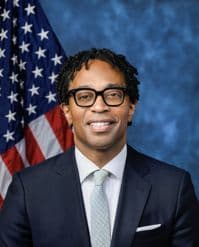
Wesley Bell
Democratic Representative
Missouri
Cosponsors (14)
Yassamin Ansari (Democratic)Jonathan L. Jackson (Democratic)Shomari Figures (Democratic)Emanuel Cleaver (Democratic)Sanford D. Bishop (Democratic)Frederica S. Wilson (Democratic)Shri Thanedar (Democratic)Jasmine Crockett (Democratic)Henry C. "Hank" Johnson (Democratic)Glenn Ivey (Democratic)LaMonica McIver (Democratic)Eleanor Holmes Norton (Democratic)Yvette D. Clarke (Democratic)Bennie G. Thompson (Democratic)
Judiciary Committee
- Introduced
- In Committee
- On Floor
- Passed Chamber
- Enacted
This bill, known as the "Community First Pretrial Reform Act," establishes a new Justice Department grant program through the Bureau of Justice Assistance. The program aims to significantly reduce the number of individuals incarcerated in local jails and the duration of their stays, while also supporting community-led local justice reinvestment initiatives. Grants are available for two main purposes: initial analysis and planning, and subsequent implementation of strategies to achieve these reductions. Eligible recipients are partnerships comprising local governments, territories, Indian tribes, and nonprofit organizations. Implementation grants can fund various activities designed to decrease jail populations, including reducing the use of cash bail , limiting revocations of conditional release, and creating or expanding pretrial services and diversion programs. Grantees are required to consult with a wide range of stakeholders, analyze local incarceration data to identify drivers and equity disparities, and commit to specific annual reductions in incarceration rates, aiming for a 50 percent decrease by the end of the grant period. They must also adopt methodologies for measuring and reducing equity disparities across all races and ethnicities. The bill mandates external evaluation and requires grantees to use financial savings from decreased incarceration to sustain programmatic and community-based efforts. Failure to meet incarceration rate reduction requirements can lead to audits and, for consecutive failures, termination of the award. Planning grants are capped at $100,000 for one year, while implementation grants are for six years, starting between $500,000 and $3,000,000 and decreasing annually, with the final year dedicated to evaluation. Priority for selection is given to jurisdictions with high incarceration rates, those preventing jail expansion, and ensuring awards benefit smaller metropolitan or noncore areas. The bill authorizes $20 million annually for planning grants and $100 million annually for implementation grants from fiscal years 2026 through 2030.
View Full TextSuggested Questions
Get AI-generated questions to help you understand this bill better
Timeline
Introduced in House
Referred to the House Committee on the Judiciary.
Sponsor introductory remarks on measure. (CR H1568)
Crime and Law Enforcement
Community First Act
USA119th CongressHR-2669| House
| Updated: 4/10/2025
This bill, known as the "Community First Pretrial Reform Act," establishes a new Justice Department grant program through the Bureau of Justice Assistance. The program aims to significantly reduce the number of individuals incarcerated in local jails and the duration of their stays, while also supporting community-led local justice reinvestment initiatives. Grants are available for two main purposes: initial analysis and planning, and subsequent implementation of strategies to achieve these reductions. Eligible recipients are partnerships comprising local governments, territories, Indian tribes, and nonprofit organizations. Implementation grants can fund various activities designed to decrease jail populations, including reducing the use of cash bail , limiting revocations of conditional release, and creating or expanding pretrial services and diversion programs. Grantees are required to consult with a wide range of stakeholders, analyze local incarceration data to identify drivers and equity disparities, and commit to specific annual reductions in incarceration rates, aiming for a 50 percent decrease by the end of the grant period. They must also adopt methodologies for measuring and reducing equity disparities across all races and ethnicities. The bill mandates external evaluation and requires grantees to use financial savings from decreased incarceration to sustain programmatic and community-based efforts. Failure to meet incarceration rate reduction requirements can lead to audits and, for consecutive failures, termination of the award. Planning grants are capped at $100,000 for one year, while implementation grants are for six years, starting between $500,000 and $3,000,000 and decreasing annually, with the final year dedicated to evaluation. Priority for selection is given to jurisdictions with high incarceration rates, those preventing jail expansion, and ensuring awards benefit smaller metropolitan or noncore areas. The bill authorizes $20 million annually for planning grants and $100 million annually for implementation grants from fiscal years 2026 through 2030.
View Full TextSuggested Questions
Get AI-generated questions to help you understand this bill better
Timeline
Introduced in House
Referred to the House Committee on the Judiciary.
Sponsor introductory remarks on measure. (CR H1568)
Wesley Bell
Democratic Representative
Missouri
Cosponsors (14)
Yassamin Ansari (Democratic)Jonathan L. Jackson (Democratic)Shomari Figures (Democratic)Emanuel Cleaver (Democratic)Sanford D. Bishop (Democratic)Frederica S. Wilson (Democratic)Shri Thanedar (Democratic)Jasmine Crockett (Democratic)Henry C. "Hank" Johnson (Democratic)Glenn Ivey (Democratic)LaMonica McIver (Democratic)Eleanor Holmes Norton (Democratic)Yvette D. Clarke (Democratic)Bennie G. Thompson (Democratic)
Judiciary Committee
Crime and Law Enforcement
- Introduced
- In Committee
- On Floor
- Passed Chamber
- Enacted