Defending American Diplomacy Act
USA119th CongressHR-2602| House
| Updated: 4/2/2025
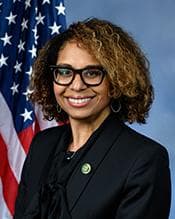
Sydney Kamlager-Dove
Democratic Representative
California
Cosponsors (40)
Nikema Williams (Democratic)John Garamendi (Democratic)Jonathan L. Jackson (Democratic)Gilbert Ray Cisneros (Democratic)Gabe Amo (Democratic)Julie Johnson (Democratic)Emanuel Cleaver (Democratic)James R. Walkinshaw (Democratic)Troy A. Carter (Democratic)Dina Titus (Democratic)Steve Cohen (Democratic)Paul Tonko (Democratic)Shri Thanedar (Democratic)Ted Lieu (Democratic)Ro Khanna (Democratic)Greg Stanton (Democratic)Henry C. "Hank" Johnson (Democratic)Sheila Cherfilus-McCormick (Democratic)Joaquin Castro (Democratic)Jill N. Tokuda (Democratic)Sara Jacobs (Democratic)Daniel S. Goldman (Democratic)Gregory W. Meeks (Democratic)Jerrold Nadler (Democratic)LaMonica McIver (Democratic)Ami Bera (Democratic)Pramila Jayapal (Democratic)Eleanor Holmes Norton (Democratic)Bonnie Watson Coleman (Democratic)Wesley Bell (Democratic)James P. McGovern (Democratic)Nydia M. Velázquez (Democratic)William R. Keating (Democratic)Johnny Olszewski (Democratic)Sarah McBride (Democratic)Lizzie Fletcher (Democratic)Rashida Tlaib (Democratic)Kweisi Mfume (Democratic)Gerald E. Connolly (Democratic)Chellie Pingree (Democratic)
Foreign Affairs Committee
- Introduced
- In Committee
- On Floor
- Passed Chamber
- Enacted
This bill prohibits any reorganization of the Department of State unless Congress provides specific statutory authorization and the Secretary of State submits a detailed plan to relevant congressional committees. This measure ensures that significant structural changes to the nation's diplomatic apparatus receive explicit legislative approval and robust oversight. The legislation defines "reorganization" as any action requiring prior consultation and notification under existing law. Non-compliance would trigger severe financial penalties, including withholding federal funds from any "Department of Government Efficiency" and prohibiting official travel by politically appointed officials of the Department of State. The required detailed plan must comprehensively outline proposed changes, their justification, and potential impacts on U.S. foreign policy interests, diplomatic operations, consular services, and international commitments, alongside an assessment of risks, workforce impacts, and transition plans. This ensures a thorough and transparent evaluation of any proposed restructuring.
View Full TextSuggested Questions
Get AI-generated questions to help you understand this bill better
Timeline
Introduced in House
Referred to the House Committee on Foreign Affairs.
International Affairs
Defending American Diplomacy Act
USA119th CongressHR-2602| House
| Updated: 4/2/2025
This bill prohibits any reorganization of the Department of State unless Congress provides specific statutory authorization and the Secretary of State submits a detailed plan to relevant congressional committees. This measure ensures that significant structural changes to the nation's diplomatic apparatus receive explicit legislative approval and robust oversight. The legislation defines "reorganization" as any action requiring prior consultation and notification under existing law. Non-compliance would trigger severe financial penalties, including withholding federal funds from any "Department of Government Efficiency" and prohibiting official travel by politically appointed officials of the Department of State. The required detailed plan must comprehensively outline proposed changes, their justification, and potential impacts on U.S. foreign policy interests, diplomatic operations, consular services, and international commitments, alongside an assessment of risks, workforce impacts, and transition plans. This ensures a thorough and transparent evaluation of any proposed restructuring.
View Full TextSuggested Questions
Get AI-generated questions to help you understand this bill better
Timeline
Introduced in House
Referred to the House Committee on Foreign Affairs.
Sydney Kamlager-Dove
Democratic Representative
California
Cosponsors (40)
Nikema Williams (Democratic)John Garamendi (Democratic)Jonathan L. Jackson (Democratic)Gilbert Ray Cisneros (Democratic)Gabe Amo (Democratic)Julie Johnson (Democratic)Emanuel Cleaver (Democratic)James R. Walkinshaw (Democratic)Troy A. Carter (Democratic)Dina Titus (Democratic)Steve Cohen (Democratic)Paul Tonko (Democratic)Shri Thanedar (Democratic)Ted Lieu (Democratic)Ro Khanna (Democratic)Greg Stanton (Democratic)Henry C. "Hank" Johnson (Democratic)Sheila Cherfilus-McCormick (Democratic)Joaquin Castro (Democratic)Jill N. Tokuda (Democratic)Sara Jacobs (Democratic)Daniel S. Goldman (Democratic)Gregory W. Meeks (Democratic)Jerrold Nadler (Democratic)LaMonica McIver (Democratic)Ami Bera (Democratic)Pramila Jayapal (Democratic)Eleanor Holmes Norton (Democratic)Bonnie Watson Coleman (Democratic)Wesley Bell (Democratic)James P. McGovern (Democratic)Nydia M. Velázquez (Democratic)William R. Keating (Democratic)Johnny Olszewski (Democratic)Sarah McBride (Democratic)Lizzie Fletcher (Democratic)Rashida Tlaib (Democratic)Kweisi Mfume (Democratic)Gerald E. Connolly (Democratic)Chellie Pingree (Democratic)
Foreign Affairs Committee
International Affairs
- Introduced
- In Committee
- On Floor
- Passed Chamber
- Enacted