State-Managed Disaster Relief Act
USA119th CongressHR-2342| House
| Updated: 3/25/2025
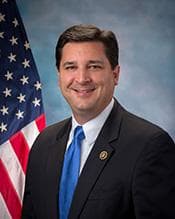
David Rouzer
Republican Representative
North Carolina
Cosponsors (1)
Transportation and Infrastructure Committee, Economic Development, Public Buildings, and Emergency Management Subcommittee
- Introduced
- In Committee
- On Floor
- Passed Chamber
- Enacted
This bill amends the Robert T. Stafford Disaster Relief and Emergency Assistance Act to establish an alternative procedure for funding certain small disasters. It allows a State Governor or Indian tribal government to request a lump sum payment for a "covered small disaster" instead of participating in the traditional Public Assistance Program. A "covered small disaster" is defined as a major disaster or emergency with estimated Public Assistance Program damage not exceeding 125 percent of the State's per capita indicator. The lump sum payment would be equal to 80 percent of the total estimated cost of assistance under the Public Assistance Program for that disaster. States or tribal governments choosing this option cannot receive additional Public Assistance Program aid for the same incident, and the payment is generally final. To be eligible, they must have an approved administrative plan and agree on the payment amount with FEMA within 90 days. This approach grants greater flexibility in how funds are used for recovery, requiring compliance with applicable environmental, historic preservation, and civil rights laws.
View Full TextSuggested Questions
Get AI-generated questions to help you understand this bill better
Timeline
Introduced in House
Referred to the House Committee on Transportation and Infrastructure.
Referred to the Subcommittee on Economic Development, Public Buildings, and Emergency Management.
Emergency Management
State-Managed Disaster Relief Act
USA119th CongressHR-2342| House
| Updated: 3/25/2025
This bill amends the Robert T. Stafford Disaster Relief and Emergency Assistance Act to establish an alternative procedure for funding certain small disasters. It allows a State Governor or Indian tribal government to request a lump sum payment for a "covered small disaster" instead of participating in the traditional Public Assistance Program. A "covered small disaster" is defined as a major disaster or emergency with estimated Public Assistance Program damage not exceeding 125 percent of the State's per capita indicator. The lump sum payment would be equal to 80 percent of the total estimated cost of assistance under the Public Assistance Program for that disaster. States or tribal governments choosing this option cannot receive additional Public Assistance Program aid for the same incident, and the payment is generally final. To be eligible, they must have an approved administrative plan and agree on the payment amount with FEMA within 90 days. This approach grants greater flexibility in how funds are used for recovery, requiring compliance with applicable environmental, historic preservation, and civil rights laws.
View Full TextSuggested Questions
Get AI-generated questions to help you understand this bill better
Timeline
Introduced in House
Referred to the House Committee on Transportation and Infrastructure.
Referred to the Subcommittee on Economic Development, Public Buildings, and Emergency Management.
David Rouzer
Republican Representative
North Carolina
Cosponsors (1)
Transportation and Infrastructure Committee, Economic Development, Public Buildings, and Emergency Management Subcommittee
Emergency Management
Related Bills
- Introduced
- In Committee
- On Floor
- Passed Chamber
- Enacted