Illegitimate Court Counteraction Act
USA119th CongressHR-23| House
| Updated: 1/28/2025
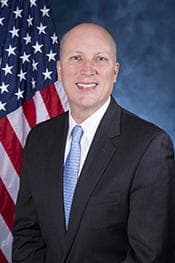
Chip Roy
Republican Representative
Texas
Cosponsors (38)
Clay Higgins (Republican)Richard McCormick (Republican)Steve Womack (Republican)Elijah Crane (Republican)Lance Gooden (Republican)Keith Self (Republican)Claudia Tenney (Republican)Beth Van Duyne (Republican)Pete Sessions (Republican)Andy Biggs (Republican)Brandon Gill (Republican)Brian Jack (Republican)Thomas H. Kean (Republican)Ronny Jackson (Republican)Andy Barr (Republican)Jodey C. Arrington (Republican)Joe Wilson (Republican)Jake Ellzey (Republican)Brad Finstad (Republican)Brian J. Mast (Republican)Nicholas A. Langworthy (Republican)Charles J. "Chuck" Fleischmann (Republican)Michael Cloud (Republican)Mark E. Green (Republican)Michael T. McCaul (Republican)Wesley Hunt (Republican)John W. Rose (Republican)Dan Crenshaw (Republican)Max L. Miller (Republican)Randy Feenstra (Republican)John J. McGuire (Republican)Tom Barrett (Republican)Randy K. Sr. Weber (Republican)Ben Cline (Republican)Michael Lawler (Republican)Erin Houchin (Republican)Michael Guest (Republican)Vern Buchanan (Republican)
Foreign Affairs Committee, Appropriations Committee, Judiciary Committee
- Introduced
- In Committee
- On Floor
- Passed Chamber
- Enacted
The "Illegitimate Court Counteraction Act" aims to impose sanctions on the International Criminal Court (ICC) in response to its efforts to investigate, arrest, detain, or prosecute individuals deemed "protected persons" of the United States and its allies. This action is motivated by the belief that the ICC lacks legitimate jurisdiction over the U.S. and Israel, neither of which are parties to the Rome Statute, and specifically condemns the ICC's recent actions against Israeli officials. The bill mandates the President to impose sanctions on any foreign person, and their immediate family members, who directly engage in or materially support ICC efforts against protected persons. These sanctions include blocking property within U.S. jurisdiction and rendering individuals inadmissible for U.S. visas , with existing visas subject to immediate revocation. The President must notify Congress of any sanctions imposed and can waive them for national security reasons or terminate them if the ICC ceases all such efforts. A "protected person" is broadly defined to include any U.S. person, such as military members and government officials, as well as citizens or lawful residents of U.S. allies who have not consented to ICC jurisdiction. Furthermore, the legislation immediately rescinds all existing U.S. funds appropriated for the ICC and explicitly prohibits any future appropriations to the court.
Suggested Questions
Get AI-generated questions to help you understand this bill better
Timeline
Introduced in House
Referred to the Committee on Foreign Affairs, and in addition to the Committees on the Judiciary, and Appropriations, for a period to be subsequently determined by the Speaker, in each case for consideration of such provisions as fall within the jurisdiction of the committee concerned.
Received in the Senate. Read the first time. Placed on Senate Legislative Calendar under Read the First Time.
Considered under the provisions of rule H. Res. 5. (consideration: CR H67-74)
DEBATE - The House proceeded with one hour of debate on H.R. 23.
The previous question was ordered pursuant to the rule.
POSTPONED PROCEEDINGS - At the conclusion of debate on H.R. 23, the Chair put the question on passage of the bill and by voice vote, announced that the ayes had prevailed. Mr. Mast demanded the yeas and nays and the Chair postponed further proceedings until a time to be announced.
Considered as unfinished business. (consideration: CR H75-76)
On passage Passed by the Yeas and Nays: 243 - 140, 1 Present (Roll no. 7). (text: CR H67-69)
View VoteMotion to reconsider laid on the table Agreed to without objection.
Read the second time. Placed on Senate Legislative Calendar under General Orders. Calendar No. 3.
Motion to proceed to consideration of measure made in Senate. (CR S307)
Cloture motion on the motion to proceed to the measure presented in Senate. (CR S307)
Cloture on the motion to proceed to the measure not invoked in Senate by Yea-Nay Vote. 54 - 45. Record Vote Number: 22. (CR S410)
View VoteInternational Affairs
Criminal investigation, prosecution, interrogationDetention of personsFamily relationshipsForeign propertyInternational law and treatiesPresidents and presidential powers, Vice PresidentsSanctionsSpecialized courtsU.S. and foreign investmentsVisas and passports
Illegitimate Court Counteraction Act
USA119th CongressHR-23| House
| Updated: 1/28/2025
The "Illegitimate Court Counteraction Act" aims to impose sanctions on the International Criminal Court (ICC) in response to its efforts to investigate, arrest, detain, or prosecute individuals deemed "protected persons" of the United States and its allies. This action is motivated by the belief that the ICC lacks legitimate jurisdiction over the U.S. and Israel, neither of which are parties to the Rome Statute, and specifically condemns the ICC's recent actions against Israeli officials. The bill mandates the President to impose sanctions on any foreign person, and their immediate family members, who directly engage in or materially support ICC efforts against protected persons. These sanctions include blocking property within U.S. jurisdiction and rendering individuals inadmissible for U.S. visas , with existing visas subject to immediate revocation. The President must notify Congress of any sanctions imposed and can waive them for national security reasons or terminate them if the ICC ceases all such efforts. A "protected person" is broadly defined to include any U.S. person, such as military members and government officials, as well as citizens or lawful residents of U.S. allies who have not consented to ICC jurisdiction. Furthermore, the legislation immediately rescinds all existing U.S. funds appropriated for the ICC and explicitly prohibits any future appropriations to the court.
Suggested Questions
Get AI-generated questions to help you understand this bill better
Timeline
Introduced in House
Referred to the Committee on Foreign Affairs, and in addition to the Committees on the Judiciary, and Appropriations, for a period to be subsequently determined by the Speaker, in each case for consideration of such provisions as fall within the jurisdiction of the committee concerned.
Received in the Senate. Read the first time. Placed on Senate Legislative Calendar under Read the First Time.
Considered under the provisions of rule H. Res. 5. (consideration: CR H67-74)
DEBATE - The House proceeded with one hour of debate on H.R. 23.
The previous question was ordered pursuant to the rule.
POSTPONED PROCEEDINGS - At the conclusion of debate on H.R. 23, the Chair put the question on passage of the bill and by voice vote, announced that the ayes had prevailed. Mr. Mast demanded the yeas and nays and the Chair postponed further proceedings until a time to be announced.
Considered as unfinished business. (consideration: CR H75-76)
On passage Passed by the Yeas and Nays: 243 - 140, 1 Present (Roll no. 7). (text: CR H67-69)
View VoteMotion to reconsider laid on the table Agreed to without objection.
Read the second time. Placed on Senate Legislative Calendar under General Orders. Calendar No. 3.
Motion to proceed to consideration of measure made in Senate. (CR S307)
Cloture motion on the motion to proceed to the measure presented in Senate. (CR S307)
Cloture on the motion to proceed to the measure not invoked in Senate by Yea-Nay Vote. 54 - 45. Record Vote Number: 22. (CR S410)
View VoteChip Roy
Republican Representative
Texas
Cosponsors (38)
Clay Higgins (Republican)Richard McCormick (Republican)Steve Womack (Republican)Elijah Crane (Republican)Lance Gooden (Republican)Keith Self (Republican)Claudia Tenney (Republican)Beth Van Duyne (Republican)Pete Sessions (Republican)Andy Biggs (Republican)Brandon Gill (Republican)Brian Jack (Republican)Thomas H. Kean (Republican)Ronny Jackson (Republican)Andy Barr (Republican)Jodey C. Arrington (Republican)Joe Wilson (Republican)Jake Ellzey (Republican)Brad Finstad (Republican)Brian J. Mast (Republican)Nicholas A. Langworthy (Republican)Charles J. "Chuck" Fleischmann (Republican)Michael Cloud (Republican)Mark E. Green (Republican)Michael T. McCaul (Republican)Wesley Hunt (Republican)John W. Rose (Republican)Dan Crenshaw (Republican)Max L. Miller (Republican)Randy Feenstra (Republican)John J. McGuire (Republican)Tom Barrett (Republican)Randy K. Sr. Weber (Republican)Ben Cline (Republican)Michael Lawler (Republican)Erin Houchin (Republican)Michael Guest (Republican)Vern Buchanan (Republican)
Foreign Affairs Committee, Appropriations Committee, Judiciary Committee
International Affairs
- Introduced
- In Committee
- On Floor
- Passed Chamber
- Enacted
Criminal investigation, prosecution, interrogationDetention of personsFamily relationshipsForeign propertyInternational law and treatiesPresidents and presidential powers, Vice PresidentsSanctionsSpecialized courtsU.S. and foreign investmentsVisas and passports