Pre-Pilot Pathway Act
USA119th CongressHR-2182| House
| Updated: 3/18/2025
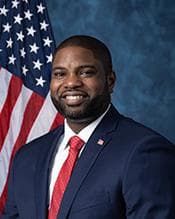
Byron Donalds
Republican Representative
Florida
Transportation and Infrastructure Committee
- Introduced
- In Committee
- On Floor
- Passed Chamber
- Enacted
This legislation mandates the Secretary of Transportation to establish an apprenticeship program for students enrolled at flight training providers certified under federal regulations. The primary goal of this initiative is to cultivate a robust pipeline of qualified and interested individuals prepared to become commercial pilots. The Secretary will consult with relevant industry stakeholders and flight training providers during the establishment process, and participation in the program by these providers is entirely optional. Under the program, participating flight training providers may select up to eight applicants annually, with potential for more based on the Secretary's discretion, to serve as apprentices. Apprentices must satisfy all relevant curriculum and requirements under Part 141 of federal regulations to graduate, though providers can impose additional requirements. Furthermore, the bill directs the Secretary to develop methods to incentivize retired pilots , including military and airline pilots, to become instructors, mentors, or advisors within these participating flight training programs. The Secretary is also required to submit annual reports to Congress detailing apprentice progress, retention rates, and post-graduation employment outcomes, alongside an annual evaluation of the program's effectiveness in addressing pilot shortages.
Suggested Questions
Get AI-generated questions to help you understand this bill better
Timeline
Introduced in House
Referred to the House Committee on Transportation and Infrastructure.
Referred to the Subcommittee on Aviation.
Transportation and Public Works
Pre-Pilot Pathway Act
USA119th CongressHR-2182| House
| Updated: 3/18/2025
This legislation mandates the Secretary of Transportation to establish an apprenticeship program for students enrolled at flight training providers certified under federal regulations. The primary goal of this initiative is to cultivate a robust pipeline of qualified and interested individuals prepared to become commercial pilots. The Secretary will consult with relevant industry stakeholders and flight training providers during the establishment process, and participation in the program by these providers is entirely optional. Under the program, participating flight training providers may select up to eight applicants annually, with potential for more based on the Secretary's discretion, to serve as apprentices. Apprentices must satisfy all relevant curriculum and requirements under Part 141 of federal regulations to graduate, though providers can impose additional requirements. Furthermore, the bill directs the Secretary to develop methods to incentivize retired pilots , including military and airline pilots, to become instructors, mentors, or advisors within these participating flight training programs. The Secretary is also required to submit annual reports to Congress detailing apprentice progress, retention rates, and post-graduation employment outcomes, alongside an annual evaluation of the program's effectiveness in addressing pilot shortages.
Suggested Questions
Get AI-generated questions to help you understand this bill better
Timeline
Introduced in House
Referred to the House Committee on Transportation and Infrastructure.
Referred to the Subcommittee on Aviation.
Byron Donalds
Republican Representative
Florida
Transportation and Infrastructure Committee
Transportation and Public Works
- Introduced
- In Committee
- On Floor
- Passed Chamber
- Enacted