Safe Routes Act of 2025
USA119th CongressHR-2166| House
| Updated: 3/14/2025
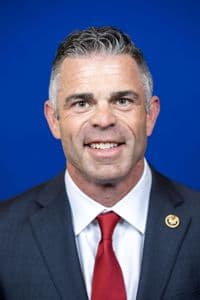
Tony Wied
Republican Representative
Wisconsin
Cosponsors (19)
Sheri Biggs (Republican)Barry Moore (Republican)Jared F. Golden (Democratic)Neal P. Dunn (Republican)Thomas P. Tiffany (Republican)Mike Collins (Republican)Mike Ezell (Republican)Glenn Thompson (Republican)Eugene Simon Vindman (Democratic)Pete Sessions (Republican)Earl L. "Buddy" Carter (Republican)Jeff Hurd (Republican)Barry Loudermilk (Republican)H. Morgan Griffith (Republican)Glenn Grothman (Republican)Bruce Westerman (Republican)Derrick Van Orden (Republican)John J. McGuire (Republican)Ben Cline (Republican)
Transportation and Infrastructure Committee, Highways and Transit Subcommittee
- Introduced
- In Committee
- On Floor
- Passed Chamber
- Enacted
The "Safe Routes Act of 2025" proposes to amend federal transportation law by requiring the Secretary of Transportation to waive federal vehicle weight limitations for specific logging vehicles. This waiver would exempt these vehicles from the standard federal weight limits established under Title 23, United States Code, thereby easing restrictions on the transport of raw forest products. A covered logging vehicle is precisely defined as one transporting raw or unfinished forest products, such as logs, pulpwood, or wood chips, traveling a distance not exceeding 150 air miles on the Interstate from its origin to a storage or processing facility. Importantly, these vehicles must still adhere to the State legal weight tolerances and vehicle configurations that were in effect on the date of the bill's enactment within the state of operation. This provision ensures that while federal limits are waived, state-level safety and infrastructure considerations are maintained based on pre-existing regulations.
Suggested Questions
Get AI-generated questions to help you understand this bill better
Timeline
Introduced in House
Referred to the Subcommittee on Highways and Transit.
Referred to the House Committee on Transportation and Infrastructure.
Transportation and Public Works
Safe Routes Act of 2025
USA119th CongressHR-2166| House
| Updated: 3/14/2025
The "Safe Routes Act of 2025" proposes to amend federal transportation law by requiring the Secretary of Transportation to waive federal vehicle weight limitations for specific logging vehicles. This waiver would exempt these vehicles from the standard federal weight limits established under Title 23, United States Code, thereby easing restrictions on the transport of raw forest products. A covered logging vehicle is precisely defined as one transporting raw or unfinished forest products, such as logs, pulpwood, or wood chips, traveling a distance not exceeding 150 air miles on the Interstate from its origin to a storage or processing facility. Importantly, these vehicles must still adhere to the State legal weight tolerances and vehicle configurations that were in effect on the date of the bill's enactment within the state of operation. This provision ensures that while federal limits are waived, state-level safety and infrastructure considerations are maintained based on pre-existing regulations.
Suggested Questions
Get AI-generated questions to help you understand this bill better
Timeline
Introduced in House
Referred to the Subcommittee on Highways and Transit.
Referred to the House Committee on Transportation and Infrastructure.
Tony Wied
Republican Representative
Wisconsin
Cosponsors (19)
Sheri Biggs (Republican)Barry Moore (Republican)Jared F. Golden (Democratic)Neal P. Dunn (Republican)Thomas P. Tiffany (Republican)Mike Collins (Republican)Mike Ezell (Republican)Glenn Thompson (Republican)Eugene Simon Vindman (Democratic)Pete Sessions (Republican)Earl L. "Buddy" Carter (Republican)Jeff Hurd (Republican)Barry Loudermilk (Republican)H. Morgan Griffith (Republican)Glenn Grothman (Republican)Bruce Westerman (Republican)Derrick Van Orden (Republican)John J. McGuire (Republican)Ben Cline (Republican)
Transportation and Infrastructure Committee, Highways and Transit Subcommittee
Transportation and Public Works
- Introduced
- In Committee
- On Floor
- Passed Chamber
- Enacted