Richard L. Trumka Protecting the Right to Organize Act of 2025
USA119th CongressHR-20| House
| Updated: 3/5/2025
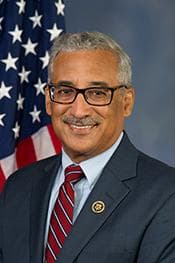
Robert C. "Bobby" Scott
Democratic Representative
Virginia
Cosponsors (216)
John W. Mannion (Democratic)Dwight Evans (Democratic)Kim Schrier (Democratic)Stacey E. Plaskett (Democratic)April McClain Delaney (Democratic)Donald Norcross (Democratic)Sam T. Liccardo (Democratic)Nikema Williams (Democratic)Yassamin Ansari (Democratic)Marcy Kaptur (Democratic)Becca Balint (Democratic)Laura Friedman (Democratic)John Garamendi (Democratic)Jonathan L. Jackson (Democratic)Jared F. Golden (Democratic)Gilbert Ray Cisneros (Democratic)Sylvia R. Garcia (Democratic)Chris Pappas (Democratic)Kelly Morrison (Democratic)Jared Huffman (Democratic)Marc A. Veasey (Democratic)Steny H. Hoyer (Democratic)Mikie Sherrill (Democratic)Gabe Amo (Democratic)Robin L. Kelly (Democratic)Shomari Figures (Democratic)Julie Johnson (Democratic)Raúl M. Grijalva (Democratic)Ritchie Torres (Democratic)Robert Garcia (Democratic)Marie Gluesenkamp Perez (Democratic)Mark Pocan (Democratic)Robert Menendez (Democratic)Analilia Mejia (Democratic)Joyce Beatty (Democratic)Jennifer L. McClellan (Democratic)Gabe Vasquez (Democratic)Ed Case (Democratic)Christopher R. Deluzio (Democratic)Emanuel Cleaver (Democratic)Chrissy Houlahan (Democratic)Darren Soto (Democratic)Raul Ruiz (Democratic)Bill Foster (Democratic)Patrick Ryan (Democratic)Joe Courtney (Democratic)Sanford D. Bishop (Democratic)Ilhan Omar (Democratic)Pete Aguilar (Democratic)Shontel M. Brown (Democratic)Greg Landsman (Democratic)Laura Gillen (Democratic)David Scott (Democratic)Kristen McDonald Rivet (Democratic)Frederica S. Wilson (Democratic)Juan Vargas (Democratic)Terri A. Sewell (Democratic)James R. Walkinshaw (Democratic)Troy A. Carter (Democratic)Eugene Simon Vindman (Democratic)Steven Horsford (Democratic)Jimmy Panetta (Democratic)Maxine Dexter (Democratic)Eric Swalwell (Democratic)Dina Titus (Democratic)Maxwell Frost (Democratic)Debbie Dingell (Democratic)Madeleine Dean (Democratic)Melanie A. Stansbury (Democratic)Katherine M. Clark (Democratic)Steve Cohen (Democratic)Suzan K. DelBene (Democratic)Scott H. Peters (Democratic)Sarah Elfreth (Democratic)Andrea Salinas (Democratic)Paul Tonko (Democratic)Angie Craig (Democratic)Delia C. Ramirez (Democratic)Donald G. Davis (Democratic)Janelle S. Bynum (Democratic)Thomas R. Suozzi (Democratic)Rosa L. DeLauro (Democratic)Greg Casar (Democratic)Haley M. Stevens (Democratic)Christian D. Menefee (Democratic)Dave Min (Democratic)Adriano Espaillat (Democratic)Shri Thanedar (Democratic)Frank J. Mrvan (Democratic)Danny K. Davis (Democratic)Ted Lieu (Democratic)Ro Khanna (Democratic)Greg Stanton (Democratic)George Latimer (Democratic)Jasmine Crockett (Democratic)Henry C. "Hank" Johnson (Democratic)Derek Tran (Democratic)Sheila Cherfilus-McCormick (Democratic)Al Green (Democratic)Nikki Budzinski (Democratic)André Carson (Democratic)Brendan F. Boyle (Democratic)Christopher H. Smith (Republican)John B. Larson (Democratic)Joaquin Castro (Democratic)Stephen F. Lynch (Democratic)Mark DeSaulnier (Democratic)Jill N. Tokuda (Democratic)Joseph D. Morelle (Democratic)Emilia Strong Sykes (Democratic)Glenn Ivey (Democratic)Doris O. Matsui (Democratic)Hillary J. Scholten (Democratic)Sara Jacobs (Democratic)Marilyn Strickland (Democratic)Suhas Subramanyam (Democratic)Daniel S. Goldman (Democratic)Gregory W. Meeks (Democratic)Jahana Hayes (Democratic)Morgan McGarvey (Democratic)Hakeem S. Jeffries (Democratic)Raja Krishnamoorthi (Democratic)James A. Himes (Democratic)Jerrold Nadler (Democratic)LaMonica McIver (Democratic)Adelita S. Grijalva (Democratic)Brittany Pettersen (Democratic)Alma S. Adams (Democratic)Ami Bera (Democratic)Josh Harder (Democratic)Mark Takano (Democratic)Sydney Kamlager-Dove (Democratic)Lucy McBath (Democratic)Pramila Jayapal (Democratic)Kathy Castor (Democratic)Betty McCollum (Democratic)Eleanor Holmes Norton (Democratic)Val T. Hoyle (Democratic)Sharice Davids (Democratic)Brad Sherman (Democratic)Bonnie Watson Coleman (Democratic)Nellie Pou (Democratic)Mary Gay Scanlon (Democratic)Wesley Bell (Democratic)Richard E. Neal (Democratic)Norma J. Torres (Democratic)Lateefah Simon (Democratic)Timothy M. Kennedy (Democratic)Salud O. Carbajal (Democratic)Josh Riley (Democratic)Jamie Raskin (Democratic)Jim Costa (Democratic)Joe Neguse (Democratic)Mike Quigley (Democratic)Lois Frankel (Democratic)Donald S. Beyer (Democratic)Sean Casten (Democratic)Diana DeGette (Democratic)Eric Sorensen (Democratic)Janice D. Schakowsky (Democratic)James P. McGovern (Democratic)Alexandria Ocasio-Cortez (Democratic)Maxine Waters (Democratic)Summer L. Lee (Democratic)Adam Smith (Democratic)Nydia M. Velázquez (Democratic)Maggie Goodlander (Democratic)James E. Clyburn (Democratic)Julia Brownley (Democratic)William R. Keating (Democratic)Johnny Olszewski (Democratic)Seth Magaziner (Democratic)Sarah McBride (Democratic)Yvette D. Clarke (Democratic)Rick Larsen (Democratic)Brian K. Fitzpatrick (Republican)Bennie G. Thompson (Democratic)Adam Gray (Democratic)Deborah K. Ross (Democratic)Lori Trahan (Democratic)Seth Moulton (Democratic)Mike Thompson (Democratic)Suzanne Bonamici (Democratic)Jared Moskowitz (Democratic)Nancy Pelosi (Democratic)Lizzie Fletcher (Democratic)Luz M. Rivas (Democratic)Josh Gottheimer (Democratic)Linda T. Sánchez (Democratic)Emily Randall (Democratic)Zoe Lofgren (Democratic)Nanette Diaz Barragán (Democratic)Jesús G. "Chuy" García (Democratic)Kevin Mullin (Democratic)Jason Crow (Democratic)Teresa Leger Fernandez (Democratic)George Whitesides (Democratic)Frank Pallone (Democratic)Gwen Moore (Democratic)Jimmy Gomez (Democratic)Susie Lee (Democratic)Grace Meng (Democratic)Valerie P. Foushee (Democratic)Rashida Tlaib (Democratic)Bradley Scott Schneider (Democratic)Kweisi Mfume (Democratic)Ayanna Pressley (Democratic)Veronica Escobar (Democratic)Herbert C. Conaway (Democratic)Lloyd Doggett (Democratic)Debbie Wasserman Schultz (Democratic)Gerald E. Connolly (Democratic)Lauren Underwood (Democratic)Chellie Pingree (Democratic)Mike Levin (Democratic)Judy Chu (Democratic)
Education and Workforce Committee
- Introduced
- In Committee
- On Floor
- Passed Chamber
- Enacted
This bill, known as the Richard L. Trumka Protecting the Right to Organize Act of 2025, proposes comprehensive amendments to the National Labor Relations Act (NLRA), the Labor Management Relations Act, and the Labor-Management Reporting and Disclosure Act. Its primary goal is to enhance the ability of workers to form unions, engage in collective bargaining, and exercise their rights under federal labor law. The legislation introduces significant changes to definitions, unfair labor practices, election procedures, and enforcement mechanisms. A key provision redefines "employee" to classify many independent contractors as employees, using a three-part "ABC test" that requires freedom from control, work outside the usual business course, and an independently established trade. The definition of "joint employer" is also broadened to include entities that codetermine or share control over essential terms and conditions of employment, considering both direct and indirect control. Conversely, the definition of "supervisor" is narrowed, requiring supervisory duties for a majority of worktime and removing certain criteria. The bill expands the scope of employer unfair labor practices (ULPs). It prohibits employers from permanently replacing striking employees, discriminating against returning strikers, or conducting lockouts to influence pre-strike bargaining. Employers would also be barred from misrepresenting an individual's employee status and from requiring or coercing employees to attend anti-union campaign meetings. A significant change involves the process for establishing initial collective bargaining agreements. If parties fail to reach an agreement within 90 days of bargaining, the bill mandates mediation. If mediation is unsuccessful after 30 days, the dispute would proceed to binding arbitration by a tripartite panel, with the decision becoming binding for two years. The legislation also addresses mandatory arbitration agreements, making it an ULP for employers to require or enforce agreements that prevent employees from pursuing joint, class, or collective claims in court. It further protects employees' right to use employer electronic communication systems for protected activities, absent a compelling business rationale. Employers would be required to post notices of employee rights and provide detailed voter lists to unions during election campaigns. Changes to representation elections include removing employer standing in representation proceedings and allowing the National Labor Relations Board (NLRB) to find a union's proposed bargaining unit appropriate if employees share a community of interest. The bill also permits all striking employees to vote in elections and establishes expedited timelines for election procedures. Crucially, the NLRB would be authorized to issue bargaining orders, certifying a union without a new election, if employer ULPs interfered with a fair election and a majority of employees had signed authorization cards. The bill significantly increases penalties and remedies for employer ULPs. It mandates back pay without reduction, front pay, full compensation for pecuniary harms, and liquidated damages equal to twice the actual damages for certain violations like discrimination or discharge. Civil penalties for ULPs could reach up to $50,000 per violation, doubled for repeat offenses, with potential for personal liability for directors and officers. Furthermore, employees would gain a private right of action in federal court if the NLRB does not act on certain ULP charges within 60 days. Enforcement of NLRB orders is strengthened by making them self-enforcing upon issuance and imposing civil penalties for non-compliance. The NLRB would also be mandated to seek injunctive relief for employer ULPs involving significant interference with employee rights, discharge, or serious economic harm. The bill removes certain union ULPs related to secondary boycotts and recognition picketing. Finally, the bill permits collective bargaining agreements that require all employees in a bargaining unit to contribute fees to a labor organization for representation costs, thereby overriding state "right-to-work" laws. It also expands whistleblower protections for employees reporting violations of the Labor-Management Reporting and Disclosure Act and mandates the NLRB to implement electronic voting options for union representation elections.
View Full TextSuggested Questions
Get AI-generated questions to help you understand this bill better
Labor and Employment
Administrative law and regulatory proceduresAdministrative remediesCivil actions and liabilityCongressional oversightEmployee benefits and pensionsEmployment discrimination and employee rightsGovernment studies and investigationsHealth care costs and insuranceJudicial review and appealsLabor-management relationsNational Labor Relations Board (NLRB)Wages and earningsWorker safety and health
Richard L. Trumka Protecting the Right to Organize Act of 2025
USA119th CongressHR-20| House
| Updated: 3/5/2025
This bill, known as the Richard L. Trumka Protecting the Right to Organize Act of 2025, proposes comprehensive amendments to the National Labor Relations Act (NLRA), the Labor Management Relations Act, and the Labor-Management Reporting and Disclosure Act. Its primary goal is to enhance the ability of workers to form unions, engage in collective bargaining, and exercise their rights under federal labor law. The legislation introduces significant changes to definitions, unfair labor practices, election procedures, and enforcement mechanisms. A key provision redefines "employee" to classify many independent contractors as employees, using a three-part "ABC test" that requires freedom from control, work outside the usual business course, and an independently established trade. The definition of "joint employer" is also broadened to include entities that codetermine or share control over essential terms and conditions of employment, considering both direct and indirect control. Conversely, the definition of "supervisor" is narrowed, requiring supervisory duties for a majority of worktime and removing certain criteria. The bill expands the scope of employer unfair labor practices (ULPs). It prohibits employers from permanently replacing striking employees, discriminating against returning strikers, or conducting lockouts to influence pre-strike bargaining. Employers would also be barred from misrepresenting an individual's employee status and from requiring or coercing employees to attend anti-union campaign meetings. A significant change involves the process for establishing initial collective bargaining agreements. If parties fail to reach an agreement within 90 days of bargaining, the bill mandates mediation. If mediation is unsuccessful after 30 days, the dispute would proceed to binding arbitration by a tripartite panel, with the decision becoming binding for two years. The legislation also addresses mandatory arbitration agreements, making it an ULP for employers to require or enforce agreements that prevent employees from pursuing joint, class, or collective claims in court. It further protects employees' right to use employer electronic communication systems for protected activities, absent a compelling business rationale. Employers would be required to post notices of employee rights and provide detailed voter lists to unions during election campaigns. Changes to representation elections include removing employer standing in representation proceedings and allowing the National Labor Relations Board (NLRB) to find a union's proposed bargaining unit appropriate if employees share a community of interest. The bill also permits all striking employees to vote in elections and establishes expedited timelines for election procedures. Crucially, the NLRB would be authorized to issue bargaining orders, certifying a union without a new election, if employer ULPs interfered with a fair election and a majority of employees had signed authorization cards. The bill significantly increases penalties and remedies for employer ULPs. It mandates back pay without reduction, front pay, full compensation for pecuniary harms, and liquidated damages equal to twice the actual damages for certain violations like discrimination or discharge. Civil penalties for ULPs could reach up to $50,000 per violation, doubled for repeat offenses, with potential for personal liability for directors and officers. Furthermore, employees would gain a private right of action in federal court if the NLRB does not act on certain ULP charges within 60 days. Enforcement of NLRB orders is strengthened by making them self-enforcing upon issuance and imposing civil penalties for non-compliance. The NLRB would also be mandated to seek injunctive relief for employer ULPs involving significant interference with employee rights, discharge, or serious economic harm. The bill removes certain union ULPs related to secondary boycotts and recognition picketing. Finally, the bill permits collective bargaining agreements that require all employees in a bargaining unit to contribute fees to a labor organization for representation costs, thereby overriding state "right-to-work" laws. It also expands whistleblower protections for employees reporting violations of the Labor-Management Reporting and Disclosure Act and mandates the NLRB to implement electronic voting options for union representation elections.
View Full TextSuggested Questions
Get AI-generated questions to help you understand this bill better
Robert C. "Bobby" Scott
Democratic Representative
Virginia
Cosponsors (216)
John W. Mannion (Democratic)Dwight Evans (Democratic)Kim Schrier (Democratic)Stacey E. Plaskett (Democratic)April McClain Delaney (Democratic)Donald Norcross (Democratic)Sam T. Liccardo (Democratic)Nikema Williams (Democratic)Yassamin Ansari (Democratic)Marcy Kaptur (Democratic)Becca Balint (Democratic)Laura Friedman (Democratic)John Garamendi (Democratic)Jonathan L. Jackson (Democratic)Jared F. Golden (Democratic)Gilbert Ray Cisneros (Democratic)Sylvia R. Garcia (Democratic)Chris Pappas (Democratic)Kelly Morrison (Democratic)Jared Huffman (Democratic)Marc A. Veasey (Democratic)Steny H. Hoyer (Democratic)Mikie Sherrill (Democratic)Gabe Amo (Democratic)Robin L. Kelly (Democratic)Shomari Figures (Democratic)Julie Johnson (Democratic)Raúl M. Grijalva (Democratic)Ritchie Torres (Democratic)Robert Garcia (Democratic)Marie Gluesenkamp Perez (Democratic)Mark Pocan (Democratic)Robert Menendez (Democratic)Analilia Mejia (Democratic)Joyce Beatty (Democratic)Jennifer L. McClellan (Democratic)Gabe Vasquez (Democratic)Ed Case (Democratic)Christopher R. Deluzio (Democratic)Emanuel Cleaver (Democratic)Chrissy Houlahan (Democratic)Darren Soto (Democratic)Raul Ruiz (Democratic)Bill Foster (Democratic)Patrick Ryan (Democratic)Joe Courtney (Democratic)Sanford D. Bishop (Democratic)Ilhan Omar (Democratic)Pete Aguilar (Democratic)Shontel M. Brown (Democratic)Greg Landsman (Democratic)Laura Gillen (Democratic)David Scott (Democratic)Kristen McDonald Rivet (Democratic)Frederica S. Wilson (Democratic)Juan Vargas (Democratic)Terri A. Sewell (Democratic)James R. Walkinshaw (Democratic)Troy A. Carter (Democratic)Eugene Simon Vindman (Democratic)Steven Horsford (Democratic)Jimmy Panetta (Democratic)Maxine Dexter (Democratic)Eric Swalwell (Democratic)Dina Titus (Democratic)Maxwell Frost (Democratic)Debbie Dingell (Democratic)Madeleine Dean (Democratic)Melanie A. Stansbury (Democratic)Katherine M. Clark (Democratic)Steve Cohen (Democratic)Suzan K. DelBene (Democratic)Scott H. Peters (Democratic)Sarah Elfreth (Democratic)Andrea Salinas (Democratic)Paul Tonko (Democratic)Angie Craig (Democratic)Delia C. Ramirez (Democratic)Donald G. Davis (Democratic)Janelle S. Bynum (Democratic)Thomas R. Suozzi (Democratic)Rosa L. DeLauro (Democratic)Greg Casar (Democratic)Haley M. Stevens (Democratic)Christian D. Menefee (Democratic)Dave Min (Democratic)Adriano Espaillat (Democratic)Shri Thanedar (Democratic)Frank J. Mrvan (Democratic)Danny K. Davis (Democratic)Ted Lieu (Democratic)Ro Khanna (Democratic)Greg Stanton (Democratic)George Latimer (Democratic)Jasmine Crockett (Democratic)Henry C. "Hank" Johnson (Democratic)Derek Tran (Democratic)Sheila Cherfilus-McCormick (Democratic)Al Green (Democratic)Nikki Budzinski (Democratic)André Carson (Democratic)Brendan F. Boyle (Democratic)Christopher H. Smith (Republican)John B. Larson (Democratic)Joaquin Castro (Democratic)Stephen F. Lynch (Democratic)Mark DeSaulnier (Democratic)Jill N. Tokuda (Democratic)Joseph D. Morelle (Democratic)Emilia Strong Sykes (Democratic)Glenn Ivey (Democratic)Doris O. Matsui (Democratic)Hillary J. Scholten (Democratic)Sara Jacobs (Democratic)Marilyn Strickland (Democratic)Suhas Subramanyam (Democratic)Daniel S. Goldman (Democratic)Gregory W. Meeks (Democratic)Jahana Hayes (Democratic)Morgan McGarvey (Democratic)Hakeem S. Jeffries (Democratic)Raja Krishnamoorthi (Democratic)James A. Himes (Democratic)Jerrold Nadler (Democratic)LaMonica McIver (Democratic)Adelita S. Grijalva (Democratic)Brittany Pettersen (Democratic)Alma S. Adams (Democratic)Ami Bera (Democratic)Josh Harder (Democratic)Mark Takano (Democratic)Sydney Kamlager-Dove (Democratic)Lucy McBath (Democratic)Pramila Jayapal (Democratic)Kathy Castor (Democratic)Betty McCollum (Democratic)Eleanor Holmes Norton (Democratic)Val T. Hoyle (Democratic)Sharice Davids (Democratic)Brad Sherman (Democratic)Bonnie Watson Coleman (Democratic)Nellie Pou (Democratic)Mary Gay Scanlon (Democratic)Wesley Bell (Democratic)Richard E. Neal (Democratic)Norma J. Torres (Democratic)Lateefah Simon (Democratic)Timothy M. Kennedy (Democratic)Salud O. Carbajal (Democratic)Josh Riley (Democratic)Jamie Raskin (Democratic)Jim Costa (Democratic)Joe Neguse (Democratic)Mike Quigley (Democratic)Lois Frankel (Democratic)Donald S. Beyer (Democratic)Sean Casten (Democratic)Diana DeGette (Democratic)Eric Sorensen (Democratic)Janice D. Schakowsky (Democratic)James P. McGovern (Democratic)Alexandria Ocasio-Cortez (Democratic)Maxine Waters (Democratic)Summer L. Lee (Democratic)Adam Smith (Democratic)Nydia M. Velázquez (Democratic)Maggie Goodlander (Democratic)James E. Clyburn (Democratic)Julia Brownley (Democratic)William R. Keating (Democratic)Johnny Olszewski (Democratic)Seth Magaziner (Democratic)Sarah McBride (Democratic)Yvette D. Clarke (Democratic)Rick Larsen (Democratic)Brian K. Fitzpatrick (Republican)Bennie G. Thompson (Democratic)Adam Gray (Democratic)Deborah K. Ross (Democratic)Lori Trahan (Democratic)Seth Moulton (Democratic)Mike Thompson (Democratic)Suzanne Bonamici (Democratic)Jared Moskowitz (Democratic)Nancy Pelosi (Democratic)Lizzie Fletcher (Democratic)Luz M. Rivas (Democratic)Josh Gottheimer (Democratic)Linda T. Sánchez (Democratic)Emily Randall (Democratic)Zoe Lofgren (Democratic)Nanette Diaz Barragán (Democratic)Jesús G. "Chuy" García (Democratic)Kevin Mullin (Democratic)Jason Crow (Democratic)Teresa Leger Fernandez (Democratic)George Whitesides (Democratic)Frank Pallone (Democratic)Gwen Moore (Democratic)Jimmy Gomez (Democratic)Susie Lee (Democratic)Grace Meng (Democratic)Valerie P. Foushee (Democratic)Rashida Tlaib (Democratic)Bradley Scott Schneider (Democratic)Kweisi Mfume (Democratic)Ayanna Pressley (Democratic)Veronica Escobar (Democratic)Herbert C. Conaway (Democratic)Lloyd Doggett (Democratic)Debbie Wasserman Schultz (Democratic)Gerald E. Connolly (Democratic)Lauren Underwood (Democratic)Chellie Pingree (Democratic)Mike Levin (Democratic)Judy Chu (Democratic)
Education and Workforce Committee
Labor and Employment
- Introduced
- In Committee
- On Floor
- Passed Chamber
- Enacted
Administrative law and regulatory proceduresAdministrative remediesCivil actions and liabilityCongressional oversightEmployee benefits and pensionsEmployment discrimination and employee rightsGovernment studies and investigationsHealth care costs and insuranceJudicial review and appealsLabor-management relationsNational Labor Relations Board (NLRB)Wages and earningsWorker safety and health