U.S. Engagement in Sudanese Peace Act
USA119th CongressHR-1939| House
| Updated: 3/6/2025
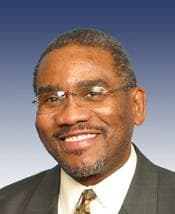
Gregory W. Meeks
Democratic Representative
New York
Cosponsors (32)
Jonathan L. Jackson (Democratic)Sylvia R. Garcia (Democratic)Gabe Amo (Democratic)Emanuel Cleaver (Democratic)Ilhan Omar (Democratic)James R. Walkinshaw (Democratic)Maxine Dexter (Democratic)Dina Titus (Democratic)Madeleine Dean (Democratic)Melanie A. Stansbury (Democratic)Sheila Cherfilus-McCormick (Democratic)Al Green (Democratic)Joseph D. Morelle (Democratic)Sara Jacobs (Democratic)Suhas Subramanyam (Democratic)Ami Bera (Democratic)Sydney Kamlager-Dove (Democratic)Pramila Jayapal (Democratic)Eleanor Holmes Norton (Democratic)Donald S. Beyer (Democratic)Janice D. Schakowsky (Democratic)James P. McGovern (Democratic)Summer L. Lee (Democratic)William R. Keating (Democratic)Johnny Olszewski (Democratic)Sarah McBride (Democratic)Seth Moulton (Democratic)Frank Pallone (Democratic)Grace Meng (Democratic)Valerie P. Foushee (Democratic)Bradley Scott Schneider (Democratic)Gerald E. Connolly (Democratic)
Foreign Affairs Committee, Financial Services Committee, Judiciary Committee, Oversight and Government Reform Committee
- Introduced
- In Committee
- On Floor
- Passed Chamber
- Enacted
The "U.S. Engagement in Sudanese Peace Act" aims to address the ongoing conflict in Sudan by establishing a robust framework for sanctions, diplomatic engagement, and humanitarian support. It outlines a U.S. policy to support an inclusive diplomatic process, ensure justice and accountability for human rights abuses, and facilitate unrestricted humanitarian aid delivery. Title I mandates the President to submit reports identifying foreign persons engaged in genocide, war crimes, crimes against humanity , blocking humanitarian aid, or violating the United Nations arms embargo on Darfur. Based on these reports, the President must impose a range of sanctions, which can include blocking property restricting access to U.S. financial institutions opposing international loans denying visas . Exceptions are provided for humanitarian assistance, national security, and international obligations, with a national interest waiver available. Title II requires the President to develop a comprehensive strategy for civilian protection, humanitarian assistance, and sustainable peace in Sudan. This strategy must include plans for diplomatic negotiations, multilateral actions, and support for grassroots organizations. The bill also extends the Special Envoy for Sudan position and directs the U.S. to advocate at the United Nations for humanitarian access, atrocity documentation, and civilian protection. Additionally, the legislation authorizes assistance for deploying and sustaining a United Nations, African Union, or multinational force to protect civilians and monitor ceasefires. It emphasizes empowering Sudanese women and youth in peacebuilding and governance efforts. The bill prohibits the sale of major defense equipment to countries supporting the Rapid Support Forces or Sudanese Armed Forces and requires reports on restrictions to U.S. humanitarian aid and the use of U.S.-origin weapons in Sudan.
Suggested Questions
Get AI-generated questions to help you understand this bill better
Timeline
Introduced in House
Referred to the Committee on Foreign Affairs, and in addition to the Committees on Financial Services, the Judiciary, and Oversight and Government Reform, for a period to be subsequently determined by the Speaker, in each case for consideration of such provisions as fall within the jurisdiction of the committee concerned.
International Affairs
U.S. Engagement in Sudanese Peace Act
USA119th CongressHR-1939| House
| Updated: 3/6/2025
The "U.S. Engagement in Sudanese Peace Act" aims to address the ongoing conflict in Sudan by establishing a robust framework for sanctions, diplomatic engagement, and humanitarian support. It outlines a U.S. policy to support an inclusive diplomatic process, ensure justice and accountability for human rights abuses, and facilitate unrestricted humanitarian aid delivery. Title I mandates the President to submit reports identifying foreign persons engaged in genocide, war crimes, crimes against humanity , blocking humanitarian aid, or violating the United Nations arms embargo on Darfur. Based on these reports, the President must impose a range of sanctions, which can include blocking property restricting access to U.S. financial institutions opposing international loans denying visas . Exceptions are provided for humanitarian assistance, national security, and international obligations, with a national interest waiver available. Title II requires the President to develop a comprehensive strategy for civilian protection, humanitarian assistance, and sustainable peace in Sudan. This strategy must include plans for diplomatic negotiations, multilateral actions, and support for grassroots organizations. The bill also extends the Special Envoy for Sudan position and directs the U.S. to advocate at the United Nations for humanitarian access, atrocity documentation, and civilian protection. Additionally, the legislation authorizes assistance for deploying and sustaining a United Nations, African Union, or multinational force to protect civilians and monitor ceasefires. It emphasizes empowering Sudanese women and youth in peacebuilding and governance efforts. The bill prohibits the sale of major defense equipment to countries supporting the Rapid Support Forces or Sudanese Armed Forces and requires reports on restrictions to U.S. humanitarian aid and the use of U.S.-origin weapons in Sudan.
Suggested Questions
Get AI-generated questions to help you understand this bill better
Timeline
Introduced in House
Referred to the Committee on Foreign Affairs, and in addition to the Committees on Financial Services, the Judiciary, and Oversight and Government Reform, for a period to be subsequently determined by the Speaker, in each case for consideration of such provisions as fall within the jurisdiction of the committee concerned.
Gregory W. Meeks
Democratic Representative
New York
Cosponsors (32)
Jonathan L. Jackson (Democratic)Sylvia R. Garcia (Democratic)Gabe Amo (Democratic)Emanuel Cleaver (Democratic)Ilhan Omar (Democratic)James R. Walkinshaw (Democratic)Maxine Dexter (Democratic)Dina Titus (Democratic)Madeleine Dean (Democratic)Melanie A. Stansbury (Democratic)Sheila Cherfilus-McCormick (Democratic)Al Green (Democratic)Joseph D. Morelle (Democratic)Sara Jacobs (Democratic)Suhas Subramanyam (Democratic)Ami Bera (Democratic)Sydney Kamlager-Dove (Democratic)Pramila Jayapal (Democratic)Eleanor Holmes Norton (Democratic)Donald S. Beyer (Democratic)Janice D. Schakowsky (Democratic)James P. McGovern (Democratic)Summer L. Lee (Democratic)William R. Keating (Democratic)Johnny Olszewski (Democratic)Sarah McBride (Democratic)Seth Moulton (Democratic)Frank Pallone (Democratic)Grace Meng (Democratic)Valerie P. Foushee (Democratic)Bradley Scott Schneider (Democratic)Gerald E. Connolly (Democratic)
Foreign Affairs Committee, Financial Services Committee, Judiciary Committee, Oversight and Government Reform Committee
International Affairs
- Introduced
- In Committee
- On Floor
- Passed Chamber
- Enacted