Congressional Trade Authority Act of 2025
USA119th CongressHR-1903| House
| Updated: 3/6/2025
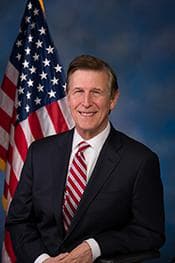
Donald S. Beyer
Democratic Representative
Virginia
Cosponsors (20)
Mikie Sherrill (Democratic)Robin L. Kelly (Democratic)Robert Garcia (Democratic)Jimmy Panetta (Democratic)Dina Titus (Democratic)Suzan K. DelBene (Democratic)Angie Craig (Democratic)Shri Thanedar (Democratic)Danny K. Davis (Democratic)Greg Stanton (Democratic)Henry C. "Hank" Johnson (Democratic)Ami Bera (Democratic)Mike Quigley (Democratic)Mike Thompson (Democratic)Jared Moskowitz (Democratic)Lizzie Fletcher (Democratic)Teresa Leger Fernandez (Democratic)George Whitesides (Democratic)Bradley Scott Schneider (Democratic)Judy Chu (Democratic)
Ways and Means Committee, Rules Committee
- Introduced
- In Committee
- On Floor
- Passed Chamber
- Enacted
The Congressional Trade Authority Act of 2025 aims to significantly amend Section 232 of the Trade Expansion Act of 1962. Its primary goal is to impose substantial limitations on the President's authority to adjust imports based on national security concerns, thereby rebalancing power between the executive and legislative branches regarding trade remedies. The bill narrows the scope of articles subject to such actions, defining a "covered article" as only those related to military equipment, energy resources, or critical infrastructure essential to national security . It also explicitly defines "national security" as protection from foreign aggression, excluding the general welfare. Furthermore, the primary responsibility for conducting Section 232 investigations is shifted from the Secretary of Commerce to the Secretary of Defense , with Commerce providing supporting import assessments. A critical provision mandates that any Presidential action to adjust imports, such as imposing tariffs or quotas, must receive Congressional approval through a joint resolution. This resolution must be enacted within 60 calendar days of the President submitting a proposal to Congress; otherwise, the proposed action will not take effect. This introduces a new layer of legislative oversight that was previously absent. To mitigate potential negative impacts, the bill establishes a new process for granting exclusions from these import adjustments, to be administered by the U.S. International Trade Commission (ITC) . The ITC must consider factors like domestic availability, economic harm, and impact on consumer prices when evaluating exclusion requests, and ensure approved exclusions are broadly available. Additionally, any Presidential action under this authority will automatically terminate after three years from its enactment date, unless Congress specifically renews it. The ITC is also tasked with reporting on the effects of these actions on relevant industries and the overall U.S. economy, and the Comptroller General will conduct annual audits of the exclusion process. The bill includes transition rules for actions taken prior to its enactment, requiring them to undergo a similar Congressional approval process within a specified timeframe or face termination, with duty rates reverting to previous levels.
Suggested Questions
Get AI-generated questions to help you understand this bill better
Timeline
Introduced in House
Referred to the Committee on Ways and Means, and in addition to the Committee on Rules, for a period to be subsequently determined by the Speaker, in each case for consideration of such provisions as fall within the jurisdiction of the committee concerned.
Foreign Trade and International Finance
Congressional Trade Authority Act of 2025
USA119th CongressHR-1903| House
| Updated: 3/6/2025
The Congressional Trade Authority Act of 2025 aims to significantly amend Section 232 of the Trade Expansion Act of 1962. Its primary goal is to impose substantial limitations on the President's authority to adjust imports based on national security concerns, thereby rebalancing power between the executive and legislative branches regarding trade remedies. The bill narrows the scope of articles subject to such actions, defining a "covered article" as only those related to military equipment, energy resources, or critical infrastructure essential to national security . It also explicitly defines "national security" as protection from foreign aggression, excluding the general welfare. Furthermore, the primary responsibility for conducting Section 232 investigations is shifted from the Secretary of Commerce to the Secretary of Defense , with Commerce providing supporting import assessments. A critical provision mandates that any Presidential action to adjust imports, such as imposing tariffs or quotas, must receive Congressional approval through a joint resolution. This resolution must be enacted within 60 calendar days of the President submitting a proposal to Congress; otherwise, the proposed action will not take effect. This introduces a new layer of legislative oversight that was previously absent. To mitigate potential negative impacts, the bill establishes a new process for granting exclusions from these import adjustments, to be administered by the U.S. International Trade Commission (ITC) . The ITC must consider factors like domestic availability, economic harm, and impact on consumer prices when evaluating exclusion requests, and ensure approved exclusions are broadly available. Additionally, any Presidential action under this authority will automatically terminate after three years from its enactment date, unless Congress specifically renews it. The ITC is also tasked with reporting on the effects of these actions on relevant industries and the overall U.S. economy, and the Comptroller General will conduct annual audits of the exclusion process. The bill includes transition rules for actions taken prior to its enactment, requiring them to undergo a similar Congressional approval process within a specified timeframe or face termination, with duty rates reverting to previous levels.
Suggested Questions
Get AI-generated questions to help you understand this bill better
Timeline
Introduced in House
Referred to the Committee on Ways and Means, and in addition to the Committee on Rules, for a period to be subsequently determined by the Speaker, in each case for consideration of such provisions as fall within the jurisdiction of the committee concerned.
Donald S. Beyer
Democratic Representative
Virginia
Cosponsors (20)
Mikie Sherrill (Democratic)Robin L. Kelly (Democratic)Robert Garcia (Democratic)Jimmy Panetta (Democratic)Dina Titus (Democratic)Suzan K. DelBene (Democratic)Angie Craig (Democratic)Shri Thanedar (Democratic)Danny K. Davis (Democratic)Greg Stanton (Democratic)Henry C. "Hank" Johnson (Democratic)Ami Bera (Democratic)Mike Quigley (Democratic)Mike Thompson (Democratic)Jared Moskowitz (Democratic)Lizzie Fletcher (Democratic)Teresa Leger Fernandez (Democratic)George Whitesides (Democratic)Bradley Scott Schneider (Democratic)Judy Chu (Democratic)
Ways and Means Committee, Rules Committee
Foreign Trade and International Finance
- Introduced
- In Committee
- On Floor
- Passed Chamber
- Enacted