Child Care Availability and Affordability Act
USA119th CongressHR-1827| House
| Updated: 3/4/2025
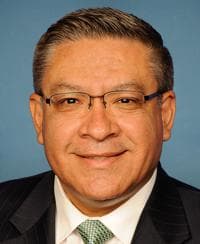
Salud O. Carbajal
Democratic Representative
California
Cosponsors (27)
Marie Gluesenkamp Perez (Democratic)Chrissy Houlahan (Democratic)Zachary Nunn (Republican)Greg Landsman (Democratic)Juan Vargas (Democratic)Eugene Simon Vindman (Democratic)Donald G. Davis (Democratic)Janelle S. Bynum (Democratic)Frank J. Mrvan (Democratic)Greg Stanton (Democratic)Don Bacon (Republican)Emilia Strong Sykes (Democratic)Suhas Subramanyam (Democratic)Josh Harder (Democratic)Sharice Davids (Democratic)Henry Cuellar (Democratic)Jim Costa (Democratic)Joe Neguse (Democratic)David G. Valadao (Republican)Maggie Goodlander (Democratic)Brian K. Fitzpatrick (Republican)Juan Ciscomani (Republican)Chuck Edwards (Republican)Josh Gottheimer (Democratic)Michael Lawler (Republican)Robert P. Bresnahan (Republican)George Whitesides (Democratic)
Ways and Means Committee
- Introduced
- In Committee
- On Floor
- Passed Chamber
- Enacted
The "Child Care Availability and Affordability Act" proposes substantial changes to federal tax credits and exclusions related to child and dependent care, aiming to make it more accessible and affordable for both employers and families. The bill significantly expands the employer-provided child care credit (Section 45F), increasing the percentage of qualified expenditures from 25 percent to 50 percent and raising the maximum credit from $150,000 to $500,000. For small businesses , these benefits are further enhanced, allowing a 60 percent expenditure credit up to $600,000, and jointly owned facilities are also made eligible. It also increases the amount excludable from gross income for dependent care assistance programs (Section 129), raising the maximum exclusion from $5,000 to $7,500 ($3,750 for married filing separately). These changes aim to provide greater tax relief for employees utilizing employer-sponsored care benefits. Crucially, the bill repeals the existing household and dependent care credit (Section 21) and establishes a new, refundable credit (Section 36C). This new credit allows individuals to claim 50 percent of employment-related expenses, which gradually phases down for higher-income taxpayers, with maximum creditable expenses set at $5,000 for one qualifying individual and $8,000 for two or more. By making this credit refundable, the bill ensures that low- and moderate-income families can benefit even if they have little or no tax liability, covering care for dependents under 13 or those physically/mentally incapable of self-care.
View Full TextSuggested Questions
Get AI-generated questions to help you understand this bill better
Timeline
Introduced in House
Referred to the House Committee on Ways and Means.
Taxation
Child Care Availability and Affordability Act
USA119th CongressHR-1827| House
| Updated: 3/4/2025
The "Child Care Availability and Affordability Act" proposes substantial changes to federal tax credits and exclusions related to child and dependent care, aiming to make it more accessible and affordable for both employers and families. The bill significantly expands the employer-provided child care credit (Section 45F), increasing the percentage of qualified expenditures from 25 percent to 50 percent and raising the maximum credit from $150,000 to $500,000. For small businesses , these benefits are further enhanced, allowing a 60 percent expenditure credit up to $600,000, and jointly owned facilities are also made eligible. It also increases the amount excludable from gross income for dependent care assistance programs (Section 129), raising the maximum exclusion from $5,000 to $7,500 ($3,750 for married filing separately). These changes aim to provide greater tax relief for employees utilizing employer-sponsored care benefits. Crucially, the bill repeals the existing household and dependent care credit (Section 21) and establishes a new, refundable credit (Section 36C). This new credit allows individuals to claim 50 percent of employment-related expenses, which gradually phases down for higher-income taxpayers, with maximum creditable expenses set at $5,000 for one qualifying individual and $8,000 for two or more. By making this credit refundable, the bill ensures that low- and moderate-income families can benefit even if they have little or no tax liability, covering care for dependents under 13 or those physically/mentally incapable of self-care.
View Full TextSuggested Questions
Get AI-generated questions to help you understand this bill better
Timeline
Introduced in House
Referred to the House Committee on Ways and Means.
Salud O. Carbajal
Democratic Representative
California
Cosponsors (27)
Marie Gluesenkamp Perez (Democratic)Chrissy Houlahan (Democratic)Zachary Nunn (Republican)Greg Landsman (Democratic)Juan Vargas (Democratic)Eugene Simon Vindman (Democratic)Donald G. Davis (Democratic)Janelle S. Bynum (Democratic)Frank J. Mrvan (Democratic)Greg Stanton (Democratic)Don Bacon (Republican)Emilia Strong Sykes (Democratic)Suhas Subramanyam (Democratic)Josh Harder (Democratic)Sharice Davids (Democratic)Henry Cuellar (Democratic)Jim Costa (Democratic)Joe Neguse (Democratic)David G. Valadao (Republican)Maggie Goodlander (Democratic)Brian K. Fitzpatrick (Republican)Juan Ciscomani (Republican)Chuck Edwards (Republican)Josh Gottheimer (Democratic)Michael Lawler (Republican)Robert P. Bresnahan (Republican)George Whitesides (Democratic)
Ways and Means Committee
Taxation
- Introduced
- In Committee
- On Floor
- Passed Chamber
- Enacted