FLASH Act
USA119th CongressHR-1820| House
| Updated: 3/11/2025
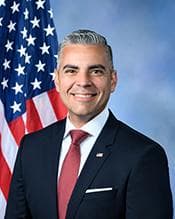
Juan Ciscomani
Republican Representative
Arizona
Cosponsors (23)
Paul A. Gosar (Republican)Elise M. Stefanik (Republican)Thomas P. Tiffany (Republican)Mike Collins (Republican)Claudia Tenney (Republican)David Rouzer (Republican)Earl L. "Buddy" Carter (Republican)J. French Hill (Republican)Gus M. Bilirakis (Republican)Don Bacon (Republican)Cliff Bentz (Republican)Bruce Westerman (Republican)Charles J. "Chuck" Fleischmann (Republican)Harriet M. Hageman (Republican)Mark E. Amodei (Republican)Pete Stauber (Republican)Dan Crenshaw (Republican)Chuck Edwards (Republican)Russ Fulcher (Republican)Michael Lawler (Republican)Jennifer A. Kiggans (Republican)Bryan Steil (Republican)Nicole Malliotakis (Republican)
Committees (6)
• Federal Lands Subcommittee• Homeland Security Committee• Agriculture Committee• Border Security and Enforcement Subcommittee• Budget Committee• Natural Resources Committee
- Introduced
- In Committee
- On Floor
- Passed Chamber
- Enacted
The Federal Lands Amplified Security for the Homeland Act, or FLASH Act, seeks to bolster border security and combat environmental damage across federal lands adjacent to the southern border. It defines "covered Federal lands" as those administered by agencies like the National Park Service or Bureau of Land Management that share an exterior boundary with the southern border, excluding tribal lands. The bill emphasizes the need for operational control of the southern border and addresses various public safety and environmental concerns. Title I focuses on securing federal border lands by requiring the construction of navigable roads, totaling at least 584 miles, within 10 miles of the southern border to enhance U.S. Customs and Border Protection (CBP) access and enforcement. It also grants CBP expanded authority to conduct activities within wilderness areas, including using motor vehicles, aircraft, and deploying tactical infrastructure for border security. Furthermore, Border States are permitted to place movable, temporary structures on covered federal lands for up to one year, with extensions possible, without requiring special use authorization. The bill prohibits the Secretaries of the Interior and Agriculture from impeding CBP activities within 100 miles of the southern border for search and rescue or preventing unlawful entries. It also mandates an interagency cooperative agreement between the Secretary concerned and the Secretary of Homeland Security to fulfill existing national security and counterterrorism commitments on border lands. These measures aim to streamline operations and improve coordination among federal agencies. Title II addresses ending environmental destruction on public lands , starting with policies to reduce trash accumulation and environmental degradation caused by aliens without lawful immigration status. This includes establishing protocols for preventing and mitigating trash, protecting sensitive natural and archaeological resources, and preserving wildlife habitats. The bill requires annual reports detailing waste collected, costs, impacted acreage, and suggestions for reduction, while also increasing penalties for fire and sanitation regulation violations by aliens without lawful immigration status. Subtitle B establishes "Trespass Cannabis Cultivation Site Response Initiatives" within the Departments of Agriculture and the Interior to detect, assess, and remediate contamination from illegal cannabis cultivation. These initiatives will address hazardous substances, improper pesticides, and refuse, with dedicated accounts funded by appropriations and recovered costs. The bill also significantly increases criminal penalties for illegal pesticide application and cannabis cultivation on federal lands, imposing fines up to $250,000 or imprisonment for up to 20 years. Subtitle C focuses on ending major border land environmental ruin from wildfires by establishing the "Southern Border Fuels Management Initiative." This program aims to reduce wildfire risk, improve border control, and enhance visibility for law enforcement through activities like hazardous fuels reduction, invasive species management, and installing fuel breaks. It also mandates policies and protocols to mitigate wildland fires and environmental degradation specifically caused by illegal immigration, requiring reports on incidents and necessary resources. Finally, Title III aims at protecting communities from the failure to secure the border by prohibiting the use of federal funds for housing specified aliens on lands managed by federal land management agencies. Specifically, it revokes and prohibits future leases for migrant housing at Floyd Bennett Field. The bill also requires annual reports from the Secretaries of the Interior and Agriculture on the number and countries of origin of specified aliens housed on federal lands, ensuring transparency and accountability regarding such activities.
View Full TextSuggested Questions
Get AI-generated questions to help you understand this bill better
Timeline
Introduced in House
Referred to the Subcommittee on Border Security and Enforcement.
Referred to the Committee on Natural Resources, and in addition to the Committees on Agriculture, the Budget, and Homeland Security, for a period to be subsequently determined by the Speaker, in each case for consideration of such provisions as fall within the jurisdiction of the committee concerned.
Referred to the Subcommittee on Federal Lands.
Subcommittee Hearings Held
Public Lands and Natural Resources
Border security and unlawful immigrationCivil actions and liabilityCongressional oversightData collection, sharing, protectionDepartment of the InteriorDrug trafficking and controlled substancesEnvironmental assessment, monitoring, researchFiresForests, forestry, treesHazardous wastes and toxic substancesHomelessness and emergency shelterIntergovernmental relationsLand use and conservationPest managementRoads and highwaysSecuritiesSolid waste and recyclingWilderness and natural areas, wildlife refuges, wild rivers, habitatsWildlife conservation and habitat protection
FLASH Act
USA119th CongressHR-1820| House
| Updated: 3/11/2025
The Federal Lands Amplified Security for the Homeland Act, or FLASH Act, seeks to bolster border security and combat environmental damage across federal lands adjacent to the southern border. It defines "covered Federal lands" as those administered by agencies like the National Park Service or Bureau of Land Management that share an exterior boundary with the southern border, excluding tribal lands. The bill emphasizes the need for operational control of the southern border and addresses various public safety and environmental concerns. Title I focuses on securing federal border lands by requiring the construction of navigable roads, totaling at least 584 miles, within 10 miles of the southern border to enhance U.S. Customs and Border Protection (CBP) access and enforcement. It also grants CBP expanded authority to conduct activities within wilderness areas, including using motor vehicles, aircraft, and deploying tactical infrastructure for border security. Furthermore, Border States are permitted to place movable, temporary structures on covered federal lands for up to one year, with extensions possible, without requiring special use authorization. The bill prohibits the Secretaries of the Interior and Agriculture from impeding CBP activities within 100 miles of the southern border for search and rescue or preventing unlawful entries. It also mandates an interagency cooperative agreement between the Secretary concerned and the Secretary of Homeland Security to fulfill existing national security and counterterrorism commitments on border lands. These measures aim to streamline operations and improve coordination among federal agencies. Title II addresses ending environmental destruction on public lands , starting with policies to reduce trash accumulation and environmental degradation caused by aliens without lawful immigration status. This includes establishing protocols for preventing and mitigating trash, protecting sensitive natural and archaeological resources, and preserving wildlife habitats. The bill requires annual reports detailing waste collected, costs, impacted acreage, and suggestions for reduction, while also increasing penalties for fire and sanitation regulation violations by aliens without lawful immigration status. Subtitle B establishes "Trespass Cannabis Cultivation Site Response Initiatives" within the Departments of Agriculture and the Interior to detect, assess, and remediate contamination from illegal cannabis cultivation. These initiatives will address hazardous substances, improper pesticides, and refuse, with dedicated accounts funded by appropriations and recovered costs. The bill also significantly increases criminal penalties for illegal pesticide application and cannabis cultivation on federal lands, imposing fines up to $250,000 or imprisonment for up to 20 years. Subtitle C focuses on ending major border land environmental ruin from wildfires by establishing the "Southern Border Fuels Management Initiative." This program aims to reduce wildfire risk, improve border control, and enhance visibility for law enforcement through activities like hazardous fuels reduction, invasive species management, and installing fuel breaks. It also mandates policies and protocols to mitigate wildland fires and environmental degradation specifically caused by illegal immigration, requiring reports on incidents and necessary resources. Finally, Title III aims at protecting communities from the failure to secure the border by prohibiting the use of federal funds for housing specified aliens on lands managed by federal land management agencies. Specifically, it revokes and prohibits future leases for migrant housing at Floyd Bennett Field. The bill also requires annual reports from the Secretaries of the Interior and Agriculture on the number and countries of origin of specified aliens housed on federal lands, ensuring transparency and accountability regarding such activities.
View Full TextSuggested Questions
Get AI-generated questions to help you understand this bill better
Timeline
Introduced in House
Referred to the Subcommittee on Border Security and Enforcement.
Referred to the Committee on Natural Resources, and in addition to the Committees on Agriculture, the Budget, and Homeland Security, for a period to be subsequently determined by the Speaker, in each case for consideration of such provisions as fall within the jurisdiction of the committee concerned.
Referred to the Subcommittee on Federal Lands.
Subcommittee Hearings Held
Juan Ciscomani
Republican Representative
Arizona
Cosponsors (23)
Paul A. Gosar (Republican)Elise M. Stefanik (Republican)Thomas P. Tiffany (Republican)Mike Collins (Republican)Claudia Tenney (Republican)David Rouzer (Republican)Earl L. "Buddy" Carter (Republican)J. French Hill (Republican)Gus M. Bilirakis (Republican)Don Bacon (Republican)Cliff Bentz (Republican)Bruce Westerman (Republican)Charles J. "Chuck" Fleischmann (Republican)Harriet M. Hageman (Republican)Mark E. Amodei (Republican)Pete Stauber (Republican)Dan Crenshaw (Republican)Chuck Edwards (Republican)Russ Fulcher (Republican)Michael Lawler (Republican)Jennifer A. Kiggans (Republican)Bryan Steil (Republican)Nicole Malliotakis (Republican)
Committees (6)
• Federal Lands Subcommittee• Homeland Security Committee• Agriculture Committee• Border Security and Enforcement Subcommittee• Budget Committee• Natural Resources Committee
Public Lands and Natural Resources
- Introduced
- In Committee
- On Floor
- Passed Chamber
- Enacted
Border security and unlawful immigrationCivil actions and liabilityCongressional oversightData collection, sharing, protectionDepartment of the InteriorDrug trafficking and controlled substancesEnvironmental assessment, monitoring, researchFiresForests, forestry, treesHazardous wastes and toxic substancesHomelessness and emergency shelterIntergovernmental relationsLand use and conservationPest managementRoads and highwaysSecuritiesSolid waste and recyclingWilderness and natural areas, wildlife refuges, wild rivers, habitatsWildlife conservation and habitat protection