I CAN Act
USA119th CongressHR-1317| House
| Updated: 2/13/2025
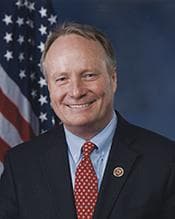
David P. Joyce
Republican Representative
Ohio
Cosponsors (36)
April McClain Delaney (Democratic)Adrian Smith (Republican)Becca Balint (Democratic)Chris Pappas (Democratic)Ashley Hinson (Republican)Gabe Vasquez (Democratic)Bill Foster (Democratic)Joe Courtney (Democratic)Glenn Thompson (Republican)Derek Schmidt (Republican)Eugene Simon Vindman (Democratic)Debbie Dingell (Democratic)Melanie A. Stansbury (Democratic)Shri Thanedar (Democratic)Jill N. Tokuda (Democratic)Mike D. Rogers (Republican)Jahana Hayes (Democratic)Brad Finstad (Republican)Glenn Grothman (Republican)Val T. Hoyle (Democratic)Joe Neguse (Democratic)Troy Downing (Republican)Maggie Goodlander (Democratic)Sarah McBride (Democratic)Yvette D. Clarke (Democratic)Derrick Van Orden (Republican)Bennie G. Thompson (Democratic)Suzanne Bonamici (Democratic)Josh Gottheimer (Democratic)Emily Randall (Democratic)Rashida Tlaib (Democratic)Bradley Scott Schneider (Democratic)Jack Bergman (Republican)Jennifer A. Kiggans (Republican)Lauren Underwood (Democratic)Chellie Pingree (Democratic)
Ways and Means Committee, Energy and Commerce Committee
- Introduced
- In Committee
- On Floor
- Passed Chamber
- Enacted
The "Improving Care and Access to Nurses Act," or I CAN Act, seeks to significantly enhance patient access to healthcare services by expanding the roles of advanced practice registered nurses (APRNs) within the Medicare and Medicaid programs. This legislation addresses specific barriers to practice for Nurse Practitioners (NPs) , Certified Registered Nurse Anesthetists (CRNAs) , and Certified Nurse-Midwives (CNMs) . Its overarching goal is to streamline care delivery and optimize the utilization of these highly skilled healthcare professionals. For Nurse Practitioners, the bill expands their authority to prescribe and certify for services such as cardiac and pulmonary rehabilitation programs, and to satisfy documentation requirements for diabetic shoes under Medicare. It also allows NPs to establish home infusion therapy plans and increases their involvement in hospice care services, including direct billing for certain services. Furthermore, the legislation streamlines care in skilled nursing facilities by authorizing NPs to oversee patient care and certify inpatient hospital services under both Medicare and Medicaid. The bill clarifies that Certified Registered Nurse Anesthetists can be reimbursed by Medicare for evaluation and management services, including pre-anesthesia care. It mandates revisions to regulations to authorize CRNAs to order, certify, and refer services to the extent permitted by state law. Crucially, the Act removes unnecessary physician supervision requirements for CRNAs and establishes CRNA services as a required benefit under Medicaid. Certified Nurse-Midwives will see improved access to training in maternity care, with Medicare payments for supervision by CNMs now explicitly covering services furnished by interns or residents under their oversight. The legislation also enhances Medicare patient access to home health services by allowing CNMs to certify these services. Additionally, it improves access to Durable Medical Equipment, Prosthetics, Orthotics, and Supplies (DMEPOS) for Medicare beneficiaries by including CNMs as authorized prescribers. Beyond specific APRN categories, the bill revises the Medicare local coverage determination process to prohibit contractors from imposing practitioner qualifications. It also extends locum tenens payment rules to CRNAs, NPs, clinical nurse specialists, and CNMs, allowing for temporary substitute coverage. Most provisions of the Act are set to apply 90 days after enactment, with the Secretary of Health and Human Services authorized to implement them through interim final rules or subregulatory guidance if necessary.
Suggested Questions
Get AI-generated questions to help you understand this bill better
Timeline
Introduced in House
Referred to the Committee on Energy and Commerce, and in addition to the Committee on Ways and Means, for a period to be subsequently determined by the Speaker, in each case for consideration of such provisions as fall within the jurisdiction of the committee concerned.
Health
AlaskaEmergency planning and evacuationFood assistance and reliefFood supply, safety, and labelingFruit and vegetablesGuamHawaiiNorthern Mariana IslandsNutrition and dietPoverty and welfare assistancePuerto RicoState and local government operations
I CAN Act
USA119th CongressHR-1317| House
| Updated: 2/13/2025
The "Improving Care and Access to Nurses Act," or I CAN Act, seeks to significantly enhance patient access to healthcare services by expanding the roles of advanced practice registered nurses (APRNs) within the Medicare and Medicaid programs. This legislation addresses specific barriers to practice for Nurse Practitioners (NPs) , Certified Registered Nurse Anesthetists (CRNAs) , and Certified Nurse-Midwives (CNMs) . Its overarching goal is to streamline care delivery and optimize the utilization of these highly skilled healthcare professionals. For Nurse Practitioners, the bill expands their authority to prescribe and certify for services such as cardiac and pulmonary rehabilitation programs, and to satisfy documentation requirements for diabetic shoes under Medicare. It also allows NPs to establish home infusion therapy plans and increases their involvement in hospice care services, including direct billing for certain services. Furthermore, the legislation streamlines care in skilled nursing facilities by authorizing NPs to oversee patient care and certify inpatient hospital services under both Medicare and Medicaid. The bill clarifies that Certified Registered Nurse Anesthetists can be reimbursed by Medicare for evaluation and management services, including pre-anesthesia care. It mandates revisions to regulations to authorize CRNAs to order, certify, and refer services to the extent permitted by state law. Crucially, the Act removes unnecessary physician supervision requirements for CRNAs and establishes CRNA services as a required benefit under Medicaid. Certified Nurse-Midwives will see improved access to training in maternity care, with Medicare payments for supervision by CNMs now explicitly covering services furnished by interns or residents under their oversight. The legislation also enhances Medicare patient access to home health services by allowing CNMs to certify these services. Additionally, it improves access to Durable Medical Equipment, Prosthetics, Orthotics, and Supplies (DMEPOS) for Medicare beneficiaries by including CNMs as authorized prescribers. Beyond specific APRN categories, the bill revises the Medicare local coverage determination process to prohibit contractors from imposing practitioner qualifications. It also extends locum tenens payment rules to CRNAs, NPs, clinical nurse specialists, and CNMs, allowing for temporary substitute coverage. Most provisions of the Act are set to apply 90 days after enactment, with the Secretary of Health and Human Services authorized to implement them through interim final rules or subregulatory guidance if necessary.
Suggested Questions
Get AI-generated questions to help you understand this bill better
Timeline
Introduced in House
Referred to the Committee on Energy and Commerce, and in addition to the Committee on Ways and Means, for a period to be subsequently determined by the Speaker, in each case for consideration of such provisions as fall within the jurisdiction of the committee concerned.
David P. Joyce
Republican Representative
Ohio
Cosponsors (36)
April McClain Delaney (Democratic)Adrian Smith (Republican)Becca Balint (Democratic)Chris Pappas (Democratic)Ashley Hinson (Republican)Gabe Vasquez (Democratic)Bill Foster (Democratic)Joe Courtney (Democratic)Glenn Thompson (Republican)Derek Schmidt (Republican)Eugene Simon Vindman (Democratic)Debbie Dingell (Democratic)Melanie A. Stansbury (Democratic)Shri Thanedar (Democratic)Jill N. Tokuda (Democratic)Mike D. Rogers (Republican)Jahana Hayes (Democratic)Brad Finstad (Republican)Glenn Grothman (Republican)Val T. Hoyle (Democratic)Joe Neguse (Democratic)Troy Downing (Republican)Maggie Goodlander (Democratic)Sarah McBride (Democratic)Yvette D. Clarke (Democratic)Derrick Van Orden (Republican)Bennie G. Thompson (Democratic)Suzanne Bonamici (Democratic)Josh Gottheimer (Democratic)Emily Randall (Democratic)Rashida Tlaib (Democratic)Bradley Scott Schneider (Democratic)Jack Bergman (Republican)Jennifer A. Kiggans (Republican)Lauren Underwood (Democratic)Chellie Pingree (Democratic)
Ways and Means Committee, Energy and Commerce Committee
Health
Related Bills
- Introduced
- In Committee
- On Floor
- Passed Chamber
- Enacted
AlaskaEmergency planning and evacuationFood assistance and reliefFood supply, safety, and labelingFruit and vegetablesGuamHawaiiNorthern Mariana IslandsNutrition and dietPoverty and welfare assistancePuerto RicoState and local government operations