PSA Screening for HIM Act
USA119th CongressHR-1300| House
| Updated: 2/13/2025
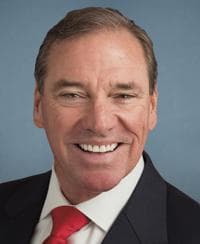
Neal P. Dunn
Republican Representative
Florida
Cosponsors (36)
April McClain Delaney (Democratic)Yassamin Ansari (Democratic)Chris Pappas (Democratic)Marc A. Veasey (Democratic)Mikie Sherrill (Democratic)Jennifer L. McClellan (Democratic)Gregory F. Murphy (Republican)Darren Soto (Democratic)Mike Ezell (Republican)David Scott (Democratic)Mike Carey (Republican)Troy A. Carter (Democratic)Eugene Simon Vindman (Democratic)Steve Cohen (Democratic)Scott H. Peters (Democratic)Donald G. Davis (Democratic)Frank J. Mrvan (Democratic)Ted Lieu (Democratic)Gus M. Bilirakis (Republican)Emilia Strong Sykes (Democratic)John Joyce (Republican)Alma S. Adams (Democratic)Betty McCollum (Democratic)Eleanor Holmes Norton (Democratic)Sharice Davids (Democratic)Josh Riley (Democratic)Yvette D. Clarke (Democratic)Bennie G. Thompson (Democratic)Max L. Miller (Republican)Susie Lee (Democratic)Rashida Tlaib (Democratic)Debbie Wasserman Schultz (Democratic)Gerald E. Connolly (Democratic)Troy Balderson (Republican)Chellie Pingree (Democratic)Judy Chu (Democratic)
Energy and Commerce Committee
- Introduced
- In Committee
- On Floor
- Passed Chamber
- Enacted
This bill, titled the "PSA Screening for HIM Act," seeks to enhance early detection of prostate cancer by requiring health plans to cover screenings without imposing cost-sharing. It amends Section 2713(a) of the Public Health Service Act, ensuring that both group health plans and individual health insurance issuers provide this essential coverage. The legislation specifically targets men aged 40 and over who are identified as being at high risk of developing prostate cancer. The bill explicitly defines "high risk" to include African-American men and men with a family history of prostate cancer . A family history is broadly defined to include first-degree relatives who were diagnosed with, developed, or died from prostate cancer, or who have associated cancers or genetic alterations. By eliminating cost-sharing, the bill aims to remove financial barriers to these crucial preventive services, with these provisions taking effect for plan years beginning on or after January 1, 2026 .
Suggested Questions
Get AI-generated questions to help you understand this bill better
Timeline
Introduced in House
Referred to the House Committee on Energy and Commerce.
Latest Companion Bill Action
S 119-297Committee on Health, Education, Labor, and Pensions. Hearings held.
Health
CancerHealth care costs and insuranceHealth promotion and preventive careMedical tests and diagnostic methodsMinority health
PSA Screening for HIM Act
USA119th CongressHR-1300| House
| Updated: 2/13/2025
This bill, titled the "PSA Screening for HIM Act," seeks to enhance early detection of prostate cancer by requiring health plans to cover screenings without imposing cost-sharing. It amends Section 2713(a) of the Public Health Service Act, ensuring that both group health plans and individual health insurance issuers provide this essential coverage. The legislation specifically targets men aged 40 and over who are identified as being at high risk of developing prostate cancer. The bill explicitly defines "high risk" to include African-American men and men with a family history of prostate cancer . A family history is broadly defined to include first-degree relatives who were diagnosed with, developed, or died from prostate cancer, or who have associated cancers or genetic alterations. By eliminating cost-sharing, the bill aims to remove financial barriers to these crucial preventive services, with these provisions taking effect for plan years beginning on or after January 1, 2026 .
Suggested Questions
Get AI-generated questions to help you understand this bill better
Timeline
Introduced in House
Referred to the House Committee on Energy and Commerce.
Latest Companion Bill Action
S 119-297Committee on Health, Education, Labor, and Pensions. Hearings held.
Neal P. Dunn
Republican Representative
Florida
Cosponsors (36)
April McClain Delaney (Democratic)Yassamin Ansari (Democratic)Chris Pappas (Democratic)Marc A. Veasey (Democratic)Mikie Sherrill (Democratic)Jennifer L. McClellan (Democratic)Gregory F. Murphy (Republican)Darren Soto (Democratic)Mike Ezell (Republican)David Scott (Democratic)Mike Carey (Republican)Troy A. Carter (Democratic)Eugene Simon Vindman (Democratic)Steve Cohen (Democratic)Scott H. Peters (Democratic)Donald G. Davis (Democratic)Frank J. Mrvan (Democratic)Ted Lieu (Democratic)Gus M. Bilirakis (Republican)Emilia Strong Sykes (Democratic)John Joyce (Republican)Alma S. Adams (Democratic)Betty McCollum (Democratic)Eleanor Holmes Norton (Democratic)Sharice Davids (Democratic)Josh Riley (Democratic)Yvette D. Clarke (Democratic)Bennie G. Thompson (Democratic)Max L. Miller (Republican)Susie Lee (Democratic)Rashida Tlaib (Democratic)Debbie Wasserman Schultz (Democratic)Gerald E. Connolly (Democratic)Troy Balderson (Republican)Chellie Pingree (Democratic)Judy Chu (Democratic)
Energy and Commerce Committee
Health
- Introduced
- In Committee
- On Floor
- Passed Chamber
- Enacted
CancerHealth care costs and insuranceHealth promotion and preventive careMedical tests and diagnostic methodsMinority health