Alternatives to PAIN Act
USA119th CongressHR-1227| House
| Updated: 2/12/2025
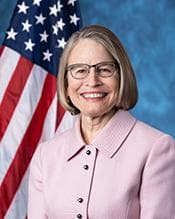
Mariannette Miller-Meeks
Republican Representative
Iowa
Cosponsors (110)
Sheri Biggs (Republican)Nikema Williams (Democratic)Becca Balint (Democratic)John Garamendi (Democratic)Sylvia R. Garcia (Democratic)Chris Pappas (Democratic)Tim Burchett (Republican)Gabe Amo (Democratic)Robin L. Kelly (Democratic)Ashley Hinson (Republican)Robert Garcia (Democratic)Mark Pocan (Democratic)Robert Menendez (Democratic)Steve Womack (Republican)Gabe Vasquez (Democratic)Emanuel Cleaver (Democratic)Neal P. Dunn (Republican)Mike Ezell (Republican)Glenn Thompson (Republican)Greg Landsman (Democratic)Mike Carey (Republican)Claudia Tenney (Republican)Terri A. Sewell (Democratic)Aaron Bean (Republican)Derek Schmidt (Republican)Eugene Simon Vindman (Democratic)Jimmy Panetta (Democratic)J. Luis Correa (Democratic)Madeleine Dean (Democratic)Steve Cohen (Democratic)Scott H. Peters (Democratic)Andrea Salinas (Democratic)Angie Craig (Democratic)Donald G. Davis (Democratic)Thomas R. Suozzi (Democratic)Earl L. "Buddy" Carter (Republican)Andrew R. Garbarino (Republican)Shri Thanedar (Democratic)Michael A. Rulli (Republican)Jake Auchincloss (Democratic)Ted Lieu (Democratic)Ro Khanna (Democratic)Greg Stanton (Democratic)Gus M. Bilirakis (Republican)H. Morgan Griffith (Republican)Sheila Cherfilus-McCormick (Democratic)Don Bacon (Republican)Nikki Budzinski (Democratic)John B. Larson (Democratic)Carol D. Miller (Republican)Mark DeSaulnier (Democratic)Jill N. Tokuda (Democratic)Joseph D. Morelle (Democratic)Mike Kelly (Republican)Richard Hudson (Republican)Suhas Subramanyam (Democratic)Kat Cammack (Republican)Morgan McGarvey (Democratic)John Joyce (Republican)James A. Himes (Democratic)Cliff Bentz (Republican)Adelita S. Grijalva (Democratic)Brittany Pettersen (Democratic)Brian J. Mast (Republican)Nicholas A. Langworthy (Republican)Troy E. Nehls (Republican)W. Gregory Steube (Republican)John H. Rutherford (Republican)Lucy McBath (Democratic)Charles J. "Chuck" Fleischmann (Republican)Eleanor Holmes Norton (Democratic)Austin Scott (Republican)August Pfluger (Republican)Pat Harrigan (Republican)Salud O. Carbajal (Democratic)Jamie Raskin (Democratic)Jim Costa (Democratic)James P. McGovern (Democratic)Julia Brownley (Democratic)William R. Keating (Democratic)Sarah McBride (Democratic)Yvette D. Clarke (Democratic)Derrick Van Orden (Republican)Brian K. Fitzpatrick (Republican)Lori Trahan (Democratic)Seth Moulton (Democratic)Mike Thompson (Democratic)John J. McGuire (Republican)Tom Barrett (Republican)Burgess Owens (Republican)Randy K. Sr. Weber (Republican)Ben Cline (Republican)Josh Gottheimer (Democratic)Emily Randall (Democratic)Zoe Lofgren (Democratic)Nanette Diaz Barragán (Democratic)Michael Lawler (Republican)Robert P. Bresnahan (Republican)Kevin Mullin (Democratic)George Whitesides (Democratic)Gwen Moore (Democratic)Tracey Mann (Republican)Ryan Mackenzie (Republican)Robert B. Aderholt (Republican)Troy Balderson (Republican)Jennifer A. Kiggans (Republican)Tim Moore (Republican)Cory Mills (Republican)Michael Guest (Republican)Nicole Malliotakis (Republican)
Ways and Means Committee, Energy and Commerce Committee
- Introduced
- In Committee
- On Floor
- Passed Chamber
- Enacted
The Alternatives to PAIN Act seeks to enhance access to qualifying non-opioid pain management drugs under the Medicare Part D program. For plan years beginning on or after January 1, 2026, the bill mandates that the deductible will not apply to these specific drugs, and they must be placed on the lowest cost-sharing tier available. Furthermore, the legislation prohibits prescription drug plans and MA-PD plans from imposing certain utilization management requirements. Specifically, plans cannot require step therapy where an opioid must be used first, nor can they require prior authorization for these non-opioid pain management drugs. A qualifying non-opioid pain management drug is defined as an FDA-approved drug or biological product for acute pain that does not act on opioid receptors, lacks a therapeutically equivalent generic, and meets certain wholesale acquisition cost criteria.
Suggested Questions
Get AI-generated questions to help you understand this bill better
Timeline
Introduced in House
Referred to the Committee on Energy and Commerce, and in addition to the Committee on Ways and Means, for a period to be subsequently determined by the Speaker, in each case for consideration of such provisions as fall within the jurisdiction of the committee concerned.
Health
Drug therapyHealth care costs and insuranceMedicarePrescription drugs
Alternatives to PAIN Act
USA119th CongressHR-1227| House
| Updated: 2/12/2025
The Alternatives to PAIN Act seeks to enhance access to qualifying non-opioid pain management drugs under the Medicare Part D program. For plan years beginning on or after January 1, 2026, the bill mandates that the deductible will not apply to these specific drugs, and they must be placed on the lowest cost-sharing tier available. Furthermore, the legislation prohibits prescription drug plans and MA-PD plans from imposing certain utilization management requirements. Specifically, plans cannot require step therapy where an opioid must be used first, nor can they require prior authorization for these non-opioid pain management drugs. A qualifying non-opioid pain management drug is defined as an FDA-approved drug or biological product for acute pain that does not act on opioid receptors, lacks a therapeutically equivalent generic, and meets certain wholesale acquisition cost criteria.
Suggested Questions
Get AI-generated questions to help you understand this bill better
Timeline
Introduced in House
Referred to the Committee on Energy and Commerce, and in addition to the Committee on Ways and Means, for a period to be subsequently determined by the Speaker, in each case for consideration of such provisions as fall within the jurisdiction of the committee concerned.
Mariannette Miller-Meeks
Republican Representative
Iowa
Cosponsors (110)
Sheri Biggs (Republican)Nikema Williams (Democratic)Becca Balint (Democratic)John Garamendi (Democratic)Sylvia R. Garcia (Democratic)Chris Pappas (Democratic)Tim Burchett (Republican)Gabe Amo (Democratic)Robin L. Kelly (Democratic)Ashley Hinson (Republican)Robert Garcia (Democratic)Mark Pocan (Democratic)Robert Menendez (Democratic)Steve Womack (Republican)Gabe Vasquez (Democratic)Emanuel Cleaver (Democratic)Neal P. Dunn (Republican)Mike Ezell (Republican)Glenn Thompson (Republican)Greg Landsman (Democratic)Mike Carey (Republican)Claudia Tenney (Republican)Terri A. Sewell (Democratic)Aaron Bean (Republican)Derek Schmidt (Republican)Eugene Simon Vindman (Democratic)Jimmy Panetta (Democratic)J. Luis Correa (Democratic)Madeleine Dean (Democratic)Steve Cohen (Democratic)Scott H. Peters (Democratic)Andrea Salinas (Democratic)Angie Craig (Democratic)Donald G. Davis (Democratic)Thomas R. Suozzi (Democratic)Earl L. "Buddy" Carter (Republican)Andrew R. Garbarino (Republican)Shri Thanedar (Democratic)Michael A. Rulli (Republican)Jake Auchincloss (Democratic)Ted Lieu (Democratic)Ro Khanna (Democratic)Greg Stanton (Democratic)Gus M. Bilirakis (Republican)H. Morgan Griffith (Republican)Sheila Cherfilus-McCormick (Democratic)Don Bacon (Republican)Nikki Budzinski (Democratic)John B. Larson (Democratic)Carol D. Miller (Republican)Mark DeSaulnier (Democratic)Jill N. Tokuda (Democratic)Joseph D. Morelle (Democratic)Mike Kelly (Republican)Richard Hudson (Republican)Suhas Subramanyam (Democratic)Kat Cammack (Republican)Morgan McGarvey (Democratic)John Joyce (Republican)James A. Himes (Democratic)Cliff Bentz (Republican)Adelita S. Grijalva (Democratic)Brittany Pettersen (Democratic)Brian J. Mast (Republican)Nicholas A. Langworthy (Republican)Troy E. Nehls (Republican)W. Gregory Steube (Republican)John H. Rutherford (Republican)Lucy McBath (Democratic)Charles J. "Chuck" Fleischmann (Republican)Eleanor Holmes Norton (Democratic)Austin Scott (Republican)August Pfluger (Republican)Pat Harrigan (Republican)Salud O. Carbajal (Democratic)Jamie Raskin (Democratic)Jim Costa (Democratic)James P. McGovern (Democratic)Julia Brownley (Democratic)William R. Keating (Democratic)Sarah McBride (Democratic)Yvette D. Clarke (Democratic)Derrick Van Orden (Republican)Brian K. Fitzpatrick (Republican)Lori Trahan (Democratic)Seth Moulton (Democratic)Mike Thompson (Democratic)John J. McGuire (Republican)Tom Barrett (Republican)Burgess Owens (Republican)Randy K. Sr. Weber (Republican)Ben Cline (Republican)Josh Gottheimer (Democratic)Emily Randall (Democratic)Zoe Lofgren (Democratic)Nanette Diaz Barragán (Democratic)Michael Lawler (Republican)Robert P. Bresnahan (Republican)Kevin Mullin (Democratic)George Whitesides (Democratic)Gwen Moore (Democratic)Tracey Mann (Republican)Ryan Mackenzie (Republican)Robert B. Aderholt (Republican)Troy Balderson (Republican)Jennifer A. Kiggans (Republican)Tim Moore (Republican)Cory Mills (Republican)Michael Guest (Republican)Nicole Malliotakis (Republican)
Ways and Means Committee, Energy and Commerce Committee
Health
Related Bills
- Introduced
- In Committee
- On Floor
- Passed Chamber
- Enacted
Drug therapyHealth care costs and insuranceMedicarePrescription drugs