SHIELD Act of 2025
USA119th CongressHR-1218| House
| Updated: 2/11/2025
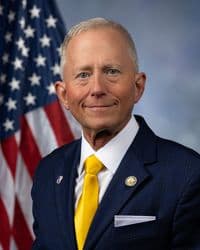
Jefferson Van Drew
Republican Representative
New Jersey
Cosponsors (14)
Stacey E. Plaskett (Democratic)Eugene Simon Vindman (Democratic)Debbie Dingell (Democratic)Madeleine Dean (Democratic)Nathaniel Moran (Republican)Maria Elvira Salazar (Republican)Henry C. "Hank" Johnson (Democratic)Nancy Mace (Republican)Troy E. Nehls (Republican)Lucy McBath (Democratic)Mary Gay Scanlon (Democratic)Brian K. Fitzpatrick (Republican)Kevin Kiley (Independent)Nicole Malliotakis (Republican)
Judiciary Committee
- Introduced
- In Committee
- On Floor
- Passed Chamber
- Enacted
The SHIELD Act of 2025 establishes new federal offenses to prohibit the nonconsensual distribution of private intimate visual depictions. It aims to protect individuals from the harmful exploitation of their private images by criminalizing the knowing distribution of such content without consent. The bill defines an intimate visual depiction as a recognizable adult engaged in sexually explicit conduct or with unclothed private areas. Specifically, it is unlawful to knowingly distribute an intimate visual depiction if it was obtained under circumstances of a reasonable expectation of privacy , was not voluntarily exposed in public, and is not a matter of public concern. This offense applies when the distribution is intended to cause or actually causes psychological, financial, or reputational harm to the depicted individual, with consent to creation not implying consent for distribution. The legislation also criminalizes the knowing distribution of a visual depiction of a nude minor with intent to abuse, humiliate, harass, degrade, or to arouse or gratify sexual desire. Violators face penalties including imprisonment for up to two years for adult intimate depictions and up to three years for nude minor depictions, along with fines and forfeiture of related property. Exceptions are provided for legitimate law enforcement activities, good faith reporting, or for medical, scientific, or educational purposes. Communications service providers are generally exempt unless they intentionally solicit or knowingly and predominantly distribute such content, and the Act includes provisions for extraterritorial jurisdiction and punishing threats.
Suggested Questions
Get AI-generated questions to help you understand this bill better
Timeline
Introduced in House
Referred to the House Committee on the Judiciary.
Crime and Law Enforcement
Civil actions and liabilityCrimes against childrenCriminal procedure and sentencingDomestic violence and child abuseInternet, web applications, social mediaPornographySex offensesTelephone and wireless communication
SHIELD Act of 2025
USA119th CongressHR-1218| House
| Updated: 2/11/2025
The SHIELD Act of 2025 establishes new federal offenses to prohibit the nonconsensual distribution of private intimate visual depictions. It aims to protect individuals from the harmful exploitation of their private images by criminalizing the knowing distribution of such content without consent. The bill defines an intimate visual depiction as a recognizable adult engaged in sexually explicit conduct or with unclothed private areas. Specifically, it is unlawful to knowingly distribute an intimate visual depiction if it was obtained under circumstances of a reasonable expectation of privacy , was not voluntarily exposed in public, and is not a matter of public concern. This offense applies when the distribution is intended to cause or actually causes psychological, financial, or reputational harm to the depicted individual, with consent to creation not implying consent for distribution. The legislation also criminalizes the knowing distribution of a visual depiction of a nude minor with intent to abuse, humiliate, harass, degrade, or to arouse or gratify sexual desire. Violators face penalties including imprisonment for up to two years for adult intimate depictions and up to three years for nude minor depictions, along with fines and forfeiture of related property. Exceptions are provided for legitimate law enforcement activities, good faith reporting, or for medical, scientific, or educational purposes. Communications service providers are generally exempt unless they intentionally solicit or knowingly and predominantly distribute such content, and the Act includes provisions for extraterritorial jurisdiction and punishing threats.
Suggested Questions
Get AI-generated questions to help you understand this bill better
Timeline
Introduced in House
Referred to the House Committee on the Judiciary.
Jefferson Van Drew
Republican Representative
New Jersey
Cosponsors (14)
Stacey E. Plaskett (Democratic)Eugene Simon Vindman (Democratic)Debbie Dingell (Democratic)Madeleine Dean (Democratic)Nathaniel Moran (Republican)Maria Elvira Salazar (Republican)Henry C. "Hank" Johnson (Democratic)Nancy Mace (Republican)Troy E. Nehls (Republican)Lucy McBath (Democratic)Mary Gay Scanlon (Democratic)Brian K. Fitzpatrick (Republican)Kevin Kiley (Independent)Nicole Malliotakis (Republican)
Judiciary Committee
Crime and Law Enforcement
Related Bills
- Introduced
- In Committee
- On Floor
- Passed Chamber
- Enacted
Civil actions and liabilityCrimes against childrenCriminal procedure and sentencingDomestic violence and child abuseInternet, web applications, social mediaPornographySex offensesTelephone and wireless communication